Why Law Firms Outsource E-Billing Services
Billing in law firms has grown a lot over the past decade. It is no longer a simple end-of-month administrative activity but a continuous, structured, and highly regulated process that directly affects cash flow, client satisfaction, and operational efficiency.
With the increasing adoption of legal e-billing systems in corporate legal environments, billing processes have become more detailed and rule-based. While these systems enhance transparency and financial control, they also introduce operational complexities that many law firms find challenging to manage internally.
As a result, a growing number of law firms have adopted the practice of outsourcing e-billing services to improve accuracy, ensure compliance, and reduce administrative workload.
What Is Legal e-Billing?
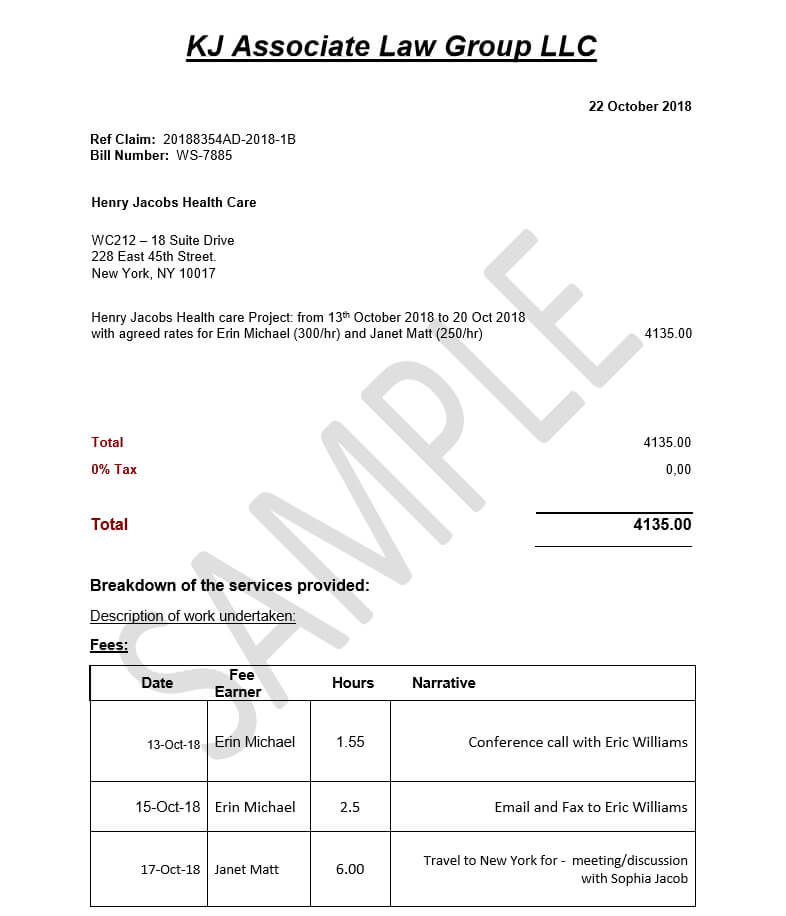
Legal e-billing refers to the electronic process of creating, submitting, tracking, and managing invoices through client-approved billing systems used by corporate legal departments.
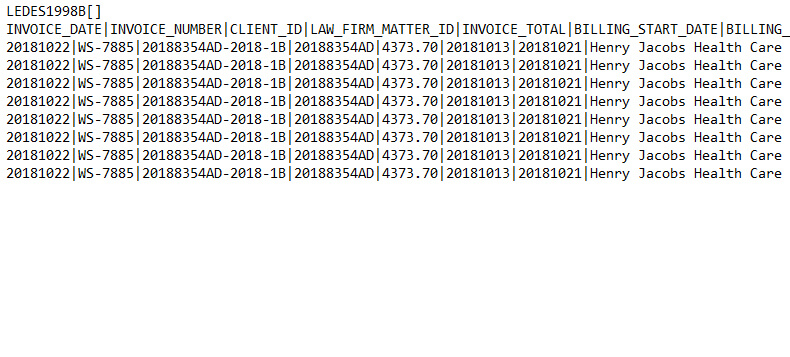
These systems are designed to support standardized financial reporting and efficient legal expense management. Most e-billing platforms require invoices to be submitted in structured formats such as Legal Electronic Data Exchange Standard (LEDES). Some common requirements include:
• Accurate recording of time entries for legal work
• Use of standardized billing and activity codes
• Detailed matter descriptions and case references
• Itemized breakdown of costs and expenses
• Compliance with client-specific billing guidelines
The main objective of e-billing systems is to ensure consistency, transparency, and audit readiness. However, differences in client platforms and billing rules require law firms to continuously adjust their processes.
What Are the Challenges of Managing e-Billing In-House?
Despite its benefits, internal management of e-billing presents several operational challenges for law firms.
Multiple Billing Systems and Client Requirements
A key challenge is the lack of standardization across corporate clients. Each client may use a different billing platform, format, and approval workflow.
Accordingly, law firms must:
• Operate across multiple billing systems
• Adapt to different platform requirements
• Apply varying billing codes and structures
• Manage multiple approval processes simultaneously
This results in a fragmented billing environment that requires significant administrative coordination.
Invoice Rejections Due to Errors
E-billing systems are highly sensitive to errors. Even minor inaccuracies, such as incorrect codes or incomplete descriptions, may result in invoice rejection.
In such cases, law firms are required to:
• Identify and correct errors
• Revise and resubmit invoices
• Await renewed client approval
These rejections can lead to delays in payment and increased administrative workload.
Administrative and Time Burden
E-billing requires ongoing administrative effort beyond invoice preparation. This includes:
• Monitoring invoice status across client portals
• Addressing rejection comments and corrections
• Maintaining billing records and documentation
• Ensuring compliance with varied client requirements
These tasks may reduce the time available for core legal functions.
Requirement for Specialized Knowledge
Effective e-billing management requires familiarity with:
• Client-specific billing guidelines
• LEDES formatting standards
• Timekeeping and coding systems
• Platform-specific compliance requirements
In the absence of specialized personnel, law firms may experience higher error rates and delays in billing cycles.
Outsourcing of e-Billing Services
To address these challenges, many law firms engage third-party providers for e-billing services. This approach is intended to improve accuracy, ensure compliance, and streamline administrative processes.
Improved Accuracy and Quality Control
E-billing service providers typically perform detailed invoice reviews prior to submission. This includes verification of billing codes and classifications, formatting and structural accuracy, compliance with client requirements, consistency in time and expense entries, etc. This process helps reduce errors and improve overall invoice quality.
Reduction in Invoice Rejections
Pre-submission validation reduces the likelihood of invoice rejection. Consequently, law firms benefit from fewer corrections and resubmissions, faster approval cycles, improved communication with clients, and greater consistency in billing operations.
Improved Cash Flow Management
Accurate and compliant invoices are generally processed more efficiently by client systems. This helps with faster payment cycles, reduced delays in revenue realization, improved financial predictability, enhanced cash flow stability, etc.
Reduced Administrative Burden
Outsourcing reduces the internal workload associated with e-billing. Law firms are no longer required to manage multiple billing systems or handle repeated corrections.
This allows internal teams to focus on core legal responsibilities, including case management and client service.
Compliance and Client Requirements
Service providers maintain updated knowledge of client billing rules and system requirements. This helps ensure consistent compliance and reduces the risk of disputes or rejections.
Access to Expertise and Structured Processes
E-billing providers typically operate with specialized systems and experienced personnel. Their exposure to multiple clients allows them to apply standardized practices and improve operational efficiency.
Conclusion
E-billing has become an essential component of modern legal practice, particularly in corporate legal environments. While it provides structure, transparency, and financial control, it also introduces operational complexity due to multiple systems and strict compliance requirements.
Outsourcing e-billing services provides a structured solution to these challenges. It enables law firms to improve accuracy, reduce administrative workload, improve compliance, and maintain more efficient billing processes. Consequently, outsourcing has become a widely adopted practice in legal billing management, supporting both operational efficiency and financial stability. If you would like to learn more, do not hesitate to get in touch with us now.

.png)