Why Law Firm Invoices Get Rejected by Corporate Clients
Law firm invoices are commonly rejected or reduced by corporate clients due to non-compliance with billing guidelines, unclear time entries, and data or formatting errors. Most invoices are reviewed through automated e-billing systems that enforce predefined rules. Any deviation from agreed terms is flagged, leading to rejections, write-downs, or delayed payments.
🔍Below are the primary reasons law firm invoices get rejected:
1. Failure to Adhere to Billing Guidelines
• Unauthorized Work or Rates: Billing for timekeepers, tasks, or expenses not approved by the client in advance.
• Violation of Rate Caps or Fee Arrangements: Charging above agreed hourly rates or not following alternative fee arrangements (AFAs).
• Non-billable Charges: Including administrative or overhead costs such as document handling, internal coordination, or clerical work.
2. Poor Time Entry Descriptions and Documentation
• Vague Narratives: Descriptions like “worked on matter” or “reviewed documents” without task-level detail.
• Lack of Justification: High hours billed without explaining complexity, urgency, or scope.
• Block Billing: Combining multiple activities into a single time entry, reducing visibility into individual tasks.
3. Incorrect or Missing Matter Information
• Invalid Matter IDs: Not matching the client’s matter management system.
• Incorrect Billing Entity or Details: Errors in client name, address, or billing structure.
• Missing Required Fields: Incomplete data required by e-billing platforms (codes, IDs, or classifications).
4. Disallowed or Unapproved Expenses
• Overhead Costs: Charging for printing, scanning, or administrative support.
• Unapproved Travel: Billing travel-related expenses without prior client authorization.
• Vendor Markups: Adding margins to third-party services such as experts or court reporters.
5. Staffing and Rate Violations
• Unauthorized Timekeepers: Billing from individuals not approved for the matter.
• Incorrect Rates: Applying rates different from those agreed with the client.
• Inefficient Staffing: Senior lawyers billing for tasks expected at junior levels.
6. Formatting and Submission Errors
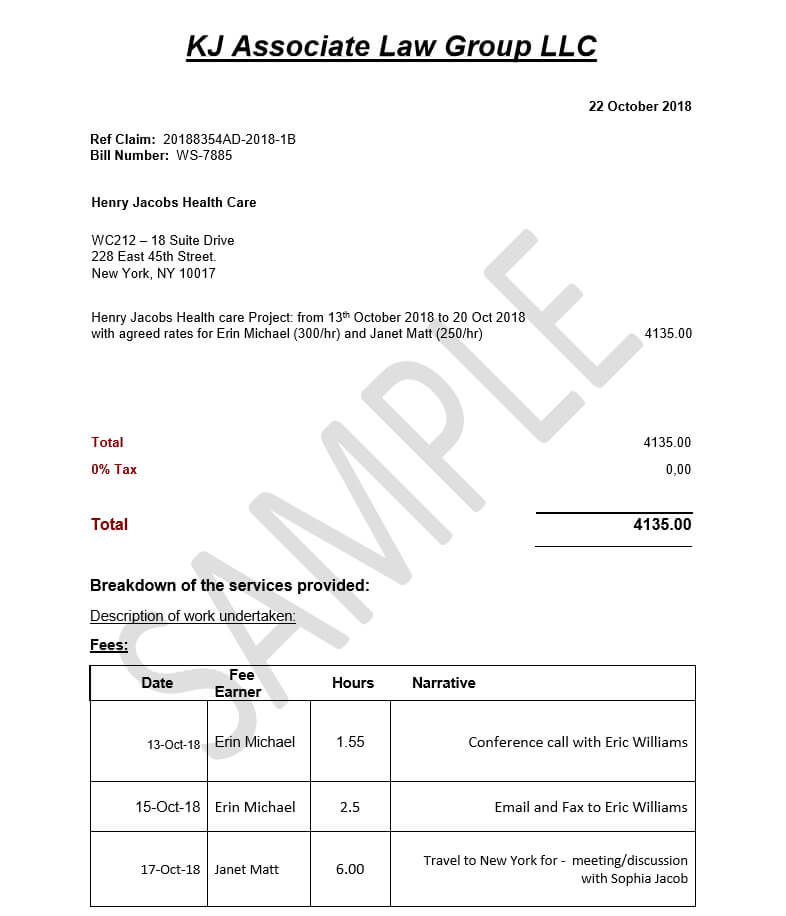
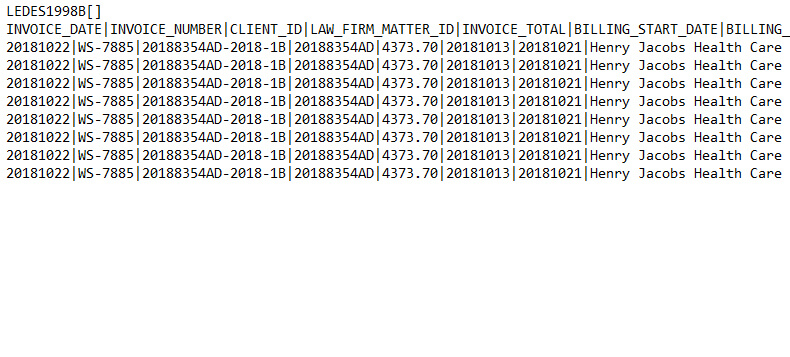
• Invalid File Format: Non-compliant LEDES or incorrect invoice structure.
• Duplicate Invoices: Reuse of invoice numbers or incorrect resubmissions.
• Missing Attachments: Required supporting documents not included.
7. Tax and Compliance Errors
• Incorrect Tax Calculation: Errors in GST, VAT, or other applicable taxes.
• Missing Tax Information: Incomplete or invalid tax IDs.
• Jurisdictional Issues: Not meeting local invoicing or regulatory requirements.
8. Lack of Pre-Bill Review
• No Internal Validation: Invoices submitted without checking against client rules.
• Uncaught Errors: Data, rate, or narrative issues not identified before submission.
9. System and Integration Issues
• Data Mismatch: Differences between timekeeping, billing, and client systems.
• Submission Failures: Errors during upload to e-billing platforms or API failures.
Reducing rejections requires enforcing billing rules at the time entry stage, validating structured data before submission, and implementing consistent pre-bill review workflows. If you want to further minimize errors, firms should also:
• Automate Compliance Checks: Use software tools to flag deviations from client billing guidelines before submission.
• Standardize Time Entries and Narratives: Ensure all entries are clear, task-specific, and include sufficient detail to justify the billed hours.
• Maintain Up-to-Date Matter and Rate Data: Synchronize internal systems with client records to prevent mismatches in matter IDs, billing rates, or tax information.
• Track and Analyze Rejection Patterns: Monitor past rejections to identify recurring issues and continuously improve billing processes.
By implementing these measures, law firms can significantly reduce invoice rejections, accelerate payment cycles, and maintain compliance with corporate clients’ requirements. If you would like to learn more, do not hesitate to connect with us now.

.png)