Why Are My Legal Invoices Rejected?
For many law firms, few things are more frustrating than submitting an invoice, waiting weeks for payment, and then learning that the invoice has been rejected or sent back for correction. The legal work may already be completed, yet payment is delayed because something in the invoice does not meet the client’s expectations.
This situation has become increasingly common as corporate legal departments adopt stricter billing controls and structured review processes. Invoices are no longer approved solely on trust. They are examined carefully to ensure they follow agreed billing guidelines and accurately reflect the work performed.
Companies that specialize in legal invoice analysis, such as Accurate Legal Billing, often note that many invoice rejections occur for predictable reasons. Once those reasons are understood, most of them can be avoided.
Why Do Corporate Legal Departments Review Invoices So Strictly?
Over the past decade, corporate legal spending has become more visible to executive leadership and finance teams. Legal departments are now expected to explain how their budgets are used and demonstrate that costs are reasonable.
Research from the Association of Corporate Counsel shows that outside counsel fees represent a significant portion of legal budgets for many companies. Because of this, organizations have introduced detailed billing guidelines and review procedures to maintain control over spending.
Invoices are therefore examined not only for accuracy but also for compliance with these guidelines. When something does not align with the rules, the invoice may be adjusted or returned to the law firm.
This review process is not necessarily meant to create friction. In many cases, it simply reflects a growing effort to bring structure and accountability to legal spending.
What Are the Most Common Reasons Legal Invoices Are Rejected?
Although every organization has its own billing policies, certain issues appear frequently across many legal departments.
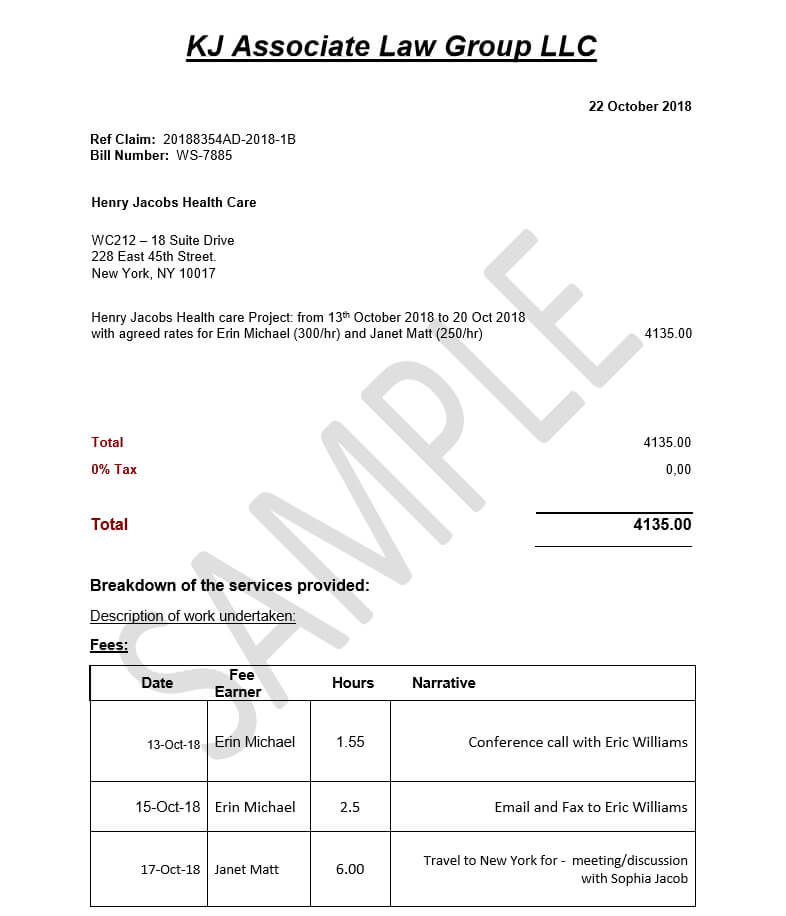
One common problem involves insufficient descriptions of work performed. When time entries are vague or overly brief, reviewers may struggle to understand the value of the work. Phrases such as “attention to matter” or “review documents” often raise questions because they provide little context.
Another frequent issue involves billing tasks that fall outside a client’s guidelines. Some companies do not allow administrative activities, internal meetings, or routine communications to be billed. If such charges appear on an invoice, they may trigger a rejection or adjustment.
Incorrect billing rates also cause delays. If the rate listed for a timekeeper does not match the rate agreed upon with the client, the invoice will usually need to be revised before approval.
These issues are rarely intentional. They often arise because billing expectations were misunderstood or overlooked.
How Do Billing Guidelines Affect Invoice Approval?
Billing guidelines are one of the most important factors influencing whether an invoice is approved. Many corporate clients provide detailed documents explaining how invoices should be prepared and what types of charges are acceptable.
These guidelines may include instructions regarding task descriptions, staffing expectations, expense policies, and hourly rates. Some organizations also require specific billing codes or structured formats when invoices are submitted.
When invoices fail to follow these requirements, the review process slows down. The legal department may request corrections or ask the firm to clarify certain entries before the invoice can move forward.
Law firms that review client guidelines carefully before submitting invoices often experience fewer delays and smoother payment processes.
How Does E-Billing Technology Influence Invoice Rejections?
Another factor contributing to invoice rejections is the increasing use of electronic billing systems. Many corporate legal departments now require firms to submit invoices through structured platforms rather than through email or traditional documents.
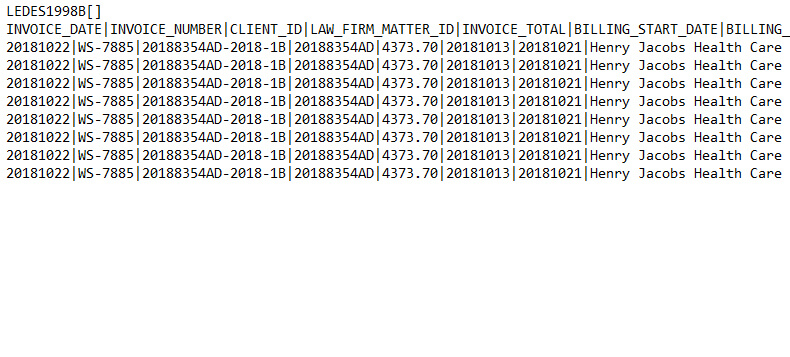
These systems automatically examine invoices for compliance with billing rules. If something does not match the client’s requirements, the system may flag the entry immediately or prevent the invoice from moving forward.
Industry research from a leading service provider indicates that legal departments are increasingly using technology and data analysis to monitor spending and operational performance. As these systems become more common, law firms must adapt their billing practices accordingly.
Understanding how these platforms work can significantly reduce the chances of rejection.
Why Do Vague or Block-Billed Entries Often Cause Problems?
Block billing occurs when several tasks are grouped into a single time entry rather than being listed separately. While this approach may save time when preparing invoices, it often creates difficulties for reviewers.
When multiple activities appear in one entry, it becomes hard to determine how much time was spent on each task. Clients may question whether certain activities should have been billed at all or whether the time recorded is reasonable.
Clear, detailed entries allow reviewers to understand the work performed and reduce the likelihood of follow-up questions. Many organizations therefore, encourage law firms to record tasks individually rather than combining them.
This small change can make a noticeable difference in how smoothly invoices are processed.
How Can Law Firms Reduce the Risk of Invoice Rejection?
Avoiding invoice rejection usually comes down to preparation and consistency.
First, firms should carefully review a client’s billing guidelines and ensure that everyone involved in timekeeping understands them. When expectations are clear from the beginning, fewer corrections are needed later.
Second, time entries should be descriptive enough to explain the work performed without becoming unnecessarily lengthy. Clear descriptions help reviewers understand the purpose and value of each activity.
Third, firms should confirm that billing rates, staffing arrangements, and expense policies match what has been agreed with the client. Small administrative details can easily delay payment if they are incorrect.
Finally, reviewing invoices internally before submission can prevent many avoidable issues. A brief internal check often saves considerable time later.
How Can Better Communication Prevent Billing Disputes?
Many billing issues arise not because rules are intentionally ignored but because expectations were never fully discussed.
Regular communication between legal departments and outside counsel can help prevent misunderstandings. When firms understand how invoices will be reviewed and what information clients expect to see, they can adjust their billing practices accordingly.
Open communication also helps resolve concerns more quickly. Instead of repeated invoice corrections, both sides can address questions early and maintain a smoother working relationship.
Over time, this cooperation leads to a more predictable and efficient billing process.
Final Thoughts
Invoice rejection is rarely about a single mistake. More often, it reflects a gap between how a law firm prepares invoices and how a client expects those invoices to be structured and reviewed.
As legal departments adopt clearer billing policies and structured review systems, understanding those expectations becomes increasingly important. Firms that align their billing practices with client guidelines tend to experience faster approvals, fewer disputes, and stronger professional relationships.
In short, accurate and transparent billing benefits both sides. Legal departments gain confidence in how their budgets are managed, and law firms receive timely payment for the work they perform. For more details, get in touch with us now.

.png)