What Should Legal Departments Look for in Legal Billing Software in 2026?
Legal departments today are expected to manage their work with the same level of financial discipline as any other business unit. Senior leadership wants visibility into legal spending, finance teams want predictable budgets, and general counsel must ensure that outside counsel invoices are accurate and justified. In response to these expectations, many organizations are adopting legal billing software to help them review invoices, enforce billing guidelines, and track legal costs more effectively.
However, selecting the right software is not simply a matter of choosing the newest or most advanced platform. Many tools appear impressive during demonstrations but fail to support the day-to-day realities of invoice review and legal operations. Organizations that specialize in legal billing services, such as Accurate Legal Billing, often observe that companies achieve meaningful results only when the software is aligned with practical needs rather than marketing claims.
Understanding what to look for in legal billing software therefore helps legal departments make a more informed and useful investment.
Why Has Legal Billing Software Become Important for Modern Legal Departments?
Over the past decade, corporate legal departments have experienced steady growth in both workload and spending. Legal matters have become more complex, regulatory requirements have expanded, and companies rely heavily on outside law firms to handle specialized work.
Benchmarking studies conducted by the Association of Corporate Counsel show that the median annual legal spend for many companies increased from roughly $2.4 million to about $3.1 million in recent years. This steady increase has encouraged organizations to pay closer attention to how invoices are reviewed and approved.
Another important observation from legal industry research is that outside counsel typically represents the largest share of legal spending, often accounting for the majority of external legal budgets. When such a significant portion of funds is directed toward law firms, even small inefficiencies in billing can lead to considerable financial impact.
Legal billing software helps address these challenges by providing structure to the billing process. Instead of relying solely on manual review or scattered spreadsheets, organizations can monitor invoices through a centralized system that supports consistency, transparency, and accountability.
What Problems Is Legal Billing Software Expected to Solve?
Before evaluating different vendors or technologies, legal departments should first consider the practical problems they are trying to solve. In most organizations, the difficulties associated with legal billing are surprisingly similar.
For example, many legal teams face situations where invoices arrive in different formats, billing descriptions are vague, or hourly rates do not match agreed-upon terms. Reviewing these invoices manually can take a great deal of time, and important details may be overlooked when the workload becomes heavy.
A well-designed legal billing system should therefore assist organizations in several important ways. It should make it easier to review invoices, identify billing errors, apply billing guidelines consistently, and understand how legal money is being spent across matters and firms.
When these functions are handled properly, legal departments gain greater confidence that invoices are accurate and aligned with agreed expectations.
How Should Legal Billing Software Improve the Invoice Review Process?
Invoice review remains the central purpose of any legal billing platform. Corporate legal departments receive invoices that may contain dozens or even hundreds of individual time entries. Each entry can involve different attorneys, hourly rates, task descriptions, and expenses.
Without proper tools, reviewing such invoices can be slow and inconsistent. Some issues may be missed simply because the reviewer does not have enough time to examine every detail carefully.
Effective legal billing software assists reviewers by organizing invoice data and highlighting entries that may require attention. For example, the system may identify situations where multiple tasks are grouped together in a single entry, where similar charges appear more than once, or where administrative work is billed at a higher rate than expected.
In recent years, many systems have introduced analytical tools or artificial intelligence to help identify patterns in billing data. These tools can analyze large volumes of information quickly and bring unusual entries to the reviewer’s attention. However, experienced professionals still play a crucial role in determining whether a charge is reasonable. Technology can highlight possibilities, but human judgment remains essential.
What Role Do Billing Guidelines Play in Legal Billing Software?
Most corporate legal departments provide outside counsel with written billing guidelines. These guidelines are intended to clarify how law firms should prepare invoices and what types of charges are acceptable.
For instance, guidelines may define approved hourly rates, explain whether administrative work can be billed, or require detailed task descriptions for each time entry. While these rules are meant to maintain consistency, they are not always followed carefully by every law firm.
Legal billing software helps ensure that these guidelines are applied consistently. The system can automatically compare invoice entries with the organization’s established rules. If a billing entry does not meet the guidelines, the software can alert the reviewer or request correction from the law firm.
This process reduces the likelihood that inappropriate charges will pass through unnoticed. It also creates a clearer and more transparent relationship between legal departments and outside counsel.
Why Is Standardization Important When Submitting Legal Invoices?
One challenge that many legal departments encounter is the lack of uniformity in invoices received from different law firms. Some invoices may be detailed and structured, while others may be less organized. This inconsistency makes it difficult to review billing data efficiently.
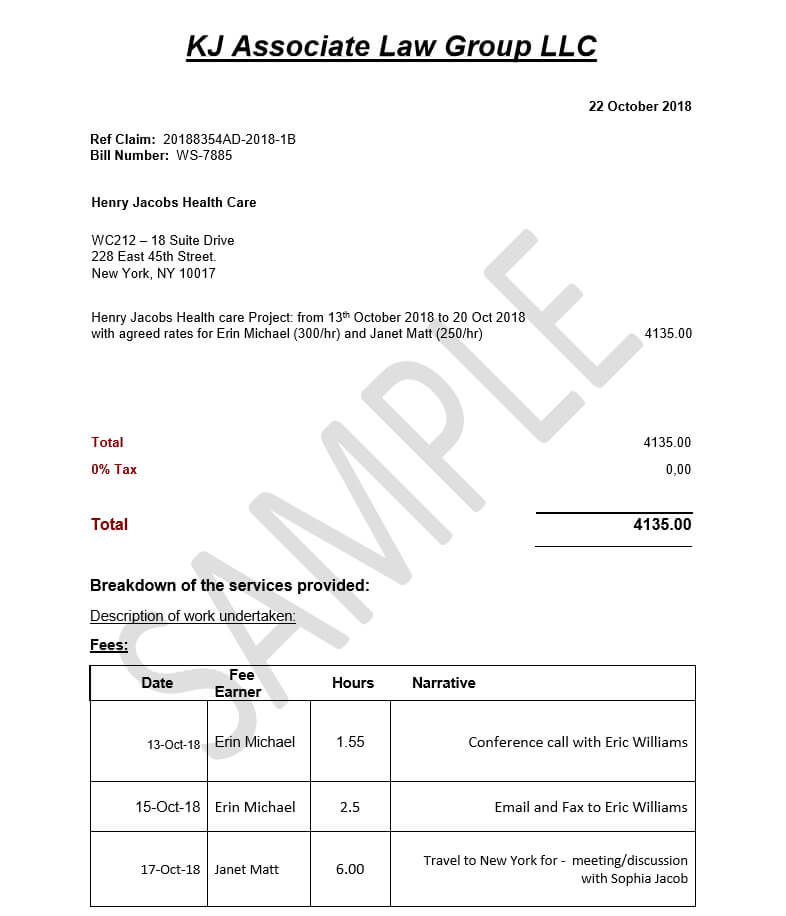
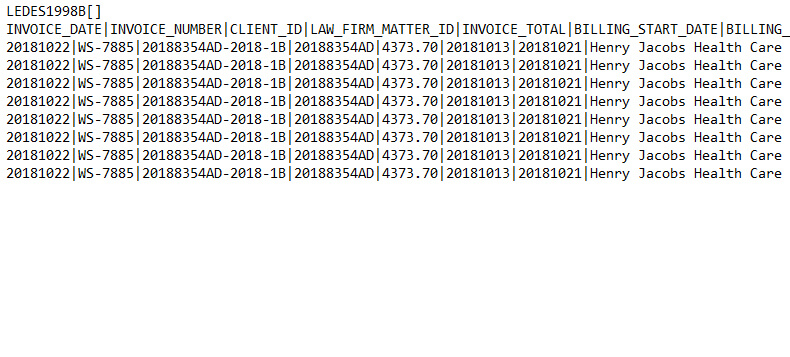
To address this issue, many organizations require invoices to be submitted in structured formats such as the LEDES standard. When invoices follow a consistent format, billing software can interpret the data accurately and apply automated checks more effectively.
Standardization also benefits law firms. When firms understand exactly how invoices should be submitted, they are less likely to face delays or rejections during the review process.
For large organizations working with numerous firms, standardized billing formats can significantly simplify the administrative workload associated with invoice processing.
How Does Reporting Help Legal Departments Manage Legal Spend?
Another important function of legal billing software is reporting. Modern legal departments are expected to provide clear explanations of how legal budgets are used. Senior management often asks questions about which matters are most expensive, which firms are used most frequently, and whether legal spending is increasing or decreasing.
Research has shown that a large majority of corporate legal departments now track legal spending by law firm as a core performance metric. This reflects a broader trend toward data-driven decision-making in legal operations.
With effective reporting tools, legal teams can quickly identify patterns in spending. They can observe whether certain matters are exceeding expectations, whether billing guideline violations are becoming more common, or whether alternative fee arrangements are delivering the expected value.
These insights allow legal leaders to make more informed strategic decisions and communicate clearly with the rest of the organization.
How Should Legal Billing Software Work With Other Legal Systems?
Legal departments increasingly rely on several different technology systems to manage their responsibilities. These may include matter management platforms, document management systems, contract management tools, and financial reporting systems.
If billing software operates independently from these systems, important information may become fragmented. Teams may need to manually transfer data between systems, which increases the possibility of errors and consumes additional time.
Integration allows billing data to connect with matter information, budgets, and internal reports. When systems communicate with one another effectively, legal departments gain a more complete understanding of their operations.
How Can Organizations Evaluate Legal Billing Software Providers?
Choosing a legal billing system requires more than simply reviewing product features. Legal departments should also consider the experience and reliability of the vendor providing the software.
Questions worth asking may include how long the provider has worked with corporate legal departments, whether the system can be customized to match internal processes, and what level of support is offered during implementation.
Implementation itself deserves careful attention. Even the most capable software requires proper setup, including the configuration of billing guidelines, integration with other systems, and training for users. Without this preparation, the benefits of the software may not be fully realized. If you a law firm looking for the best legal billing software or would like to know more on integration, implementation or migration, feel free to connect with us now.

.png)