What Is the Difference Between Time-Tracking Software and e-Billing Systems?
Have you ever wondered how law firms keep track of the hours they spend working for their clients and make sure they charge the correct amount of money for the services they provide? To manage these responsibilities, many law firms use time-tracking software and e-billing systems.
Although both tools help make the billing process easier and more organized, they perform different jobs. Time-tracking software helps lawyers and other legal workers record how much time they spend working on different tasks, while e-billing systems help law firms prepare invoices, check charges, manage approvals, and keep track of payments.
Understanding the main differences between these two systems can help law firms decide which tool is best for their needs and learn how each one can make the billing process more accurate, organized, and efficient.
What Is Time-Tracking Software?
Time-tracking software is a type of computer program that helps lawyers and other legal workers record the amount of time they spend completing work for their clients. For example, when a lawyer meets with a client, researches information about a case, prepares important documents, reviews evidence, or completes another work-related task, the software helps record the time spent on that activity. After the information has been recorded, it can be organized under the correct client or case, which makes it easier for the law firm to understand how much work was completed and how much money should be charged for those services.
In addition to recording working hours, time-tracking software includes several useful features that help legal workers organize their work and prepare accurate billing records. Some of its main features are:
• Recording Working Hours: Time-tracking software allows lawyers and other legal workers to record the time they spend completing different tasks. They can enter the hours manually or use a timer while they are working, which helps them keep a record of the time they spend on each activity instead of trying to remember everything later.
• Organizing Client Matters: The software helps organize recorded hours according to the correct client, case, or task. As a result, lawyers and billing staff can easily find the information they need and understand which activities were completed for each client.
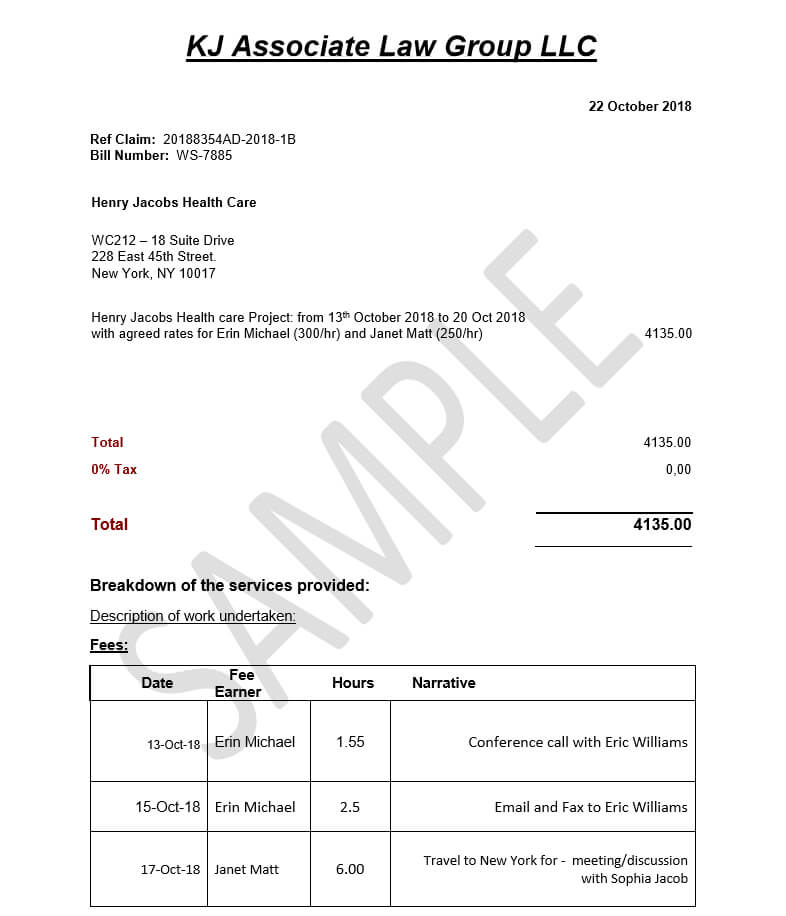
• Calculating Billable Hours: Billable hours are the hours that a law firm can charge a client for the work it has completed. Time-tracking software can use the recorded time and the lawyer's hourly rate to calculate the estimated cost of different tasks, helping the firm understand how much it should charge for its services.
• Preparing Timesheets: A timesheet is a record that shows how much time a person has spent working on different activities. Time-tracking software helps legal workers review their recorded hours, correct missing or incorrect information, and prepare their timesheets before the information is sent to the billing team.
As these features help lawyers record their work more accurately, time-tracking software can also help law firms avoid losing money when employees forget to record the time they have spent on a client's case.
Let’s take an example: if a lawyer spends two hours researching a case. Just imagine s/he forgets to record those hours. In this case, the law firm may not include that work when preparing the client's bill. According to the Legal Industry Report, 65% of the surveyed law firms used online time-tracking tools, while 78% of the firms that used these tools reported recording additional billable hours each week. These findings suggest that digital time-tracking tools can help law firms keep better records of their work and make sure they do not miss as many opportunities to charge for the services they provide.
What Is an e-Billing System?
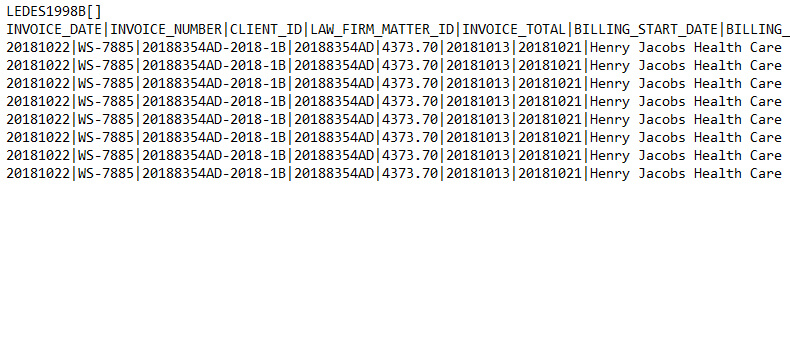
An e-billing system is a program or online platform that helps law firms and company legal departments prepare, send, review, and manage bills electronically. Instead of depending on paper invoices or exchanging many separate emails, users can manage much of the billing process through one digital system. These systems are especially helpful when a company works with several law firms or has specific rules about how much it will pay, which expenses it will accept, and what information must be included on an invoice.
While time-tracking software mainly focuses on recording the work that has been completed, an e-billing system focuses on managing the bills that are created for that work. To understand how this process works, it is helpful to look at some of the main features of e-billing systems.
• Submitting Electronic Invoices: An e-billing system allows law firms to send their invoices through an online platform instead of having to print paper bills or send separate emails. This makes it easier for the company receiving the invoice to find the bill, review its details, and keep a record of the payment process.
• Checking Billing Rules: Many companies have their own rules about how much they will pay for legal services and which types of expenses they will accept. An e-billing system can compare invoice charges with these rules, including agreed hourly rates and spending limits, so that charges that may break the rules can be identified before the invoice is approved.
• Reviewing Invoice Details: e-Billing systems can help find mistakes in invoices, such as duplicate charges, incorrect amounts, missing information, or other details that need to be checked. So, by identifying these problems early, the system helps billing teams review the invoice more carefully before the company agrees to pay it.
• Managing Approvals: Before some invoices can be paid, they must be checked and approved by the correct people. An e-billing system can send invoices to the people responsible for reviewing them and help everyone involved understand whether a bill is waiting for approval, has been approved, or still needs to be corrected.
• Tracking Legal Expenses: e-Billing systems can create reports that show how much money a company spends on legal services across different clients, cases, departments, and outside law firms. This information helps companies understand where their money is going and make better decisions about their legal spending.
Together, these features help law firms and companies manage invoices in a more organized way. Instead of checking every detail through separate documents and emails, billing teams can use an e-billing system to review charges, identify possible mistakes, follow the approval process, and keep clearer records of the money spent on legal services.
Key Differences Between Time-Tracking Software and E-Billing Systems
Although both tools help law firms manage billing information, time-tracking software focuses on recording the work that has been completed, while an e-billing system focuses on managing and checking the invoices created from that work. Below is a quick table that explains these differences:
| Time-Tracking Software |
e-Billing Systems |
| Records the number of hours lawyers spend working on client tasks. |
Manages invoices from the time they are submitted until they are approved and paid. |
| Organizes work records according to the correct client, case, or activity. |
Checks invoice charges against client rules, agreed rates, and spending limits. |
| Uses recorded hours and hourly rates to calculate the cost of legal work. |
Finds possible invoice mistakes and identifies charges that may need to be reviewed. |
| Helps lawyers and other staff prepare accurate timesheets and maintain work records. |
Helps billing teams manage invoice approvals, review charges, and track legal expenses. |
| Is mainly used by lawyers and other legal workers who need to record their working hours. |
Is mainly used by law firms, billing teams, and company legal departments that need to manage invoices. |
As the table shows, the two systems have different responsibilities, but they can also support each other during the billing process. Time-tracking software helps the law firm understand what work was completed and how much time it took, while an e-billing system helps the firm and its clients check the resulting charges and manage the payment process. Therefore, choosing between these tools depends on which part of the billing process needs the most improvement.
Can Law Firms Use Both Tools Together?
Yes, law firms can use time-tracking software and e-billing systems together to manage different stages of the billing process. In fact, using both tools can make it easier to move from recording the work completed for a client to preparing an invoice and receiving payment for that work.
First, lawyers and other legal workers use time-tracking software to record the hours they spend working on client cases and completing different tasks. The software organizes these records and helps calculate the charges based on the time recorded and the applicable hourly rates. After the work records have been checked, the information can be used to prepare an invoice for the client.
Next, the invoice can be submitted through an e-billing system, where the charges are checked against the client's billing rules and other requirements. If the system identifies a possible mistake, such as an incorrect charge or a missing detail, the billing team can review the problem and make the necessary corrections. Once the invoice has been checked and approved by the appropriate people, the payment process can continue.
When these two systems work together, law firms may spend less time entering the same information more than once and have an easier way to follow invoices as they move through the billing process. In addition, keeping work records and invoice information organized can help staff understand which bills have been submitted, which ones still need approval, and which payments have not yet been received.
Receiving payments on time is also important because law firms need money to pay their employees, cover office expenses, and continue providing services to their clients. The Legal Trends for Solo and Small Law Firms report found that law firms offering online payment options received payment in a median of six days, compared with 14 days for firms that did not offer this option. Although several factors can affect how quickly a client pays a bill, this finding shows that offering digital payment options may help law firms receive their money sooner and manage their finances more effectively.
Which System Does Your Law Firm Need?
Choosing the right system depends on the problems a law firm is trying to solve and the type of help its employees need during their daily work. Since time-tracking software and e-billing systems have different purposes, a law firm should first consider which part of its current billing process causes the most difficulty.
For example, if lawyers often forget to record the time they spend working on cases, or if employees have trouble keeping their timesheets complete and accurate, time-tracking software may be the better choice. By recording working hours more carefully and organizing them under the correct clients and cases, the software can help the firm maintain better work records and calculate charges more accurately.
On the other hand, if a law firm spends too much time checking invoices, correcting billing mistakes, waiting for approvals, or keeping track of unpaid bills, an e-billing system may be more useful. This type of system can help organize invoices, compare charges with billing rules, identify possible errors, and make it easier to follow each bill through the approval and payment process.
However, some law firms have more complicated billing needs and may benefit from using both systems instead of choosing only one. In these situations, time-tracking software helps record the work completed and calculate the related charges, while an e-billing system helps review those charges, manage invoices, and keep track of payments.
In conclusion, time-tracking software and e-billing systems serve different but connected purposes in a law firm's billing process. Time-tracking software helps make sure that the hours spent working on client matters are recorded properly, while e-billing systems help make sure that invoices are organized, checked, approved, and managed correctly. So, it can be said that by understanding these differences and choosing the tools that best match their needs, law firms can improve their billing process, keep more accurate records, reduce avoidable mistakes, and manage the money they receive from their clients more effectively.

.png)