What Are the Best Practices for Managing e-Billing Across Multiple Law Firms?
When a company works with different law firms, managing legal bills can quickly become difficult. Each law firm may use different billing formats, rates, descriptions, and invoicing processes. E-billing helps bring everything into a trackable, consistent process, making it easier to review, approve, and track legal spending.
Yes, it gives your organization a much more streamlined way to manage bills from different law firms. Here in this blog, we will discuss some key best practices for managing e-billing across different law firms.
● Set Clear Billing Rules from the Beginning
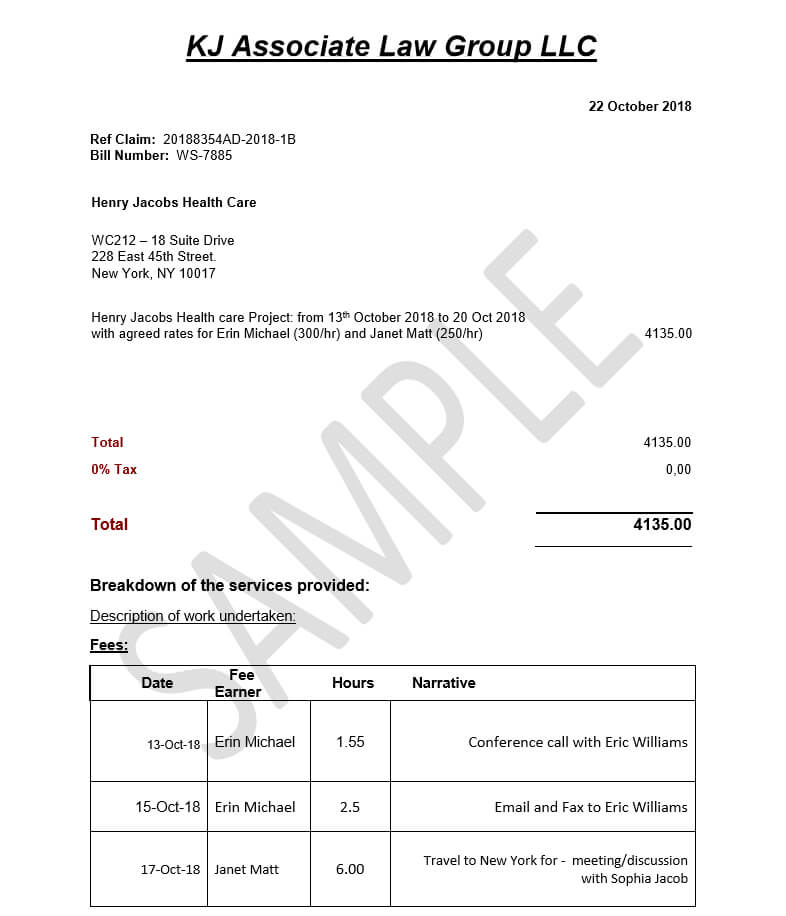
This is one of the most important practices. Always inform every law firm what information you expect on an invoice, such as time spent, work performed, expenses, matter number, and billing rates. This is very helpful and can avoid confusion later. It is better to make these requirements clear at the beginning rather than try to correct problems later.
When the rules are clear from the start, law firms know exactly what information they need to provide. This also makes the review process easier for the company.
● Use the Same Process for Every Law Firm
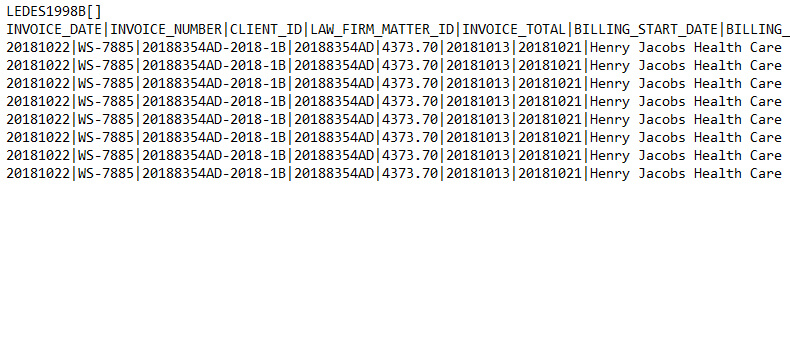
Try to have all firms submit their bills through the same e-billing system or in the same format. This makes the bills easier to compare, review, and manage. When every law firm follows the same basic process, it becomes easier to see differences in billing and identify possible mistakes. It also saves time because the legal and finance teams do not have to learn a different process for every firm.
● Make Sure Bills Go to the Right Matter
Every invoice should clearly identify the case, project, or legal matter it relates to. This helps prevent costs from being assigned to the wrong matter. At times, this may seem like a small detail, but it is important. If a bill is assigned to the wrong matter, it can create more work later when someone has to find the mistake and correct it.
● Check Bills Before Approving Them
Have a simple review process to catch things such as duplicate charges, incorrect rates, unnecessary expenses, or work that was not authorized. A quick review can help catch mistakes before the bill is paid. It is much easier to correct an issue when it is found early.
The legal bill review does not have to be complicated. The important thing is to have someone check the bill and make sure the charges are correct and in line with what was agreed.
● Agree on Rates and Billing Expectations Upfront
Before work gets started, make sure everyone understands the agreed hourly rates, fees, discounts, expense rules, and any special arrangements. There should be no confusion about what the company has agreed to pay.
Both the company and the law firm should have a clear understanding of the billing arrangements from the beginning. Having all these details in writing can also make things easier if questions come up later.
● Keep Approval Responsibilities Clear
Decide who reviews the bill, who approves it, and who handles questions with the law firm. A clear process prevents invoices from sitting unattended. Everyone involved should know what their responsibility is.
When responsibilities are clear, bills can move through the process without unnecessary delays. It is a simple step, but it can make a big difference in keeping the billing process moving.
● Track Spending Regularly
Do not wait until the end of the year to look at legal expenses. Review spending by law firm, matter, department, and type of work on a regular basis. Regular reviews give the company a better idea of where its legal spending is going. They can also help identify changes in spending before they become bigger issues.
For example, if the cost of a particular matter starts increasing, the company can look into the reason while the matter is still active.
● Use the Information to Identify Unusual Spending
If one firm's costs are significantly higher than expected, or a matter is suddenly becoming more expensive, investigate early rather than waiting until the bill has grown substantially. Sometimes there may be a good reason for the higher cost. At other times, there may be an error or a misunderstanding about the work being performed.
Looking into the issue early gives the company a chance to understand what is happening. A simple question at the right time can often prevent a larger problem later.
● Communicate with Law Firms When Something Is Unclear
e-Billing should not become just a system for rejecting invoices. If a bill has an issue, communicate with the firm so the same problem does not happen again. Good communication can help solve billing issues quickly. It also gives the law firm an opportunity to understand what needs to be changed.
The goal is not to create an argument over every invoice. The goal is to make sure both sides understand the billing requirements and follow them properly.
● Keep the Process Simple for Everyone
The goal is not to create more administrative work. A good e-billing process should make life easier for the legal team, finance team, and law firms. There is no need to make a simple process complicated. If the rules are easy to understand and the process is easy to follow, everyone is more likely to use it correctly. A good system should save time rather than add more work.
The above are some of the best practices for managing e-billing across different law firms. The main approach is to standardize, review, monitor, and communicate.
Every law firm should follow the same basic billing rules. Every invoice should be easy to understand. Questionable charges should be identified early, and legal spending should be visible across the organization. A well-managed e-billing process should be able to answer some simple questions like: what are we being charged for? Is the charge correct and in line with what we agreed? Which matter or case does it relate to? Are we spending more or less than expected? etc.
These are simple questions, but they are important. If a company can answer them easily, it has a much better understanding of its legal spending. A good e-billing process can also make communication between the company and its law firms easier. When everyone understands the rules and follows the same process, there is less confusion and fewer billing problems.
Conclusion
Managing e-billing across multiple law firms does not have to be difficult. The main thing is to keep the process simple and clear. Make sure all law firms follow the same basic billing rules, check the bills before approving them, and keep track of legal spending. It is also important to talk to the law firm when something is not clear. Small billing issues are easier to fix when they are noticed early.
Always remember, e-billing is about keeping things organized and knowing where the money is going. A simple and consistent process can save time, reduce mistakes, increase cash flow, and make legal billing easier and more convenient for everyone.
.png)