What Are the Best Collection Strategies for Law Firms?
Getting paid on time is one of the biggest challenges many law firms face. Even when legal work is completed successfully and invoices are sent promptly, payments do not always arrive when expected. Unpaid invoices can affect cash flow, create financial uncertainty, and force firms to spend valuable time chasing overdue accounts instead of focusing on clients.
Collections are often viewed as an uncomfortable part of running a law firm. Many attorneys worry that discussing payments too aggressively could damage client relationships. However, effective collections are not about pressuring clients. They are about creating clear expectations, maintaining consistent processes, and making it easier for clients to pay.
A strong collection strategy helps law firms reduce outstanding balances, improve cash flow, and maintain healthier client relationships. The goal is not simply to recover overdue payments but to prevent payment problems from occurring in the first place. Let’s take a look at some of the best collection strategies for law firms.
• Set Clear Payment Expectations from the Start
Many collection problems begin long before an invoice becomes overdue.
Clients should understand the firm's billing practices, payment terms, and fee structure before legal work starts. If payment expectations are unclear, misunderstandings are more likely to occur later.
A written engagement agreement should clearly explain billing schedules, payment deadlines, accepted payment methods, and any consequences of late payments. When clients know exactly what to expect, there is less room for confusion and disputes.
Clear communication at the beginning of the relationship often prevents collection issues later.
• Send Invoices Promptly
One of the simplest ways to improve collections is to invoice clients quickly.
The longer a firm waits to send an invoice, the longer it will wait to receive payment. Delayed invoices can also create questions because clients may not remember the details of work completed weeks or months earlier.
Sending invoices regularly helps keep legal costs fresh in the client's mind and encourages faster payment. It also demonstrates professionalism and consistency.
Many successful firms follow a fixed billing schedule so clients know when to expect invoices.
• Make Invoices Easy to Understand
Clients are more likely to pay invoices that are clear and detailed.
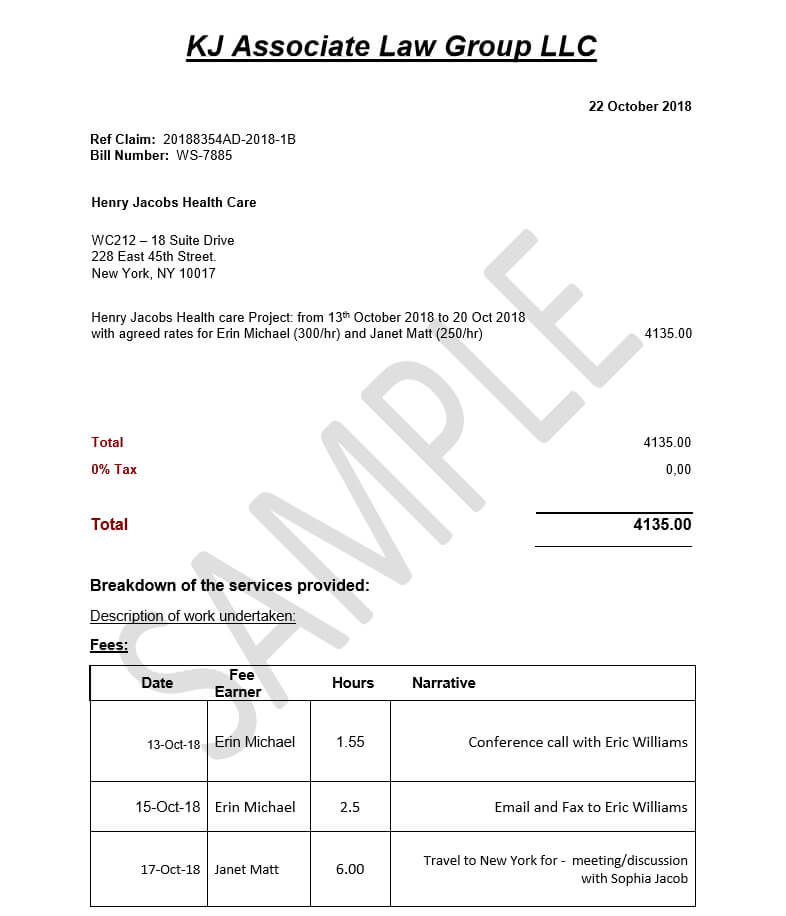
Vague descriptions such as "legal services rendered" or "case work performed" often create confusion. Clients want to understand what work was completed and why they are being charged.
Invoices should include specific descriptions of services, organized billing entries, and clear totals. The easier an invoice is to review, the less likely it is to generate questions or disputes.
Transparency often leads to faster payments.
• Offer Multiple Payment Options
Many payment delays occur simply because the payment process is inconvenient.
Clients increasingly expect modern payment options. Limiting payments to checks or bank transfers may create unnecessary barriers.
Law firms can improve collections by offering options such as credit cards, debit cards, online payment portals, electronic bank transfers, mobile payment solutions, etc. The easier it is for clients to pay, the more likely they are to do so promptly.
• Monitor Accounts Receivable Regularly
Outstanding invoices should never be ignored.
Many firms make the mistake of reviewing overdue accounts only when payment problems become serious. By then, collections become more difficult.
Regular monitoring allows firms to identify late payments early and take action before balances continue to grow.
Aging reports can help firms track unpaid invoices and categorize them based on how long they have remained outstanding. This provides a clear picture of collection performance and highlights accounts that need attention.
• Follow Up Early and Consistently
One of the most effective collection strategies is simple follow-up.
Many overdue invoices are not the result of disputes or financial difficulties. Sometimes clients simply forget to make a payment.
A polite reminder shortly before or after a payment due date can significantly improve collection rates. Consistent communication shows that the firm takes billing seriously while maintaining a professional relationship with the client.
Waiting too long to follow up often makes collections more difficult.
• Address Payment Issues Quickly
When a client raises concerns about an invoice, it is important to respond promptly.
Unanswered questions can delay payment for weeks or even months. Whether the issue involves billing descriptions, expenses, or legal fees, addressing concerns quickly helps prevent disputes from escalating.
Open communication can often resolve misunderstandings before they become larger collection problems.
The faster issues are resolved, the faster payment is likely to follow.
• Use Retainers Whenever Appropriate
Retainers remain one of the most effective tools for reducing collection risk.
By collecting funds upfront, law firms can secure payment before work begins. Retainers also help ensure that clients remain financially committed to the matter.
Many firms use retainers to cover future legal services, expenses, or ongoing work. This approach reduces the likelihood of large unpaid balances accumulating over time.
For certain practice areas, retainers can significantly improve cash flow and collection performance.
• Establish a Consistent Collection Process
Successful collections rarely happen by accident. Law firms should have a clear process for handling overdue accounts. Without a structured approach, collection efforts often become inconsistent and ineffective.
A collection process may include payment reminders, follow-up emails, phone calls, final notices, payment plan discussions, etc. Having a standard process ensures that overdue invoices receive attention and prevents accounts from slipping through the cracks.
• Consider Flexible Payment Arrangements
Some clients genuinely want to pay but may be experiencing temporary financial difficulties.
In these situations, flexible payment arrangements can help recover outstanding balances while preserving the client relationship.
Payment plans allow clients to spread costs over time rather than facing a large lump-sum payment. This approach is often more effective than allowing invoices to remain unpaid indefinitely.
Flexibility can improve collection outcomes while demonstrating professionalism and understanding.
• Use Technology to Support Collections
Modern billing and accounting systems offer tools that can simplify the collection process.
Many platforms provide new solutions like automated payment reminders, online payment portals, invoice tracking, payment status updates, accounts receivable reporting, etc.
These features reduce administrative work while helping firms stay on top of outstanding balances. Technology cannot eliminate collection challenges entirely, but it can make the process faster and more organized.
• Build Strong Client Relationships
Clients are generally more willing to pay firms they trust.
Strong communication, transparency, and responsiveness throughout the legal engagement can positively influence collection outcomes. When clients feel informed and valued, they are less likely to dispute invoices and more likely to prioritize payment.
Good client relationships cannot replace sound collection procedures, but they can make the process much smoother.
Trust often plays an important role in payment behavior.
Conclusion
Collections are an essential part of running a successful law firm. No matter how much legal work is completed, the firm cannot generate revenue until clients pay their invoices. Delayed or unpaid accounts can create cash flow challenges, increase administrative burdens, and reduce profitability.
The most effective collection strategies focus on prevention rather than recovery. Clear payment expectations, timely invoicing, transparent billing, regular follow-up, and convenient payment options all help reduce collection problems before they occur.
Law firms that approach collections with consistency and professionalism are generally better positioned to maintain healthy cash flow, reduce outstanding balances, and strengthen long-term client relationships. In this era of strong competition, having a strong and streamlined collection process is a key component of a well-managed and sustainable law practice.

.png)