Understanding the Key Challenges in Law Firm Billing and How to Overcome Them
Running a successful law firm is about much more than winning cases, drafting contracts, or providing legal advice. Behind every thriving legal practice is a strong financial foundation, and one of the biggest parts of that foundation is billing. While billing may not be the most exciting aspect of legal work, it plays a major role in determining how efficiently a firm operates, how satisfied clients feel, and ultimately how profitable the business becomes.
For many law firms, billing is often one of the most challenging administrative functions. Lawyers spend countless hours working on client matters, but if those hours are not tracked correctly, invoiced accurately, or collected on time, the firm can lose significant revenue. At the same time, clients today expect greater transparency, faster communication, and invoices that clearly explain what they are paying for. This combination of financial pressure and rising client expectations has made legal billing more complex than ever before.
The challenge becomes even greater as firms grow. What may work for a solo attorney or a small practice often becomes difficult to manage when there are multiple lawyers, support staff, clients, and ongoing cases. Billing errors, delayed invoices, unpaid accounts, and compliance concerns can quickly create financial and operational problems if they are not addressed properly.
The good news is that most billing challenges are not impossible to solve. With the right processes, technology, and management practices, law firms can improve billing accuracy, speed up payments, strengthen client relationships, and create a more efficient workflow.
Here, we will explore the most common challenges law firms face in their billing processes and discuss practical strategies that can help overcome them. Let’s dive in.
The Growing Importance of Efficient Law Firm Billing
In the past, legal billing was often viewed as a straightforward process. Lawyers tracked their hours, administrative staff prepared invoices, and clients paid the bills. However, the legal industry has changed significantly over the last few decades.
Today's clients are more informed, more cost-conscious, and more demanding than ever before. Corporate clients frequently impose strict billing requirements, while individual clients expect clear explanations and predictable legal costs. At the same time, law firms must remain competitive while managing rising operational expenses.
As a result, billing is no longer simply a back-office task. It has become a critical business function that directly impacts cash flow, profitability, client satisfaction, and long-term growth.
When billing works efficiently, firms enjoy smoother operations and healthier finances. When billing problems arise, they can affect nearly every aspect of the business.
Challenge 1: Inaccurate Time Tracking
One of the most common billing problems faced by law firms is inaccurate time tracking. Since many firms continue to bill clients based on hourly rates, every minute of legal work matters. However, lawyers are often extremely busy, moving from one task to another throughout the day. They may attend meetings, answer emails, conduct legal research, draft documents, negotiate agreements, and participate in court proceedings, all within a few hours.
In such a fast-paced environment, it is easy to forget to record time immediately. Many attorneys rely on memory at the end of the day or even at the end of the week to reconstruct their activities. Unfortunately, memory is rarely perfect.
Small omissions may seem insignificant, but over time they can result in substantial revenue loss. Missing just fifteen or twenty minutes per day may not appear serious initially, but when multiplied across multiple attorneys and hundreds of working days, the financial impact becomes considerable.
Inaccurate time tracking can also create problems from the client's perspective. If lawyers estimate time rather than recording it accurately, invoices may appear inconsistent or unreliable. Clients may question charges, leading to disputes and delays in payment.
The most effective solution is to encourage real-time timekeeping. Lawyers should record their work as soon as tasks are completed rather than relying on memory. Modern legal billing systems often include automated timers, mobile tracking features, and activity capture tools that make this process easier. Regular reviews of time entries can also help ensure that all billable work is properly documented before invoices are generated.
Challenge 2: Billing Errors and Invoice Mistakes
Even highly experienced law firms are not immune to billing mistakes. Errors can occur at various stages of the billing process, from time entry and rate calculation to invoice preparation and final review.
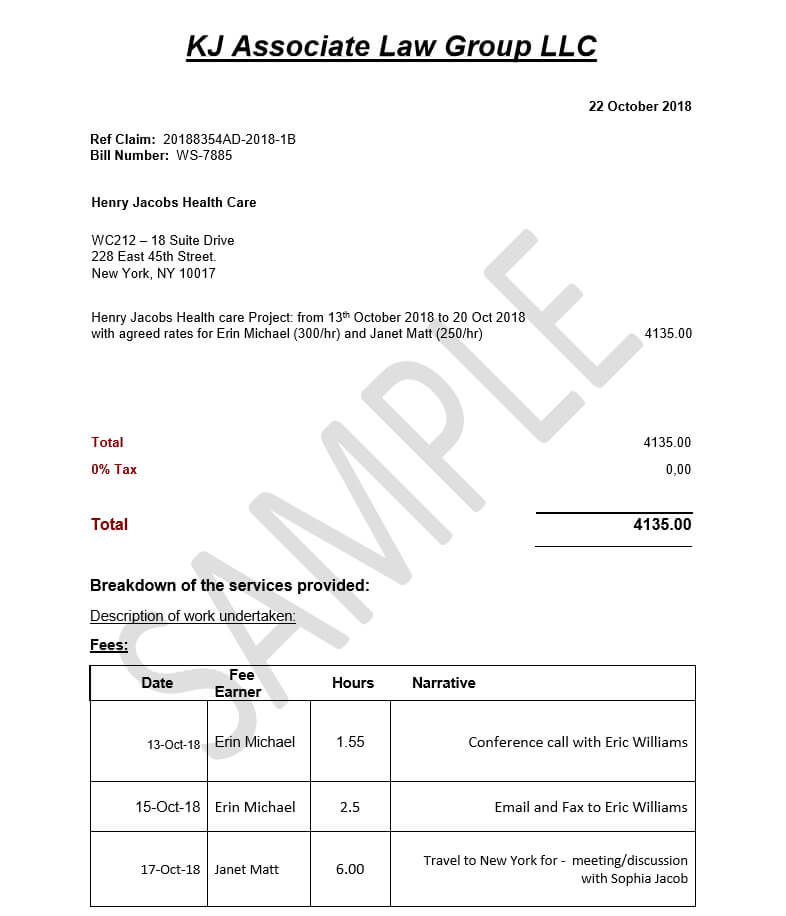
A simple mistake such as entering the wrong billing rate, duplicating a time entry, applying incorrect tax calculations, or assigning charges to the wrong matter can create confusion and frustration for clients. In some cases, errors may result in underbilling, causing the firm to lose revenue. In other situations, overbilling can damage trust and lead clients to question the firm's professionalism.
Billing mistakes are particularly harmful because they directly affect the firm's relationship with its clients. Clients expect accuracy when they receive legal invoices. Discovering obvious errors can make them wonder whether similar mistakes exist in the legal work itself.
To reduce billing errors, firms should establish a structured invoice review process. Every invoice should be carefully examined before being sent to clients. Automated billing software can also help minimize human errors by automatically applying rates, calculating totals, and validating billing data. Periodic audits of billing practices can further identify recurring issues and prevent future mistakes.
Challenge 3: Delayed Invoice Generation
Many law firms perform excellent legal work but struggle with sending invoices on time. Billing delays are surprisingly common throughout the legal industry.
Sometimes attorneys fail to submit their time records promptly. In other cases, administrative staff may be overwhelmed by manual billing tasks. Certain firms simply lack a standardized billing schedule, resulting in inconsistent invoicing practices.
While a delay of a few days may not seem significant, the effects can quickly accumulate. The longer a firm waits to send an invoice, the longer it must wait to receive payment. This directly affects cash flow and can create unnecessary financial strain.
Delayed billing can also affect client perception. When clients receive invoices months after legal work was completed, they may have difficulty remembering the details of the matter. This often leads to additional questions, disputes, or requests for clarification.
To overcome this challenge, firms should establish consistent billing cycles and clearly defined deadlines. Monthly billing schedules are common, although some firms invoice more frequently depending on the nature of their work. Automated invoice generation systems can further accelerate the process and ensure that clients receive bills promptly.
Challenge 4: Lack of Transparency in Billing
One of the leading causes of client dissatisfaction is unclear billing. Clients want to know exactly what services they received and how their legal fees were calculated.
Unfortunately, some invoices contain vague descriptions such as "case review," "legal services rendered," or "research conducted." While these entries may make sense internally, they often provide little value to clients who are trying to understand the work performed.
When invoices lack detail, clients may question the charges and hesitate to approve payment. In some cases, they may feel that the firm is intentionally being unclear, even when that is not the case.
Transparency plays a critical role in building trust. Detailed billing descriptions help clients understand the value they are receiving and reduce the likelihood of disputes.
Law firms should encourage attorneys to write clear and specific time entries. Rather than using generic phrases, they should describe the actual work completed. Regular communication about legal costs throughout the engagement can also prevent surprises and strengthen client confidence.
Challenge 5: Difficulty Collecting Payments
Getting paid is often one of the most frustrating aspects of law firm management. Even when invoices are accurate and delivered on time, some clients simply do not pay promptly.
Late payments can occur for many reasons. Clients may be experiencing financial difficulties, questioning certain charges, forgetting payment deadlines, or prioritizing other expenses. Regardless of the reason, unpaid invoices create cash flow challenges that can affect the firm's ability to operate efficiently.
Collection problems become particularly serious when they involve large balances or long payment delays. Firms may find themselves spending significant time following up with clients rather than focusing on legal work.
To improve collections, firms should establish clear payment terms from the beginning of the client relationship. Clients should understand payment expectations before legal work begins. Offering convenient payment options, including online payment portals and electronic transfers, can also encourage faster payments.
Automated reminder systems are especially effective because they reduce the administrative burden associated with manual follow-ups while keeping clients informed about outstanding balances.
Conclusion
Law firm billing may not receive the same attention as courtroom victories or major client engagements, but it remains one of the most important functions within any legal practice. Accurate billing supports financial stability, improves client satisfaction, strengthens compliance efforts, and creates the foundation for sustainable growth.
The challenges associated with billing are numerous. Inaccurate time tracking, invoice errors, payment delays, transparency concerns, compliance requirements, and inefficient processes can all create obstacles that affect profitability and client relationships. However, these challenges are not unavoidable.
By adopting better billing practices, investing in modern technology, maintaining clear communication with clients, and continuously reviewing internal processes, law firms can transform billing from a source of frustration into a strategic advantage. If you are a law firm looking for ways to overcome the challenges faced in law billing, we are here to help. Connect with us now.

.png)