Understanding Law Firm Billing Challenges and Solutions
Law firm billing is an essential part of legal practice management. It involves recording billable time, preparing invoices, tracking payments, and ensuring that clients are charged accurately for legal services. An effective billing process helps law firms maintain steady cash flow, improve client relationships, and support long-term business growth.
However, legal billing can be a complex task. Law firms often face challenges such as billing errors, delayed payments, compliance requirements, and administrative inefficiencies. Understanding these common challenges and the solutions available can help firms improve their billing operations and financial performance.
Common Law Firm Billing Challenges
Below are some of the common law firm billing challenges:
• Inaccurate Time Tracking
Accurate time tracking is the foundation of legal billing. Attorneys and legal staff often work on multiple cases and tasks throughout the day, making it difficult to record every billable activity. Missed or incorrect time entries can lead to lost revenue and inaccurate invoices.
• Delayed Billing
Many law firms experience delays in preparing and sending invoices. When billing is postponed, payments are often delayed as well. This can affect cash flow and make it harder for firms to manage their finances effectively.
• Billing Errors
Errors in invoices are a common challenge for law firms. Incorrect billing rates, duplicate charges, missing information, and inaccurate expense entries can result in client disputes and payment delays. Frequent billing mistakes may also affect client trust and satisfaction.
• Compliance With Client Billing Guidelines
Large corporations and insurance companies often require law firms to follow specific billing guidelines. These requirements may include approved billing codes, expense limits, and invoice formatting rules. Failure to meet these standards can result in rejected invoices or reduced payments.
• Slow Payment Collection
Collecting payments from clients can be time-consuming. Some clients may pay late, while others may question charges or request additional information before approving invoices. Unpaid invoices can create financial challenges for law firms if they are not managed properly.
• Lack of Billing Transparency
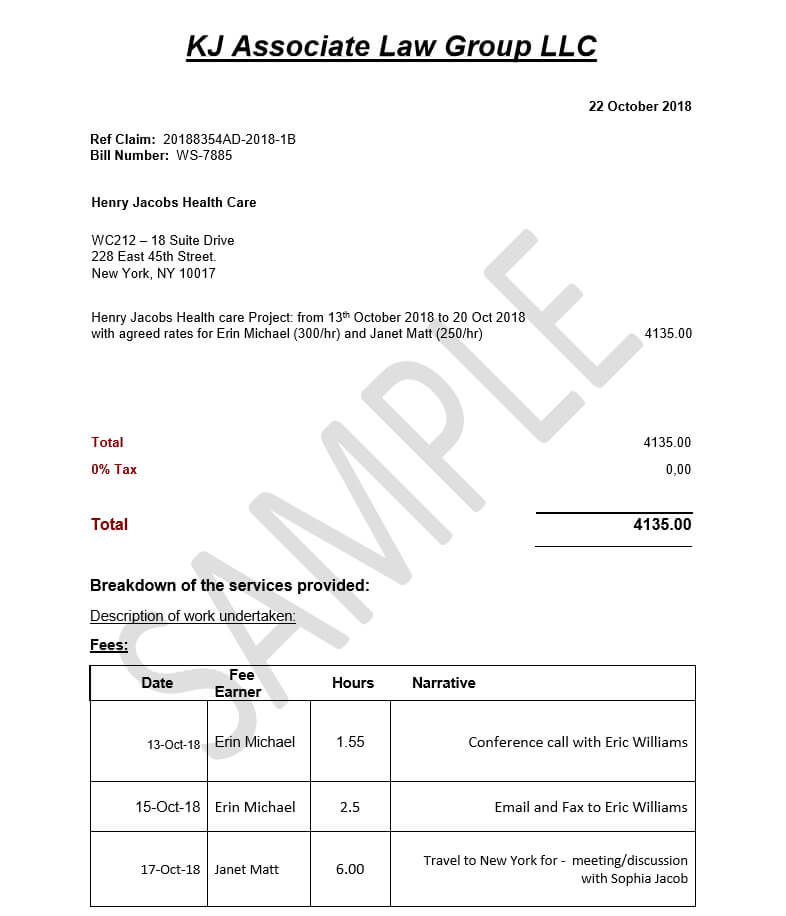
Clients expect invoices that clearly explain the work performed and the costs involved. Vague billing descriptions can cause confusion and lead to disputes. Transparent billing is important for maintaining strong client relationships.
• Managing Different Billing Arrangements
Many law firms use different fee structures depending on the client or case, such as hourly rates, flat fees, retainers, or contingency fees. Managing multiple billing arrangements can increase administrative complexity and make billing more difficult.
Solutions to Common Billing Challenges
While these are some challenges faced by law firms, there are also solutions that can help improve billing efficiency and accuracy. Some of them are:
• Use Legal Billing Software
Legal billing software can automate many billing tasks, including time tracking, invoice creation, payment tracking, and financial reporting. Automation reduces manual work and improves accuracy.
• Encourage Timely Time Entry
Attorneys and staff should record billable time as work is completed. Prompt time entry helps reduce errors and ensures that all billable work is captured correctly.
• Establish Standard Billing Procedures
Creating clear billing procedures improves consistency across the firm. Standard processes for time entry, invoice review, and expense reporting help reduce mistakes and improve efficiency.
• Implement LEDES and E-Billing Systems
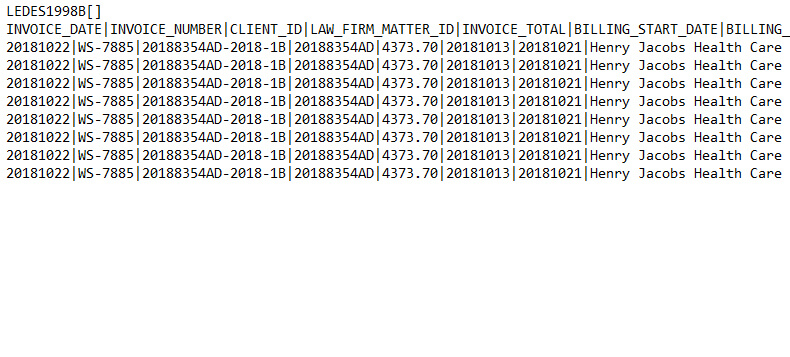
LEDES and electronic billing systems help law firms meet client billing requirements by using standardized invoice formats. These systems reduce invoice rejections and simplify billing for both firms and clients.
• Review Invoices Before Submission
A proper review process helps identify errors before invoices are sent to clients. Checking billing entries, rates, and expenses improves accuracy and reduces disputes.
• Improve Accounts Receivable Management
Regular follow-up on unpaid invoices helps improve payment collection. Many firms use reminders and structured follow-up processes to reduce outstanding balances and maintain healthy cash flow.
• Provide Clear Billing Descriptions
Detailed billing descriptions help clients understand the legal services provided. Clear explanations improve transparency and make invoices easier to review and approve.
• Consider Outsourcing Billing Services
Some law firms choose to outsource billing to specialized service providers. Outsourcing can improve accuracy, reduce administrative workload, and allow attorneys to focus more on legal work.
When law firms improve their billing processes, they often see several benefits, including faster invoice generation, improved cash flow, fewer billing errors, better compliance with client requirements, reduced administrative workload, stronger client relationships, higher revenue collection rates, greater operational efficiency, etc. These improvements contribute to the overall success and profitability of a law firm by improving accuracy, streamlining operations, and building a more efficient billing system that supports long-term growth and success.

.png)