Understanding Law Firm Billing and E-Billing Solutions in the U.S.
The legal industry in the United States operates within a highly regulated and detail-oriented environment, where financial accuracy and compliance are critical. Over time, law firm billing and e-billing processes have grown from manual, paper-based systems into a well-structured, technology-enabled workflows that support efficiency, transparency, and better financial control.
Today, billing has changed into a strategic component of law firm operations that directly impacts cash flow, client relationships, and overall profitability. So, law firms increasingly depend on a combination of tools, platforms, and specialized support services to manage billing effectively.
To better understand this concept, it is important to distinguish between the different components that make up modern legal billing systems.
What Is Law Firm Billing?
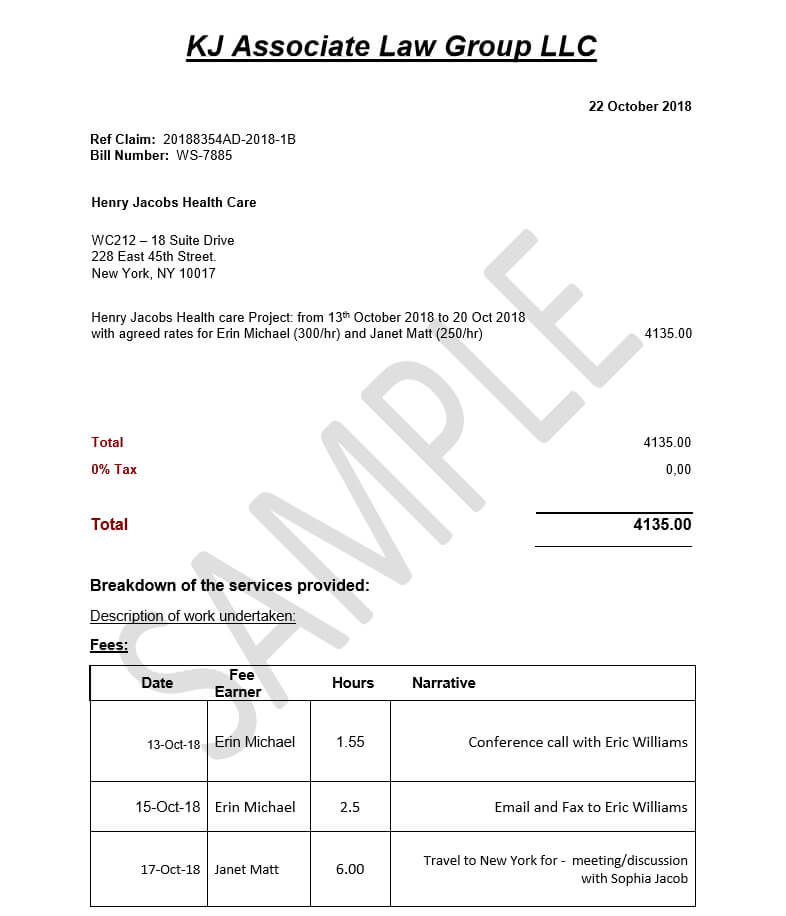
Law firm billing refers to the structured process through which legal professionals document their work, calculate fees, and generate invoices for clients. This process is often more complex than in other industries due to the nature of legal services and the expectations of clients.
Billing in law firms typically involves multiple pricing models, such as hourly billing, fixed or flat fees, contingency arrangements, and hybrid structures. Each of these models requires careful tracking and documentation to ensure accuracy and transparency.
Legal billing must also accommodate several important factors:
• Different billing rates for attorneys, paralegals, and support staff, often varying by experience or role
• Detailed timekeeping practices, including precise descriptions of work performed
• Client-specific billing guidelines that may restrict certain charges or require specific formats
• Regulatory requirements, including trust accounting rules and the segregation of client funds
Because of these complexities, billing systems must go beyond simple invoice generation. They are expected to support compliance, reduce errors, minimize disputes, and improve the chance of timely payment.
Key Features of Law Firm Billing Systems
Modern legal billing systems incorporate a wide range of functionalities designed to streamline operations and maintain accuracy. These typically include:
• Time tracking tools that allow professionals to capture billable hours in real time or through structured entries
• Expense and disbursement management to ensure all costs associated with legal work are properly recorded and billed
• Invoice generation capabilities with customizable formats tailored to client requirements
• Trust accounting features that help firms manage client funds in accordance with legal regulations
• Reporting and analytics tools that provide insights into billing performance, realization rates, and revenue trends
• Workflow automation that reduces manual effort and ensures consistency across billing processes
These features collectively enable firms to manage billing more efficiently while maintaining the level of detail required in legal practice.
What Is E-Billing?
E-billing, or electronic billing, refers to the process of submitting and processing invoices through digital platforms. Unlike traditional billing, where invoices are sent directly to clients, e-billing involves structured systems that facilitate standardized communication between law firms and their clients.
These platforms are commonly used by corporate legal departments, insurance companies, and large organizations that manage high volumes of legal invoices. They are designed to ensure that all submitted invoices comply with predefined billing rules and formatting standards.
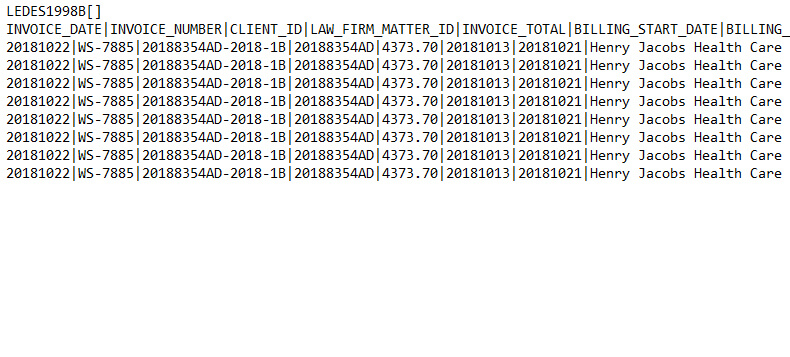
A key element of e-billing is the use of standardized data formats, which help maintain consistency and allow different systems to communicate effectively. This standardization reduces ambiguity and enables automated validation processes.
What Are the Key Features of E-Billing Platforms?
E-billing platforms are designed to enforce consistency, accuracy, and compliance throughout the invoice lifecycle. Their core features often include:
• Standardized formatting requirements to ensure uniformity across all submitted invoices
• Automated validation processes that check invoices against predefined billing rules before submission or approval
• Compliance checks that flag or reject entries that do not align with client guidelines
• Audit trails that record all actions taken on an invoice, supporting transparency and accountability
• Structured approval workflows that route invoices through multiple levels of review
• Integration capabilities with financial and legal management systems
• Real-time tracking that allows firms to monitor the status of submitted invoices
These platforms play a critical role in ensuring that billing practices align with client expectations and contractual requirements.
What are the Types of Law Firm Billing and E-Billing Solutions?
The legal billing ecosystem consists of multiple interconnected components, each serving a distinct purpose. Understanding these categories helps clarify how different solutions contribute to the overall billing process.
1. Billing Systems (Internal Law Firm Use)
Billing systems are primarily used within law firms to manage timekeeping, invoicing, and financial workflows. They serve as the foundation for capturing billable work and generating invoices.
These systems provide structure and organization but rely heavily on internal processes and user input. As a result, the accuracy and compliance of invoices depend on how effectively the system is used by the firm’s personnel.
2. E-Billing Platforms (Client-Side Systems)
E-billing platforms are typically managed by clients and are used to review, validate, and approve invoices submitted by law firms. These systems enforce strict billing guidelines and often include automated rules that determine whether an invoice meets required standards.
Invoices that do not comply with these rules may be rejected or require revision, which can delay payment and increase administrative workload. For this reason, understanding and adhering to platform-specific requirements is essential for efficient billing operations.
3. Billing and E-Billing Support Services
In addition to software systems, many law firms utilize specialized support services to manage billing-related tasks. These services focus on the operational and compliance aspects of billing rather than providing standalone software platforms.
Such services may include:
• Reviewing time entries to ensure clarity, accuracy, and compliance with client expectations
• Preparing invoices in standardized formats required for electronic submission
• Applying client-specific billing rules before submission to reduce the likelihood of rejection
• Managing the submission process on e-billing platforms
• Addressing rejected invoices and coordinating resubmissions
In some cases, these services are supported by internal tools or advanced technologies that assist in identifying potential errors or compliance issues before invoices are finalized. This combination of human expertise and technological support helps improve billing accuracy and efficiency.
Role of Payment Processing in Legal Billing
Payment processing is another important component of the billing ecosystem. While distinct from billing itself, it plays a crucial role in completing the financial cycle.
Payment solutions are designed to facilitate secure transactions while ensuring compliance with legal and regulatory requirements, particularly those related to trust accounting. These systems often integrate with billing workflows to provide a seamless transition from invoicing to payment collection.
Conclusion
Law firm billing and e-billing in the United States involve a complex interplay of systems, processes, and compliance requirements. Rather than relying on a single solution, most firms operate within an ecosystem that includes internal billing systems, client-side e-billing platforms, and specialized support services.
Each component serves a unique function: billing systems enable invoice creation, e-billing platforms enforce compliance, and support services help ensure accuracy and efficiency throughout the process.
For law firms, developing a clear understanding of these elements is essential for optimizing billing operations, reducing administrative challenges, and maintaining strong client relationships. As the legal industry continues to invite more changes, the integration of technology and process expertise will remain central to effective billing practices.

.png)