Understanding E-Billing Platforms and E-Billing Services for Law Firms
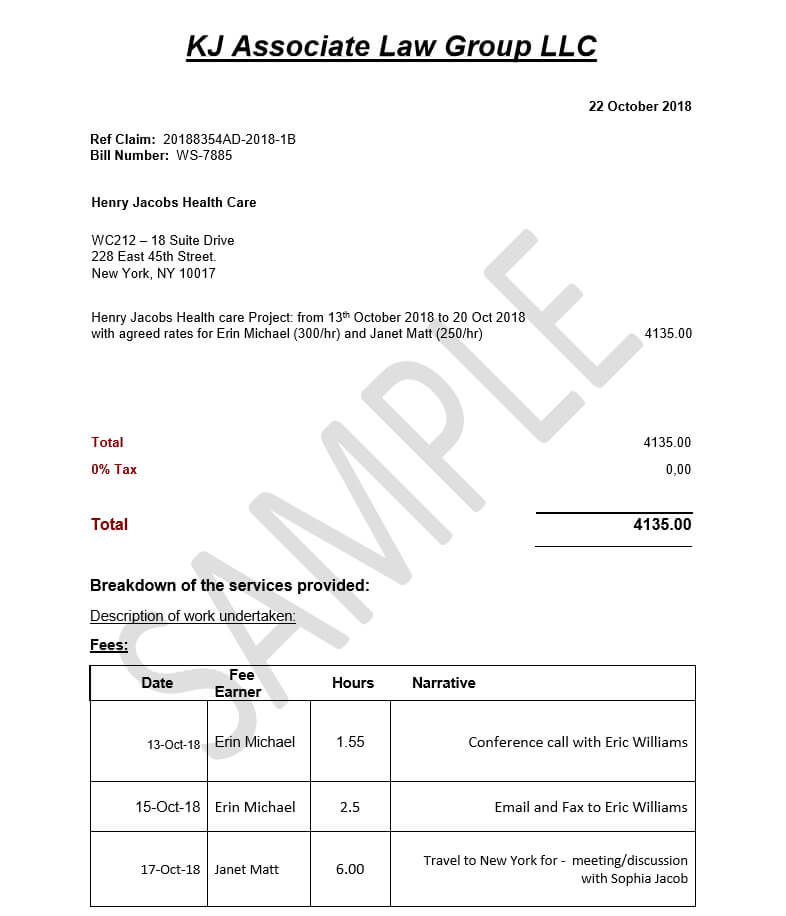
E-billing is an important part of modern legal billing in the United States. Many law firms now use electronic billing systems to prepare, review, and submit invoices digitally instead of using paper-based or manual billing methods.
Today, many corporate legal departments, insurance companies, and third-party administrators require law firms to submit invoices through structured e-billing systems. These systems help improve billing accuracy, standardize invoice review processes, and make payment tracking easier.
As legal billing requirements continue to become more detailed, law firms are increasingly using billing software, e-billing platforms, and e-billing support services to manage billing operations more efficiently.
What Is E-Billing?
E-billing, or electronic billing, is the process of sending legal invoices electronically through digital systems.
Instead of using traditional billing methods, invoices are submitted through online billing platforms that allow clients to review, approve, and track invoices in a more organized way.
E-billing is commonly used when law firms work with clients who have strict billing requirements and compliance guidelines.
The main purpose of e-billing is to improve billing efficiency, reduce manual work, and support more accurate invoice management.
Why E-Billing Is Used in the Legal Industry
Legal billing often involves detailed billing rules and invoice review requirements. Many organizations require law firms to follow specific standards related to:
• Billing formats
• Time entry descriptions
• Billing codes
• Expense policies
• Staffing rules
• Rate structures
Invoices that do not follow these requirements may be delayed, reduced, or rejected.
E-billing systems help law firms manage these requirements in a more structured and organized way.
They also help clients monitor legal spending and review invoices more efficiently.
What Are the Common Features of E-Billing Systems?
Most e-billing systems include features that support invoice management and billing compliance. Some common features include:
• Electronic invoice submission
• Standard invoice formats
• Invoice tracking
• Billing compliance checks
• Approval workflows
• Audit history and reporting
• Legal spend tracking
• Integration with accounting systems
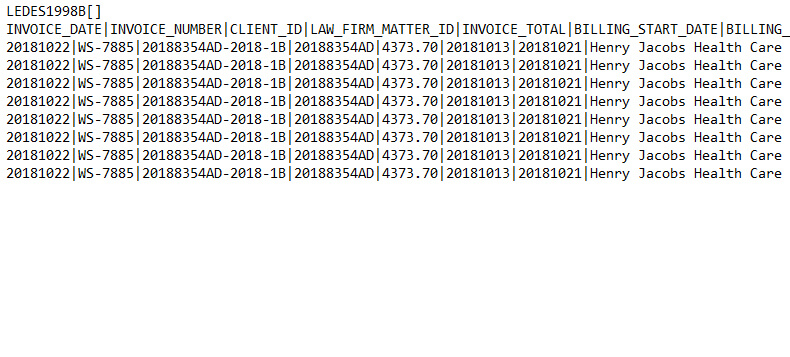
Some systems also support LEDES billing formats, which are commonly used in legal electronic billing.
Understanding the Difference Between Billing Software and E-Billing Platforms
Billing software and e-billing platforms are often discussed together, but they serve different purposes.
Billing Software
Billing software is mainly used by law firms to manage internal billing activities.
These systems may include:
• Time tracking
• Invoice creation
• Expense management
• Trust accounting
• Payment processing
• Matter management
Billing software helps firms organize daily billing and financial operations.
e-Billing Platforms
e-Billing platforms are generally used by clients, insurance companies, or corporate legal departments to receive and review invoices from law firms.
These platforms focus more on:
• Invoice review
• Billing compliance
• Approval workflows
• Legal spend management
• Vendor tracking
Law firms use these systems to submit invoices according to client billing requirements.
What Are e-Billing Services?
E-billing services refer to professional support provided to law firms for handling electronic billing processes.
These services are commonly used by firms that manage large numbers of invoices or work with clients that have strict billing guidelines.
E-billing support services may include:
• Preparing invoices
• Reviewing billing compliance
• Correcting invoice errors
• Submitting invoices through client portals
• Managing rejected invoices
• Tracking payment status
• Monitoring billing workflows
These services help law firms improve billing accuracy and reduce delays during invoice review and approval.
Importance of Billing Compliance
Billing compliance is an important part of legal e-billing. Many clients follow detailed billing guidelines that law firms must follow carefully. Even small errors in billing entries, formats, or codes can affect invoice approval.
Because of this, many firms review invoices carefully before submission to reduce billing issues and improve payment processing.
Some billing workflows also use AI-assisted review processes to identify potential compliance issues before invoices are submitted.
When properly managed, e-billing can help law firms improve both billing operations and financial management. Some common benefits include:
• Improved billing accuracy
• Faster invoice processing
• Better payment tracking
• Reduced administrative work
• More organized billing workflows
• Improved compliance management
• Better visibility into billing activity
E-billing also helps create a more structured billing process between law firms and clients. So, it can be said that understanding the role of billing software, e-billing platforms, and e-billing services can help law firms build more organized and accurate billing workflows while supporting better financial operations.
.png)