Understanding Collection and Receivables Management in U.S. Law Firms
The legal industry in the United States works in a well-organized and structured financial and billing workflow where invoicing, payment tracking, and receivables management form an important part of day-to-day operations. Within this environment, collection-related activities support the follow-up and resolution of unpaid or delayed invoices.
Even when law firms use established billing systems, delays in payment can occur for various operational reasons, such as internal approval cycles, client-side invoice reviews, billing clarifications, or administrative processing timelines. As a result, collection processes are often used as part of the broader financial workflow to manage outstanding balances and maintain financial continuity.
What Are Collection Services for Law Firms?
Collection services in law firm operations refer to the structured set of processes used to track, follow up, and manage unpaid invoices issued for legal services.
These services may be handled internally by law firm administrative or finance teams, or supported through external operational service arrangements, depending on how the firm organizes its billing and receivables functions.
Unlike general commercial debt collection, law firm-related collection processes operate within a professional services context. This means they are influenced by the nature of attorney–client relationships, confidentiality requirements, and professional conduct standards.
Because of this environment, collection activities are typically designed to ensure:
• Proper handling of confidential client information
• Respect for professional relationships between law firms and clients
• Controlled and documented communication practices
• Alignment with applicable legal and ethical guidelines depending on jurisdiction
How Collection Processes Typically Work in Law Firms
Collection-related workflows generally involve a combination of monitoring, communication, and resolution activities designed to manage outstanding receivables in an organized manner.
1. Receivables Monitoring and Categorization
Law firms typically maintain internal records of unpaid invoices and categorize them based on factors such as age of invoice, payment status, and priority level. This helps organize follow-up actions in a structured sequence.
2. Client Communication and Follow-Up
Follow-up communication is usually carried out through written notices, email correspondence, or direct communication. The purpose is to remind clients of outstanding invoices and, when necessary, address any billing-related clarifications or questions.
The tone of communication is generally formal and professional, as it takes place within an ongoing or past professional service relationship.
3. Payment Arrangements and Adjustments
In some cases, alternative payment arrangements may be discussed. These can include structured instalment plans or adjusted settlement discussions, depending on firm policies and client-specific circumstances.
4. Invoice Review and Dispute Handling
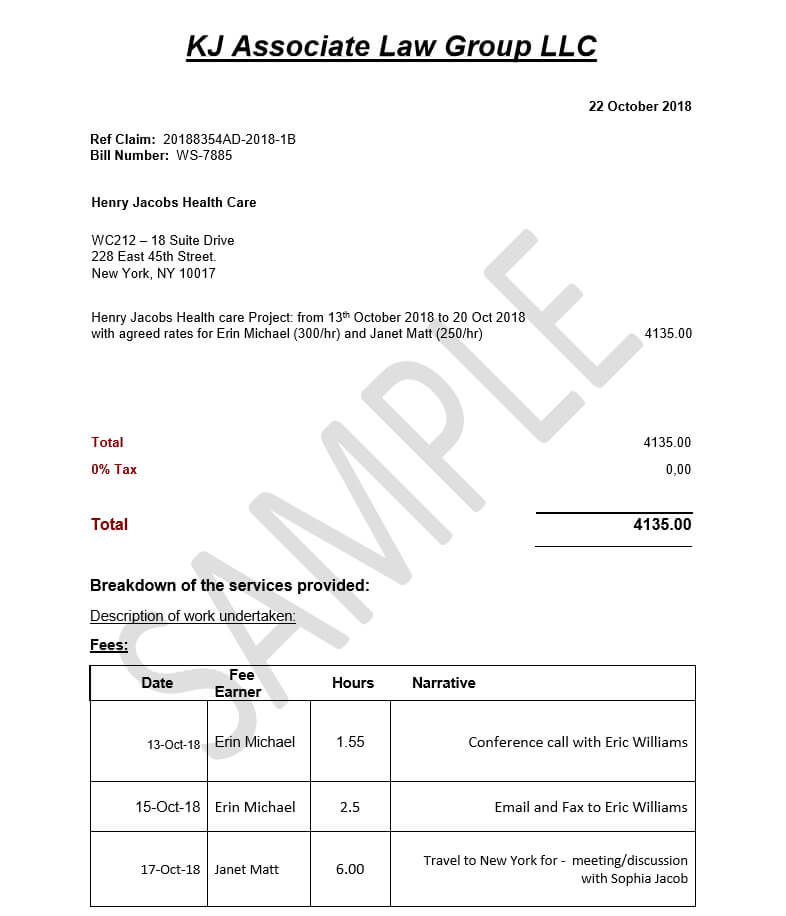
If a client raises questions or disputes regarding an invoice, the process may involve reviewing detailed billing entries, time records, and supporting documentation. The objective is to clarify the charges and resolve discrepancies where possible through explanation or correction.
5. Receivables Reporting and Tracking
Law firms usually maintain internal reporting systems that track outstanding balances, collection progress, and payment status. These reports are used for financial visibility and internal decision-making related to billing workflows.
What Is Legal Debt Recovery?
Legal debt recovery refers to a more formal stage within receivables management that may be considered when standard collection follow-up processes do not result in resolution.
This stage is generally structured and may involve escalation steps such as formal written notices or other legally recognized communication procedures. The exact process can vary depending on the jurisdiction, contractual terms, and nature of the client engagement.
Because it represents a more formal stage of financial resolution, legal debt recovery is typically used after earlier collection efforts have been completed.
Key Characteristics of Legal Debt Recovery Processes
Legal debt recovery processes are generally defined by structured procedures that ensure clarity, documentation, and controlled escalation. Some of the key characteristics are:
1. Structured Escalation Approach
Cases are typically managed in phases, starting with standard reminders and progressing toward more formal steps if the invoice remains unresolved.
2. Documentation and Record Maintenance
Detailed records of invoices, communications, and follow-up actions are maintained throughout the process. This documentation supports clarity and provides a reference for any further action.
3. Compliance and Professional Standards
Debt recovery activities in legal contexts are generally carried out with attention to applicable legal frameworks, ethical guidelines, and professional responsibility standards relevant to law firm operations.
4. Coordination with Billing and Financial Systems
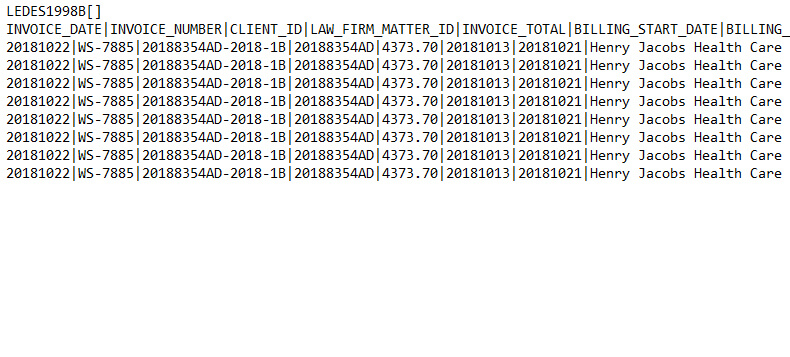
In many law firm environments, collection and recovery activities are integrated with internal billing and accounting systems to ensure consistency in financial records and reporting accuracy.
Role of Collection Processes in Legal Billing Workflows
Collection services are one component of the broader billing lifecycle in law firms. Billing, invoicing, receivables tracking, and payment follow-up collectively form a continuous workflow that supports financial operations.
Within this workflow, collection processes help ensure that outstanding invoices are actively monitored and addressed through structured communication and tracking methods. This contributes to maintaining organized financial records and improving visibility into receivables status.
Conclusion
Collection-related processes in U.S. law firms operate as part of structured financial workflows that support invoice follow-up, communication, and receivables management. These processes exist alongside billing systems and internal financial operations to ensure that outstanding payments are tracked and managed in an organized manner.
When standard follow-up methods are not sufficient, more formal debt recovery procedures may be used depending on the situation and applicable guidelines.
Together, these components form part of the broader financial structure within law firms, supporting documentation, workflow consistency, and receivables management in a regulated professional environment.

.png)