The Ultimate Checklist for Reducing Legal Billing Write-Offs
Legal billing write-offs can be a serious problem for law firms. Write-offs happen when time spent on a case or expenses incurred cannot be billed to clients, often due to mistakes or misunderstandings. These write-offs result in lost revenue and can hurt the firm’s bottom line.
For law firms, reducing write-offs is more than just about improving billing accuracy. It’s about improving efficiency, building better client relationships, and ensuring that the time and effort put into cases are properly compensated.
Here’s the ultimate checklist to help your law firm reduce legal billing write-offs and keep more revenue in your firm.
1. Accurate and Consistent Time Tracking
One of the leading causes of legal billing write-offs is inaccurate time tracking. If your firm doesn’t capture every minute worked, there is a high chance that some of it will be written off later.
To solve this, ensure that your firm is using automated time tracking software that logs time in real-time. This software will track every email, call, meeting, and document you work on, reducing the chance of missing any billable hours. By automating time capture, the process becomes more accurate, saving valuable time and preventing underbilling.
Additionally, encourage your team to regularly update time records. The more frequently time is logged, the less likely you are to forget important details later. This can significantly reduce write-offs.
2. Perform a Thorough Pre-Bill Review
Before sending out any invoices, always conduct a pre-bill review. Think of this as proofreading a paper before submitting it. It ensures that no errors slip through and that your clients are being billed correctly for everything.
During the review, double-check every time entry, expense, and task. For example, if an attorney logged time for research, make sure the time entry accurately reflects the work done and that it aligns with the client’s expectations. Confirm that all charges, such as filing fees or expert witness costs, are included.
Modern billing systems often come with features that flag errors or discrepancies. If a time entry exceeds the approved rate or a task isn’t approved, the system can highlight it, saving you from potential write-offs.
3. Set Clear Client Expectations Early On
Many write-offs happen because of misunderstandings between the law firm and the client. Clients may dispute charges if they don’t fully understand what they’re being billed for. Setting clear billing expectations from the start is essential.
Make sure to discuss billing structures, whether hourly rates, flat fees, or other arrangements, before starting any work. Explain how time will be tracked and what additional costs might be involved, such as travel fees or expert witnesses.
Once the work begins, keep clients updated. If there are any changes in the scope of the work or additional costs, inform the client immediately. This proactive communication can help avoid confusion later on and reduce the chances of billing disputes.
4. Use Clear and Itemized Invoices
A common cause of write-offs is clients disputing unclear or vague invoices. If a client doesn’t understand the charges, they might delay payments or question the bill entirely.
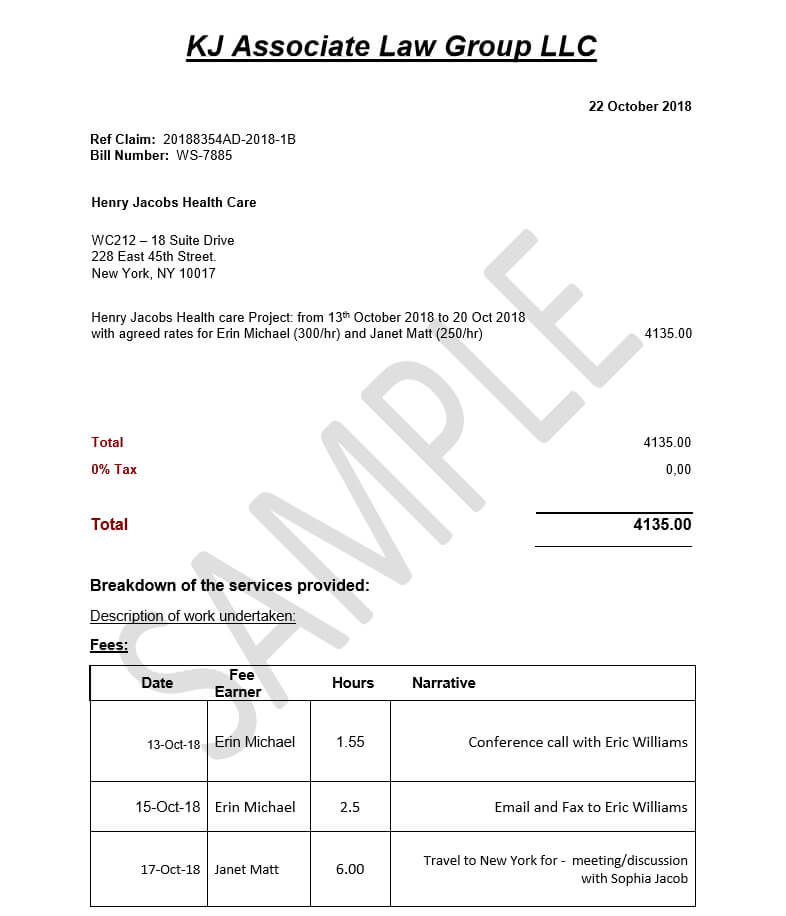
Itemized invoices that break down each task, time entry, and expense clearly are key to preventing disputes. Clients should be able to look at the invoice and easily see how the charges were calculated. For example, instead of simply listing “Research,” include a detailed description like, “Legal research on XYZ topic, 2 hours.”
The more detailed and transparent your invoices are, the less likely it is that clients will dispute them or request write-offs.
5. Monitor Work in Progress (WIP) Regularly
WIP tracking is essential for ensuring that your firm stays on top of billing and prevents write-offs. By regularly checking the status of ongoing cases and the time logged, you can ensure that all billable work is captured and invoiced accordingly.
WIP tracking tools allow you to see what’s been billed and what’s still in progress, giving you a clear picture of the case’s financials. By regularly reviewing WIP, you can spot issues early, such as underbilled hours or tasks that haven’t been properly logged.
This regular check-in can help reduce surprises at the end of the billing cycle, decreasing the chances of needing to write off unbilled time.
6. Utilize Alternative Fee Arrangements (AFAs)
Many law firms are moving away from traditional hourly billing and exploring Alternative Fee Arrangements (AFAs). AFAs offer clients a predictable fee structure and reduce the chances of disputes over billing.
Some common AFAs include flat fees, contingency fees, and hybrid models. For example, with a flat fee, the client agrees to pay a set amount for a specific service, regardless of the number of hours worked. This approach reduces the risk of underbilling or overbilling and makes it easier to set expectations upfront.
By offering AFAs, you can help clients feel more confident about their costs and reduce the chances of needing to write off time or expenses later.
7. Regularly Review Billing Practices
To continuously reduce billing write-offs, law firms must regularly review their billing practices. By conducting periodic audits and examining key performance indicators (KPIs) like realization rates and collection cycles, you can spot trends and identify areas where your firm might be losing money.
For example, if your firm notices that write-offs are higher in certain practice areas or with certain clients, it may indicate a problem with time tracking or billing expectations. These insights allow you to address issues early, adjust processes, and improve overall billing accuracy.
8. Leverage Technology for Compliance and Efficiency
Billing software and artificial intelligence (AI) can play a significant role in reducing write-offs. AI tools can automatically check your invoices for compliance with client billing guidelines, ensuring that all charges align with agreed terms. If a time entry is outside the approved rate, AI can flag it before the invoice is sent out.
By leveraging technology, law firms can not only reduce errors but also speed up the billing process. AI-driven billing systems make it easier to spot discrepancies, identify unbilled time, and improve overall billing efficiency.
9. Train Your Team on Best Billing Practices
Your team plays a crucial role in reducing billing write-offs. Regular training on time tracking, billing procedures, and client communication ensures that everyone is following best practices.
Make sure that attorneys, paralegals, and administrative staff are aware of the firm’s billing guidelines and the importance of logging time and expenses correctly. Training your team will reduce mistakes, improve efficiency, and ultimately lead to fewer write-offs.
Conclusion
Reducing legal billing write-offs is essential for improving your firm’s profitability. By following these key strategies, accurate time tracking, detailed pre-bill reviews, clear client communication, and using modern technology, you can significantly reduce the risk of write-offs. Regular reviews and training will help your firm continuously refine its billing processes and ensure that you are compensated fairly for your work.
If you are a law firm looking for help in reducing billing write-offs, optimizing your time tracking, or improving your billing processes, feel free to schedule a call with us today.

.png)