The Most Common Billing Mistakes Law Firms Must Avoid in 2026
Have you ever wondered why some law firms struggle with billing accuracy, even when they put in so much effort to get it right? Billing mistakes might seem like small errors, but they can have a big impact on your firm’s bottom line.
In 2026, these mistakes still happen more often than you'd think. Whether it's missing a few billable minutes or failing to follow client billing guidelines, these slip-ups can slow down cash flow, lead to client disputes, and even damage your firm's reputation.
Understanding and avoiding these common billing mistakes is key to running a successful practice. Let’s explore the most common errors law firms make and how you can avoid them to keep your firm on track financially.
Understanding Some Key Billing Mistakes to Avoid in 2026
Here are some of the most common billing mistakes law firms make, and how you can prevent them from affecting your firm’s profitability:
1. Failing to Track Time Properly
One of the biggest challenges law firms face when it comes to billing is tracking time accurately. If attorneys or staff forget to log their hours or if they do so incorrectly, the firm can lose valuable billable time. This may seem like a small issue, but over time, it can add up to a significant loss in revenue.
Manual time tracking is especially prone to errors. When lawyers are busy with multiple cases, it's easy to forget the small tasks, like a quick phone call or reviewing an email, that may still be billable. To avoid underbilling, many firms are now turning to automated time tracking tools that log time in real-time as you work. This means every minute is captured automatically, reducing the risk of missed or inaccurate entries.
2. Not Being Transparent About Fees
Have you ever received a bill for a service that was more than you expected? It’s frustrating, right? The same goes for clients who are surprised by their legal bills. Law firms that don’t clearly communicate their billing structure from the beginning risk upsetting clients when the invoice arrives. If clients don’t understand the rates, what’s included, or when they’ll be charged, they may dispute the bill or delay payment.
Make sure you explain the billing process clearly to clients at the start of the engagement. Whether you're using hourly rates, flat fees, or an alternative fee arrangement, clients should know exactly what they’re being charged for and why. This upfront transparency builds trust and reduces the likelihood of surprises when the bill comes.
3. Skipping Pre-Bill Reviews
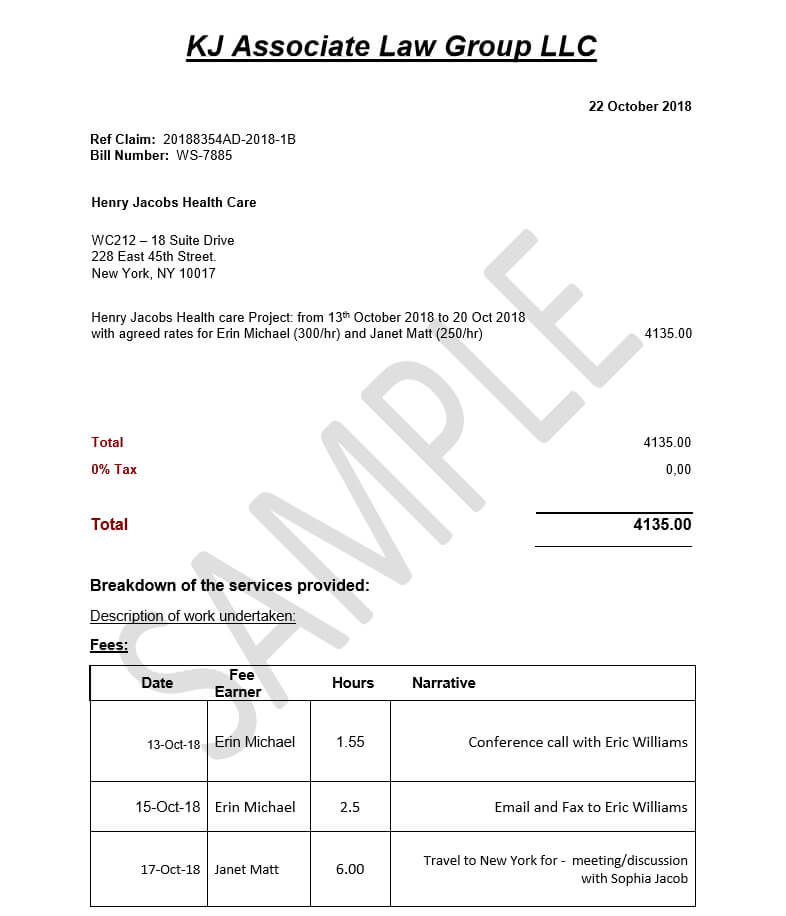
Before sending out invoices, it’s essential to do a pre-bill review. This is just like proofreading a paper before submitting it. We are doing the very same idea. Skipping this review step can lead to overlooked errors like incorrect time entries, missing expenses, or charges that don’t match client agreements.
A good pre-bill review allows you to catch mistakes before they reach the client. Review each entry carefully: check for accuracy, ensure expenses are legitimate, and confirm that the bill complies with client-specific guidelines. Many legal billing systems come with audit features that automatically flag inconsistencies, saving you time and helping you avoid mistakes.
4. Poor Management of Accounts Receivable (A/R)
Keeping track of Accounts Receivable (A/R) can sometimes slip through the cracks. If invoices are not regularly monitored, overdue payments can pile up, leading to financial strain. As your firm grows, this issue can become harder to manage without the right system in place.
To prevent this, keep a close eye on outstanding invoices and make it a point to follow up on late payments. Categorizing overdue accounts like 30 days, 60 days, 90 days, etc. allows your team to prioritize which invoices need attention first. Legal billing platforms can also send automated reminders to clients about upcoming or overdue payments, making collections more efficient.
5. Ignoring Client-Specific Billing Guidelines
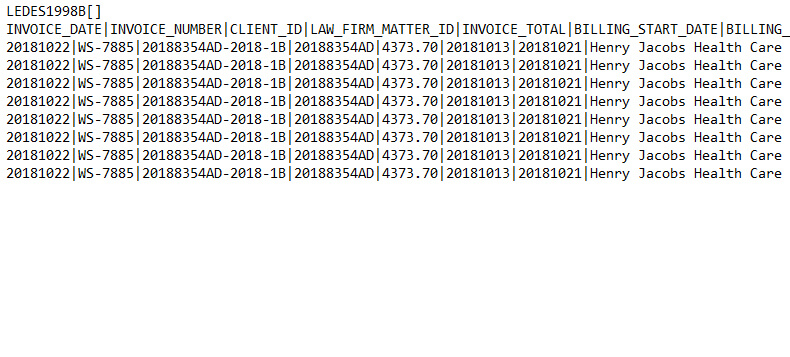
Every client may have their own billing guidelines, and ignoring them can lead to rejected invoices or delayed payments. Some clients require specific formats for their invoices, or they may only approve certain tasks for billing. If these guidelines aren’t followed, you risk having the invoice returned or rejected.
To avoid this mistake, be sure to familiarize yourself with each client’s billing preferences at the start of the relationship. This includes knowing what tasks are billable, any special formatting requirements, and any restrictions on expenses. With billing software that can store these preferences, you can ensure every invoice meets the client’s requirements and gets paid on time.
6. Overcharging or Undercharging Clients
Overcharging or undercharging clients can cause significant problems for your firm. Overcharging risks upsetting the client and damaging your reputation. Undercharging, on the other hand, means that your firm is losing money, sometimes, a lot of money.
To avoid both, it’s important to track your time and expenses accurately. If you’re using an hourly rate, make sure the time recorded matches the work done. If you’re working with a flat fee, carefully monitor your hours to ensure the fee structure remains profitable. Many firms rely on billing systems that integrate time tracking with billing, helping ensure that you charge the correct amount every time.
7. Limited Payment Options for Clients
Clients today expect multiple payment options that fit their preferences. If your firm still only accepts checks or bank transfers, it may be holding up the payment process. Clients want the convenience of paying online, whether through credit cards, bank transfers, or mobile apps.
Offering electronic payment options can speed up collections significantly. Some legal billing platforms even allow clients to pay directly from the invoice, reducing the time spent on manual processes and increasing the likelihood of timely payments.
8. Lack of Client Communication During the Billing Process
When it comes to billing, communication is key. If clients don’t know the status of their invoices, they might forget to pay or get confused about the charges. Regular updates and reminders can keep the billing process smooth and transparent.
Using client portals is one of the best ways to keep clients informed. These portals allow clients to view invoices, track payment status, and even communicate directly with the firm about any billing concerns. Regular follow-ups and reminders about upcoming payments also help keep the process on track and reduce the chances of delayed payments.
9. Failing to Review Billing Practices Regularly
Just like other aspects of law firm management, billing practices should be reviewed periodically to ensure they’re working as efficiently as possible. Systems and processes that worked in the past may no longer be the best option as your firm grows or as technology changes.
Conduct regular audits to identify bottlenecks or errors in your billing system. Keeping track of key performance indicators (KPIs) like realization rates and collection cycles will help you measure success and pinpoint areas for improvement. With the right billing software in place, these audits become easier and more accurate.
Conclusion
Billing is an essential part of law firm operations, but it’s easy to make mistakes that can impact your firm’s cash flow and client relationships. Whether it's inaccurate time tracking, poor communication, or failing to follow client-specific guidelines, these mistakes can add up quickly, leading to financial challenges.
In 2026, it’s more important than ever for law firms to have the right processes and tools in place to improve billing accuracy and accelerate collections. If you’re a law firm looking for ways to reduce billing errors, boost profitability, and improve client satisfaction, don’t hesitate to get in touch with us. We’re here to help guide you toward smarter, more efficient billing practices.

.png)