Software Bill Review vs. Managed Bill Review Services: What’s the Difference?
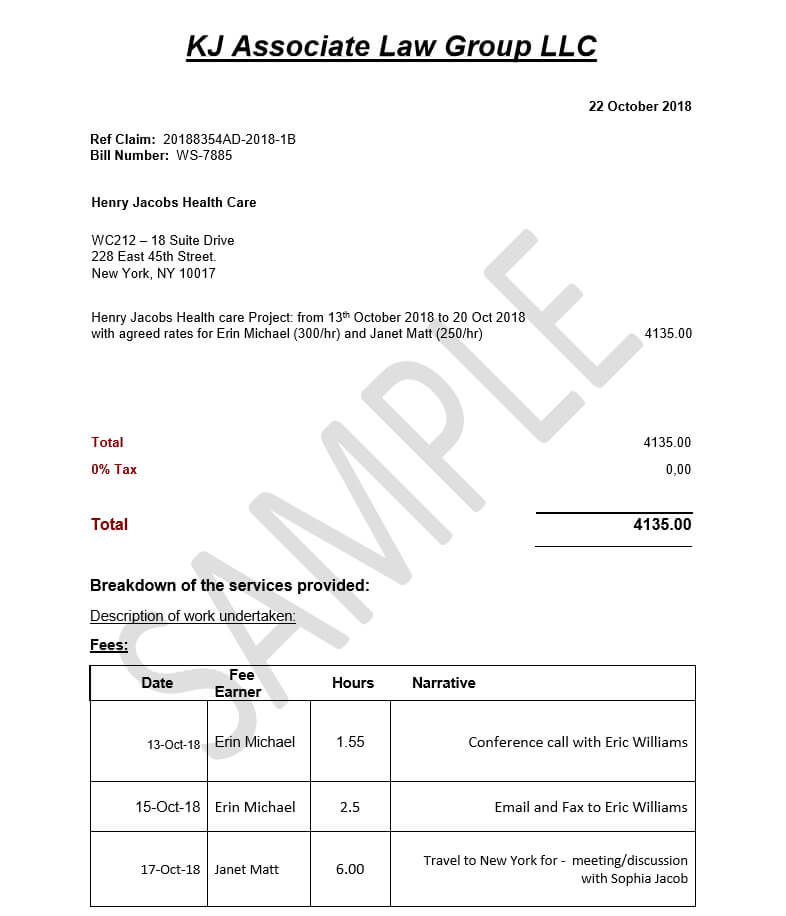
Are you using software to review your legal bills, or do you have a team of experts doing it for you? We all know that legal bill review can become a time-consuming task for businesses that work with different law firms. A single legal invoice can contain hundreds of time entries, different billing rates, expenses, and other charges. Reviewing each entry carefully takes time and attention.
Businesses usually use one of two approaches: software bill review or managed bill review services. Software bill review uses technology to check legal invoices against billing rules and identify possible problems. Managed bill review services combine this technology with professional reviewers who examine billing issues and handle cases that need more attention.
Both approaches can help businesses find billing errors, follow billing guidelines, and manage legal spending. The main difference is the level of human involvement.
What Is Software Bill Review?
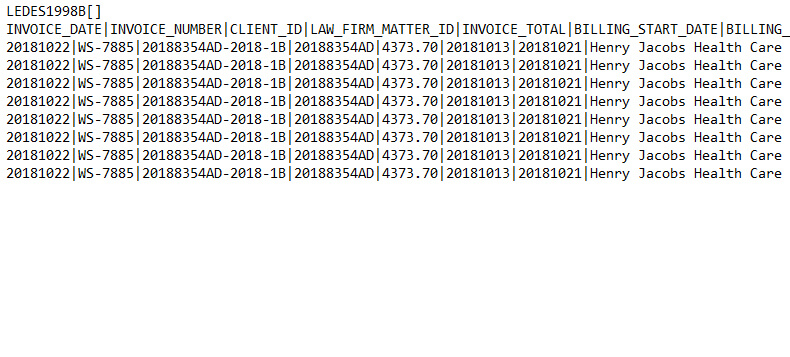
Software bill review uses technology to examine legal invoices. The software reads invoice information and compares it with the company's billing rules. These rules may cover lawyer rates, time entries, expenses, billing codes, and other outside counsel billing guidelines.
The software may flag issues such as:
● A lawyer charging more than the approved billing rate.
● The same expense appearing more than once.
● A law firm charging for work that is not allowed under the billing guidelines.
● An expense that does not meet the company's requirements.
● A time entry that does not follow the required billing rules.
● A charge that goes over an approved limit.
The flagged entries can then be reviewed by an employee or another reviewer.
Legal bill review software can be particularly useful for businesses that receive a high volume of legal invoices. Instead of manually checking every invoice from the beginning, the internal team can rely on automated checks to identify common problems.
What Are Managed Bill Review Services?
Managed bill review services combine technology with human review. A managed bill review provider typically uses software to process invoices and identify possible billing problems. Professional reviewers then examine the flagged charges and determine whether they actually require action.
Human review can be important when a billing issue cannot be understood from a simple rule.
For example, a lawyer may bill 15 hours for a particular task. Software may flag the entry because it is above a set limit. The charge may still be reasonable if the legal matter required an unusually large amount of work.
A professional reviewer can examine the billing description and other available information before deciding whether the charge should be questioned. Managed bill review services may include:
● Legal invoice review
● Billing guideline checks
● Billing rate verification
● Duplicate charge detection
● Review of unusual billing entries
● Exception management
● Legal billing analysis
● Savings reports
● Legal spend reporting
The service combines automated invoice checking with professional review.
Software Bill Review vs. Managed Bill Review Services
The main difference between the two approaches is how billing issues are handled after the software identifies them.
With software bill review, technology performs the initial checks. An internal team usually reviews the flagged entries and manages the next steps.
With managed bill review services, an external review team handles much of this work. The provider uses software to identify possible problems and professional reviewers to examine issues that need further attention.
Software can automate the checking process. Managed services can add people who review, explain, and manage billing issues.
How Does Software Bill Review Work?
The software bill review process usually follows several steps.
1. The invoice is submitted: A law firm sends the legal invoice electronically, or the invoice is uploaded to the billing system.
2. The software reads the invoice: The system reviews information such as lawyer names, billing rates, dates, hours, expenses, and descriptions of the work.
3. Billing rules are applied: The software compares the invoice with the company's billing guidelines and approved rates.
4. Potential problems are flagged: The system identifies entries that may not meet the company's requirements.
5. Flagged entries are reviewed: An employee or reviewer examines the flagged charges and decides whether they need to be questioned or corrected.
The process can reduce the amount of manual work involved in routine invoice checking.
How Do Managed Bill Review Services Work?
Managed bill review services use a similar technology-based process but add professional reviewers. The invoice first goes through the billing system. Automated checks identify possible errors or guideline violations. Professional reviewers then examine the flagged entries. They may also look at other parts of the invoice when a broader review is needed.
The reviewers can document billing issues, identify questionable charges, and provide information that helps the organization decide how to handle them. Some managed services also support communication and follow-up related to billing exceptions. The process can be especially useful for businesses with a large number of legal invoices or complicated billing requirements.
Why Is Human Review Important in Legal Billing?
Automated systems can check large amounts of invoice data quickly. Some billing decisions require more context. Think of a scenario where a lawyer bills an unusually high number of hours for a task. Software can identify the entry because it falls outside a predefined limit. It cannot always determine whether the work was necessary or reasonable based only on the billing data.
A human reviewer can look at the description and other available information. The reviewer can determine whether the charge appears to be a genuine billing issue or whether there is a reasonable explanation. Human reviewers can also identify billing patterns across invoices. Several small issues may become more meaningful when they occur repeatedly.
Technology and human review can therefore serve different purposes. Automation provides speed and consistency, while human review provides additional context.
What Are the Benefits of Software Bill Review?
Below are some of the main benefits of software bill review:
1. Faster invoice checking
Software can review large numbers of invoice entries quickly. This reduces the time needed for routine checks.
2. Consistent billing checks
The same rules can be applied to invoices from different law firms. This creates a more consistent review process.
3. Fewer manual checks
Employees can focus on flagged entries instead of manually reviewing every line item.
4. Easier handling of large invoice volumes
Automated systems can process large amounts of invoice data without requiring the same increase in manual effort.
5. Better legal spending data
Many legal billing platforms provide reports that help businesses understand their legal expenses and identify recurring billing issues.
What Are the Benefits of Managed Bill Review Services?
The following are some of the key benefits of managed bill review services:
1. Reduced internal workload
An external review team can handle much of the invoice review process, reducing the amount of work assigned to internal employees.
2. Professional billing review
Experienced reviewers can examine billing issues that may require more than an automated rule.
3. Support for complex invoices
Legal invoices can contain complicated time entries, expenses, and billing arrangements. Professional reviewers can examine these issues in greater detail.
4. Consistent use of billing guidelines
A dedicated review team can apply the organization's outside counsel billing guidelines across invoices from different law firms.
5. Identification of potential savings
Reviewers can identify incorrect rates, duplicate charges, inappropriate expenses, and other billing issues that may lead to unnecessary legal costs.
Is Software Bill Review Cheaper Than Managed Bill Review?
Each organization is different, and so are the operational needs. The cost varies based on the organization's working requirements. Software may be suitable for a business that already has an internal team capable of managing the system, reviewing flagged charges, updating billing rules, and following up with law firms.
Managed services may be suitable for a business that wants to reduce the amount of internal time spent on legal invoice review. The total cost should include more than the software subscription or service fee. Businesses should also consider employee time, invoice volume, billing complexity, and potential savings from identifying billing errors.
Can Software and Managed Bill Review Be Used Together?
Yes. Businesses can use software and managed review as part of the same process. Software can handle routine checks and quickly identify potential problems. Professional reviewers can then examine the entries that require more detailed attention.
This approach allows businesses to use automation without depending entirely on automated decisions. For organizations with a large legal invoice volume, the combination can provide efficient processing and human oversight.
When Does Software Bill Review Make Sense?
Software bill review can be useful for businesses that:
● Receive many legal invoices.
● Want to automate routine invoice checks.
● Have an internal team that can manage the system.
● Have clear billing guidelines.
● Want to reduce manual invoice processing.
● Need better visibility into legal spending.
● Expect their invoice volume to grow.
Businesses with simple billing requirements and sufficient internal resources may be able to manage the review process effectively with software.
When Do Managed Bill Review Services Make Sense?
Managed bill review services can be useful for businesses that:
● Work with multiple law firms.
● Receive a large number of legal invoices.
● Have complex billing requirements.
● Do not have enough internal staff for detailed invoice review.
● Want experienced professionals to review billing issues.
● Want to reduce internal work related to invoice exceptions.
● Need consistent enforcement of outside counsel billing guidelines.

.png)