Rules-Based vs. AI-Based Legal Billing Review Systems
Rules-based vs. AI-based legal billing review systems help companies check and manage invoices from law firms. Legal departments have moved from manual invoice reviews to automated systems because invoices have grown more complex and numerous. These systems make sure invoices are accurate, follow company rules, and help control legal costs.
Using a good legal billing review system saves time, reduces errors, and gives better insights into legal spending. Each system works differently, so understanding how they function can help companies choose the right one.
What is Legal Billing Review?
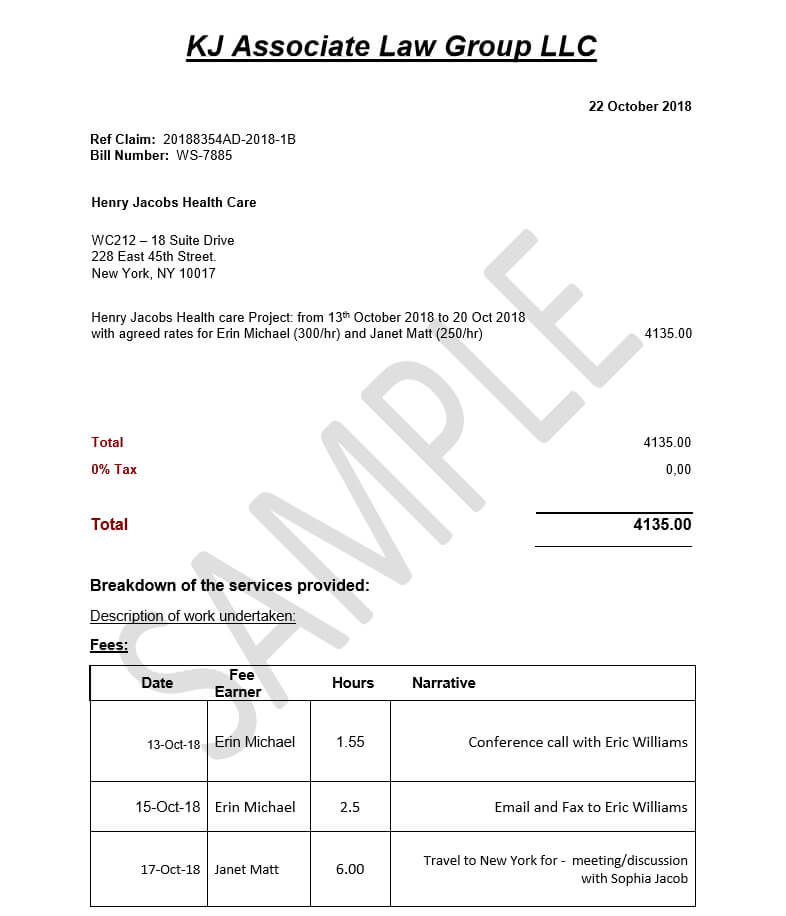
Legal billing review is the process of carefully checking invoices from law firms to ensure they follow internal rules, contracts, and industry standards. Companies create billing policies that lawyers must follow, and reviewing invoices enforces these policies. A proper review prevents overbilling, identifies mistakes, and helps companies manage budgets more effectively.
During a legal billing review, staff check that:
• Lawyers record accurate hours for the work they perform
• Charges match the agreed rates in contracts or engagement letters
• Administrative or disallowed tasks do not appear on invoices
• The system identifies duplicate or repeated charges
• The billed work aligns clearly with the services actually provided
Without automated systems, reviewing invoices manually can take a long time, especially for large legal departments managing multiple law firms. Employees may spend hours or even days checking every invoice.
Manual reviews can also miss subtle mistakes, like billing for unnecessary steps or minor inconsistencies. Legal billing review systems streamline this process, increase accuracy, and provide clear documentation for audits and reporting.
Rules-Based Legal Billing Review Systems
A rules-based legal billing review system is a traditional approach that uses pre-set rules to check invoices. Companies define these rules based on internal policies, engagement agreements, and standard billing practices.
When invoices arrive, the system checks each line item against the rules. If the item violates a rule, the system flags it immediately for review or adjustment.
Some common rules in these systems include:
• Lawyers cannot bill more than a certain number of hours per day
• Combining multiple tasks into one entry (block billing) is not allowed
• Companies only reimburse approved expenses, like travel, filing fees, or court costs
• Each lawyer or role cannot exceed the agreed-upon hourly rate
These systems treat every invoice the same way. They apply the rules consistently, ensuring uniform enforcement of company policies.
What Are the Advantages of Rules-Based Systems?
The following are some of the main advantages of rules-based systems:
• Simple and Easy to Understand: Each flagged invoice breaks a specific rule. Staff and law firms can see exactly why a charge was adjusted or rejected.
• Clear Audit Trail: Every adjustment links directly to a rule. This allows companies to explain actions to auditors, management, or law firms without confusion.
• Strict Policy Enforcement: These systems ensure invoices always follow company policies. They leave little room for inconsistencies.
• Lower Initial Cost: Rules-based systems are usually less expensive to implement and maintain than AI systems, making them ideal for smaller legal departments.
• Predictable and Reliable: Since the system applies rules consistently, staff know exactly what to expect. There is no uncertainty in how invoices are reviewed.
Rules-based systems work well when companies have straightforward policies and predictable billing patterns. They help legal departments maintain control over costs without relying heavily on complex technology.
Limitations of Rules-Based Systems
While effective, rules-based systems have some limitations. Some of the main limitations are:
• Cannot Understand Context: The system cannot judge whether a billed task makes sense in context. For instance, a complex legal task that takes longer than usual may be flagged even if the hours are reasonable.
• Requires Manual Updates: When billing policies or company rules change, staff must manually update the system to reflect those changes.
• Detects Only Known Issues: Rules-based systems cannot detect new or unusual billing patterns. They only catch errors that are explicitly covered by a rule.
• Less Efficient for Large Volumes: Companies managing large numbers of invoices or multiple law firms may find that rules-based systems miss inefficiencies or errors that occur in subtle or complex ways.
Despite these limitations, rules-based systems remain a reliable, low-cost choice for many companies. They provide structure and enforce compliance in a predictable manner.
What Are AI-Based Legal Billing Review Systems
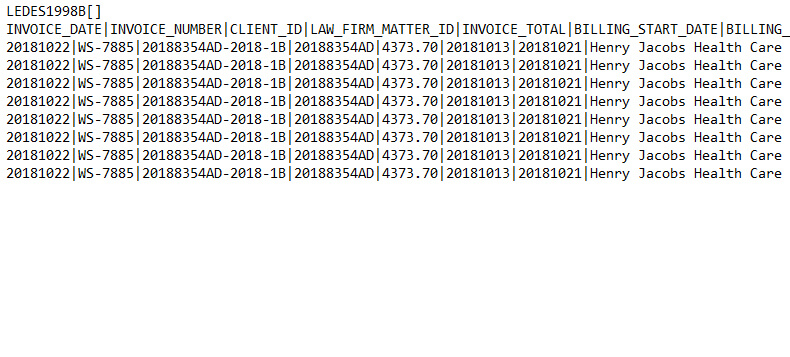
An AI-based legal billing review system uses artificial intelligence to review invoices. Instead of relying only on fixed rules, AI systems read invoice descriptions, detect patterns, and learn from historical data.
AI systems can identify mistakes or unusual billing practices that rules-based systems might overlook. They can examine time entry narratives, compare invoices across matters or law firms, and suggest adjustments based on observed trends. Over time, the system becomes smarter and more accurate, improving efficiency and reducing unnecessary costs.
AI-based systems do more than just flag errors, they provide insights into overall spending trends, help identify high-performing law firms, and uncover hidden inefficiencies in legal workflows.
What Are the Advantages of AI-Based Systems?
The following are some of the main benefits of AI-based systems:
• Understands Context: AI can read descriptions of tasks and understand the work performed. This allows it to identify errors or unusual charges that do not directly break a rule.
• Learns Over Time: AI systems improve as they process more invoices. They adapt to new patterns and catch errors automatically without manual updates.
• Finds Hidden Issues: AI detects overstaffing, unnecessary tasks, and inefficiencies that rules-based systems cannot see. This can lead to significant cost savings.
• Handles Large Volumes Efficiently: AI can process hundreds or thousands of invoices quickly, making it ideal for large legal departments or enterprises that work with multiple law firms.
• Provides Strategic Insights: AI generates reports on legal spending trends, law firm performance, and billing efficiency. These insights allow companies to make better decisions about budgets, resource allocation, and vendor selection.
AI-based systems help legal teams not only enforce compliance but also gain valuable strategic insight, making them a powerful tool for managing complex legal operations.
How to Choose Between Rules-Based and AI-Based Systems
Choosing the right system depends on several factors:
• Company Size: Small or medium legal departments with fewer law firms and simpler billing practices may rely on rules-based systems effectively.
• Invoice Volume and Complexity: Large organizations with many law firms, complex matters, or hundreds of invoices per month benefit more from AI-based systems.
• Budget: Rules-based systems cost less upfront, while AI systems require a higher initial investment but may provide greater long-term savings.
• Strategic Goals: Companies focused on compliance only may do well with rules-based systems. Companies that want to understand trends, improve efficiency, and optimize legal spend benefit more from AI systems.
Many companies now use a hybrid approach. They combine rules-based checks for basic compliance with AI analysis for complex invoices and insights. This approach provides the strengths of both systems, ensuring accurate, efficient, and intelligent management of legal spend.
Conclusion
Rules-based vs. AI-based legal billing review systems both play an important role in managing legal invoices. Rules-based systems are simple, consistent, and reliable. They enforce company policies clearly and cost less to implement. AI-based systems are adaptive, context-aware, and capable of identifying hidden issues and inefficiencies.
The best approach combines both. Rules enforce basic compliance, and AI provides insight, efficiency, and cost savings. Choosing the right system or combination helps companies reduce errors, control legal costs, and make smarter decisions about legal spending. For more details, do not hesitate to connect with us now.
.png)