Legal Operations in 2026: A Quick Guide
When people hear the word legal, they usually think about lawyers, contracts, court cases, and legal advice. But behind every busy legal team, there is another side of the work that is just as important. Someone has to manage budgets, organize legal matters, track invoices, improve processes, manage technology, and understand how much work the team is handling. And this is exactly where we see the importance of legal operations, or legal ops.
Legal operations helps a legal department run in a more organized and structured way. It brings together people, processes, technology, information, and money so that lawyers can spend more time on legal work and less time dealing with administrative tasks.
Legal operations in 2026 are becoming even more important as legal departments deal with growing workloads, tighter budgets, new technology, and artificial intelligence. But what exactly is legal operations? Let's take a look.
What Is Legal Operations?
Legal operations is the business and management side of a legal department. Lawyers are responsible for legal work like reviewing contracts, giving legal advice, handling disputes, or helping a company understand its legal responsibilities. Legal operations support those activities.
For example, a lawyer may need to review a contract. Legal operations can help make sure that the contract request is received correctly, assigned to the right person, tracked through the process, and stored after completion.
Legal operations can also manage the budget, track outside law firm spending, prepare reports, manage legal technology, and improve the way work moves through the department. The Association of Corporate Counsel (ACC) describes legal operations as a business management function that uses areas such as processes, data, and technology to support the delivery of legal services.
Why Is Legal Operations Important?
A legal department does not only deal with legal questions. It also deals with a large amount of information, money, technology, documents, deadlines, and requests from other parts of the business. As a company grows, this work can become difficult to manage. We can take the example of a company that handles hundreds of contracts, dozens of legal matters, several outside law firms, and thousands of requests from employees. If all of this information is managed through emails and separate spreadsheets, it can become difficult to know what is happening. Here, legal operations bring more structure to this work. It helps answer questions such as:
● How much legal work is coming in?
● How much money is being spent?
● How long does the work take?
● Which matters are still open?
● Which work is handled by the internal legal team?
● Which work is sent to outside lawyers?
● Where are delays happening?
● Can technology make the process easier?
All these questions help legal leaders understand what is happening inside their department.
What Does a Legal Operations Team Do?
We cannot fit legal operations into a single job description because the responsibilities depend on the size and needs of the organization. In a small company, one person may manage several areas. In a large company, there may be a dedicated legal operations team with different people handling finance, technology, data, projects, and other responsibilities.
However, some of the main areas include the following:
1. Managing the Legal Budget
Legal operations can help prepare and manage the legal department's budget. It can track how much money has been spent and compare that amount with the planned budget. This gives legal leaders a clearer picture of their financial position.
Legal operations may also track spending on outside counsel, legal software, vendors, and other services. Regular reporting can help the department identify unexpected expenses and understand where its budget is being used.
2. Managing Legal Technology
Legal departments use different types of technology to manage their daily work. This can include contract management systems, matter management software, e-billing platforms, document management systems, workflow tools, and reporting platforms.
Legal operations helps evaluate these tools, manage their use, and make sure they support the department's actual needs. The goal is not simply to introduce more technology. The goal is to use the right technology to reduce manual work, improve access to information, and make everyday processes easier.
3. Managing Legal Matters
Legal operations can also help organize and track legal matters. A legal team may be handling contracts, disputes, investigations, regulatory requests, employment matters, and other issues at the same time. Without a clear system, it can become difficult to track deadlines, responsibilities, documents, and costs.
Matter management processes help the department keep this information organized and give legal leaders a better view of ongoing work.
4. Managing Outside Counsel
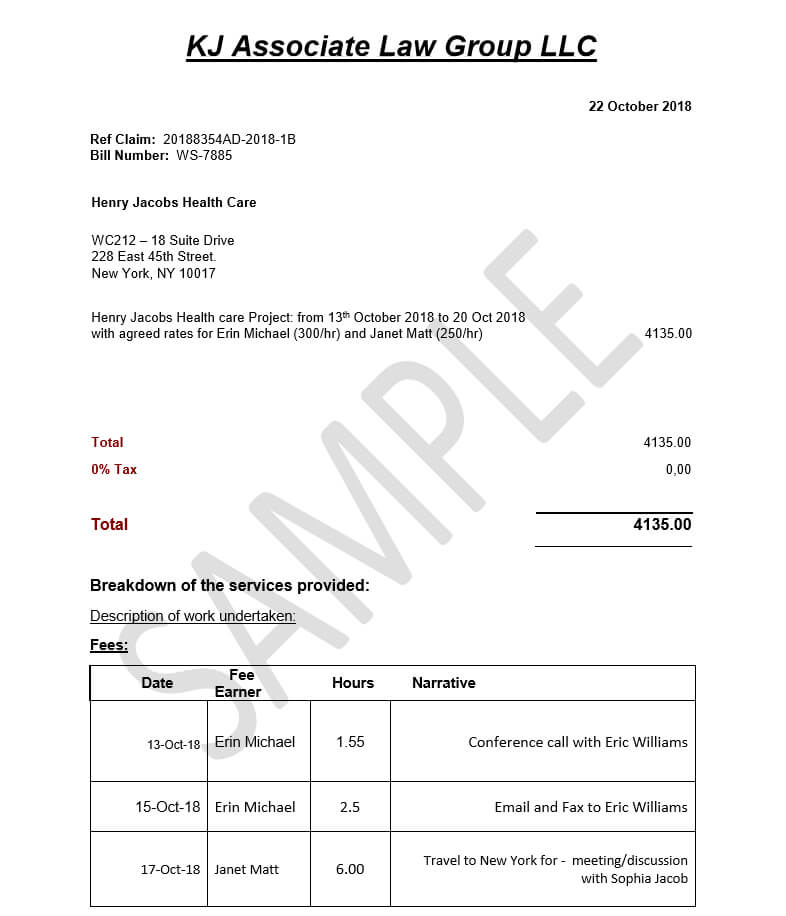
Many companies work with external law firms for specific legal matters. Legal operations can help manage relationships with these firms, track spending, monitor invoices, and understand how outside legal resources are being used.
This can also make it easier for legal teams to compare planned and actual spending and identify areas where processes can be improved.
5. Using Legal Data and Reporting
Legal departments generate a large amount of data through matters, contracts, invoices, requests, and other activities. Legal operations can organize this information and turn it into useful reports.
For example, a legal leader may want to know how many matters are open, how much the department has spent, how quickly requests are being completed, or how much work is being sent to outside counsel. Good reporting makes it easier to identify trends and make decisions based on actual department information.
What Are the Key Areas of Legal Operations?
Although legal operations can look different from one organization to another, most legal ops functions focus on a few common areas:
● Finance: Managing budgets, invoices, spending, and financial reporting.
● Technology: Selecting and managing legal technology and software.
● Data: Collecting, organizing, and analyzing legal department information.
● Process management: Improving workflows and reducing unnecessary manual work.
● Project management: Managing larger legal projects and making sure work stays on track.
● Vendor management: Managing relationships with legal service providers and outside counsel.
● People and resources: Understanding workloads and making sure the team has the resources needed to handle its work.
● Reporting: Creating useful reports and dashboards for legal and business leaders.
These areas often work together. For example, better technology can improve a legal process, which can create better data, which can then improve reporting and budgeting.
How Will Legal Operations Change in Coming Years?
Legal operations for sure, are changing as legal departments change and adopt more technology and look for better ways to handle growing workloads. Artificial intelligence is one of the major developments. Legal teams are exploring AI for tasks such as document review, legal research, summarization, information extraction, and other repetitive activities.
However, using AI in a legal department also creates new responsibilities. Legal operations teams may need to help with technology selection, data security, access controls, vendor management, policies, and processes for using AI responsibly.
At the same time, legal departments are under pressure to show how they use their budgets and resources. This makes accurate data, reporting, process improvement, and financial management increasingly important. Legal operations are therefore not only about managing administrative work. It is becoming an important part of how legal departments organize their people, technology, money, and information.

.png)