Legal Billing Process Optimization: How to Improve Accuracy and Efficiency
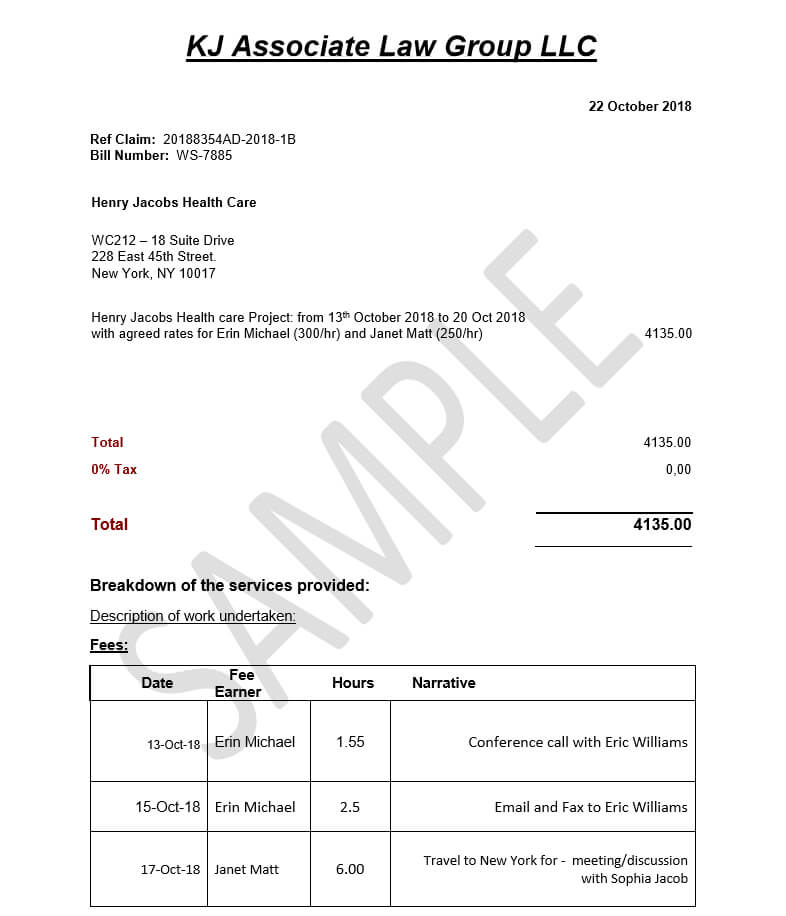
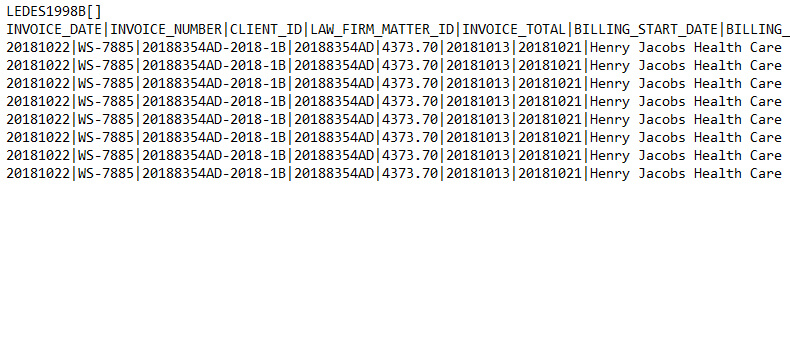
Legal invoices contain much more than the final amount a client has to pay. They can include lawyer time entries, billing rates, expenses, matter numbers, task descriptions, billing codes, discounts, and other details based on the client's billing requirements.
For a law firm handling hundreds of matters and working with multiple clients, reviewing and managing all this information can become a time-consuming and repetitive task. Even a small mistake in a time entry, billing rate, expense, or matter number can result in an invoice being returned for correction.
Legal billing process optimization focuses on making this entire process more accurate, consistent, and efficient. It involves improving the way firms record time, manage expenses, apply billing rates, review invoices, follow client billing guidelines, submit invoices, and track payments.
A well-organized billing process can reduce avoidable errors, prevent unnecessary invoice rejections, save valuable administrative time, and help firms receive payments more efficiently. But what does legal billing process optimization actually involve? Let's take a quick look.
What Is Legal Billing Process Optimization?
Legal billing process optimization means reviewing the different steps involved in legal billing and improving them so they work more accurately and efficiently. Usually, the legal billing process includes:
● Recording billable time
● Adding expenses and other charges
● Applying the correct billing rates
● Assigning matters and billing codes
● Reviewing time entries
● Checking client billing guidelines
● Preparing invoices
● Reviewing invoices before submission
● Submitting invoices to clients or e-billing platforms
● Correcting rejected invoices
● Tracking payments and outstanding balances
Each of these steps can affect the accuracy, speed, and overall quality of the final billing process. For example, if a lawyer records time under the wrong matter, the billing team may have to locate the mistake and correct it before submitting the invoice. If an invoice does not follow a client's specific billing guidelines, the client may reject it and ask the firm to make changes before payment can be processed.
An optimized billing process helps reduce these problems by creating clear procedures, improving internal checks, and using technology to handle repetitive tasks.
Why Is Legal Billing Accuracy Important?
Accurate billing is important for both law firms and their clients. Law firms need accurate invoices to collect the correct amount for the legal services they provide. Clients, on the other hand, need clear and detailed invoices that show what they are being charged for and explain the work performed.
Billing errors can lead to:
● Invoice rejections
● Delayed payments
● Additional administrative work
● Client questions and disputes
● Incorrect revenue reporting
● More time spent correcting invoices
● Problems with client relationships
Some clients also have detailed billing guidelines that outside law firms must follow. These requirements can cover time-entry descriptions, billing codes, expenses, billing rates, invoice formats, and submission methods. A consistent and well-monitored billing process makes it easier for firms to follow these requirements and submit invoices that are ready for review.
Common Problems in Legal Billing
There are some common problems that can affect the accuracy and efficiency of a legal billing process. A few among them are:
Incorrect Time Entries
Time entries are one of the main components of a legal invoice. Legal billing professionals may enter time under the wrong matter, forget to record time, enter duplicate time, or provide descriptions that do not meet the client's requirements.
When these issues are discovered during invoice review, the billing team has to spend additional time finding the problem, contacting the appropriate person, and making the necessary correction. Regular and accurate time recording can prevent many of these issues before they reach the invoicing stage.
Incorrect Billing Rates
Law firms may use different billing rates for different lawyers, clients, matters, or agreements. Using an outdated or incorrect rate can make an invoice inaccurate. The billing team may then have to review the relevant agreement, confirm the correct rate, make the adjustment, and regenerate the invoice. Maintaining accurate billing-rate information can reduce these avoidable corrections.
Manual Invoice Review
Manual invoice review can take a significant amount of time, particularly for firms that handle a large number of invoices and complex client requirements. Billing staff may need to check hundreds of entries for incorrect rates, missing information, duplicate charges, billing codes, expenses, and client-specific requirements. Manual review can identify many billing problems, but depending entirely on manual checks can make the process slower and place a heavy workload on billing teams.
Client Billing Guidelines
Large corporate clients and other organizations may have specific billing rules for their outside counsel. A client may require particular billing codes, time-entry descriptions, invoice formats, expense categories, or submission processes. If a law firm does not follow these requirements, the invoice may be rejected or returned for correction. This can delay payment and create additional work for both the law firm and the client.
Delayed Billing
Waiting too long to prepare an invoice can delay payment and make it harder for a firm to maintain a predictable cash flow. Delayed billing can also make it more difficult to identify missing time entries or remember the exact details of work completed several weeks earlier. Regular and timely billing gives firms a better opportunity to identify errors early and submit complete invoices without unnecessary delays.
How to Improve the Legal Billing Process
Law firms can improve billing accuracy and efficiency by making practical changes to their processes, internal controls, and technology.
Standardize Time Entry
Lawyers and other timekeepers should follow a consistent process when recording billable time. The firm can establish clear requirements for information such as:
● Client
● Matter
● Date
● Time spent
● Task description
● Billing code
Clear instructions make time entries more consistent and easier to review. They also reduce the amount of time billing staff spend asking lawyers to clarify or correct basic information.
Keep Billing Rates Updated
Billing rates should be reviewed and updated regularly. Firms should maintain accurate records of client agreements, lawyer rates, discounts, alternative fee arrangements, and other billing terms.
Keeping this information current reduces the risk of applying an outdated or incorrect rate when preparing an invoice. It also gives billing teams a reliable source of information when they need to verify a charge.
Use a Pre-Billing Review
A pre-billing review gives the firm an opportunity to identify potential problems before an invoice reaches the client. The review can check for:
● Missing time entries
● Duplicate entries
● Incorrect billing rates
● Incorrect matter numbers
● Unusual expenses
● Missing descriptions
● Incorrect billing codes
● Client-specific billing issues
Finding an error before submission is generally easier and less disruptive than correcting a rejected invoice later. A structured pre-billing checklist can also make the review process more consistent across different matters and clients.
Automate Repetitive Billing Tasks
Technology can reduce the amount of manual work involved in legal billing. Legal billing and e-billing systems can help firms manage time entries, expenses, billing rates, invoices, approvals, submissions, and payments. Automation can also help identify certain billing issues before an invoice is submitted. For example, a system may flag missing information, unusual entries, or billing issues that require further review.
The goal is not to automate every billing decision. Instead, firms can automate repetitive checks and allow billing professionals to focus their time on exceptions, complex billing issues, and tasks that require human judgment.
Track Invoice Rejections
Invoice rejections should not be treated as isolated billing problems. If the same type of error repeatedly causes invoices to be rejected, the firm should identify the reason and improve the process that created the problem.
For example, if invoices are regularly rejected because of incorrect billing codes, the firm can review its billing instructions, improve internal checks, and provide clearer guidance to timekeepers. Tracking rejection reasons can help firms identify recurring problems and make lasting improvements to their billing process.
How to Measure Billing Efficiency
Improving the billing process requires more than making changes and assuming that they are working. Law firms can track specific billing metrics to understand how well their process is performing. Some useful metrics include:
● Invoice rejection rate
● Number of billing corrections
● Average invoice processing time
● Time between work completion and invoice submission
● Percentage of invoices submitted on time
● Average time to payment
● Outstanding accounts receivable
● Number of rejected invoices by reason
These measurements can help legal teams identify weaknesses, monitor changes, and compare billing performance over time. For example, if invoice rejection rates decrease after a firm introduces automated billing checks, the firm has a measurable indication that the new process is helping reduce certain types of errors.
Role of Technology in Legal Billing Optimization
Technology has become an important part of modern legal billing. Law firms can use billing platforms, practice management systems, e-billing tools, and other legal technology to reduce repetitive manual work and organize billing information more effectively. These systems can help connect different parts of the billing process. Time entries, expenses, matters, billing rates, invoices, approvals, and payments can be managed through a more structured workflow.
Technology can also improve visibility. Instead of searching through emails, spreadsheets, and separate records, billing teams can use centralized systems to find invoice information, identify issues, and track the current status of an invoice. However, technology alone cannot fix a poorly designed billing process. Firms should first understand their billing requirements, identify existing problems, and establish clear workflows. They can then select and configure technology that supports those specific needs.

.png)