How to Reduce Outside Counsel Invoice Rejections
Outside counsel invoice rejections are a frequent challenge for law firms working with corporate clients. Even small errors in time entries, expense reporting, or matter details can result in automated e-billing systems rejecting invoices. Such rejections cause delays in payment, increase administrative work, and can negatively affect a law firm’s credibility. Reducing invoice rejections requires law firms to combine compliance, careful attention to detail, and structured internal processes.
1. Follow Client Billing Guidelines
Corporate clients provide detailed billing guidelines that outline allowable rates, approved personnel, task codes, and acceptable expense categories. Any deviation from these guidelines is one of the most common reasons invoices are rejected. Law firms must ensure that all billed work is authorized and that rates match previously agreed hourly fees or alternative fee arrangements. Administrative overhead or internal clerical tasks should never be billed unless explicitly allowed.
Key Actions:
• Always bill only approved rates and approved personnel.
• Verify that all work is authorized by the client before billing.
• Maintain a central reference of each client’s billing guidelines for internal verification.
Following client billing guidelines ensures invoices meet requirements before submission, reducing the risk of rejection.
2. Maintain Clear and Detailed Time Entries
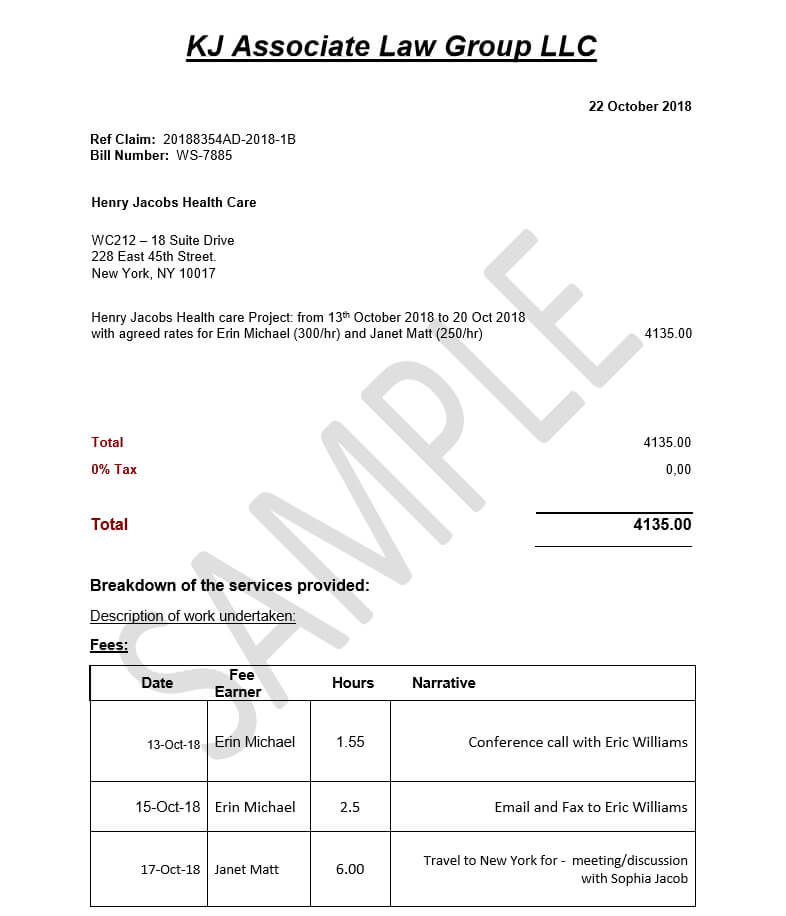
Vague or generic time entries frequently result in invoice rejections. Corporate clients and automated billing systems require task-specific descriptions that clearly justify the hours billed. Time entries such as “worked on matter” or “reviewed documents” are insufficient. Each entry should explain the actual work performed, any complexity involved, and special circumstances, such as urgent deadlines or complex legal research.
Key Actions:
• Replace vague descriptions with specific explanations of the work performed.
• Break combined activities into separate line items to improve transparency.
• Note any special circumstances to justify billed hours.
Clear and detailed time entries not only satisfy client requirements but also provide the law firm with insight into matter profitability and internal efficiency.
3. Ensure Accurate Matter and Client Information
Incorrect or incomplete matter and client information is a frequent cause of invoice rejection. Corporate clients rely on precise matter identification numbers, billing codes, and client details to process invoices. Missing or incorrect information can result in automatic rejection even if the work is legitimate.
Key Actions:
• Verify matter identification numbers and billing codes against the client records.
• Confirm that client names, billing entities, and addresses are accurate.
• Complete all required fields, including task codes and expense categories.
Ensuring accurate matter and client information creates consistency between the law firm’s internal systems and client requirements, reducing errors and delays.
4. Review Expenses Carefully
Expenses receive close scrutiny from clients, particularly reimbursable costs such as travel, lodging, and third-party services. Invoice rejections often occur when expenses are unapproved, misclassified, or lack proper documentation. Internal administrative costs or overhead should not be included as billable expenses.
Key Actions:
• Bill only approved travel, lodging, and third-party services.
• Separate disallowed overhead from billable expenses.
• Provide receipts or supporting documentation for all reimbursable expenses.
Careful expense review ensures full reimbursement for legitimate costs and prevents disputes with clients.
5. Implement Pre-Bill Review Processes
Pre-bill review processes allow law firms to identify errors before invoices are submitted. Reviewing each line of an invoice ensures time entries are clear, rates are accurate, and the matter and client information is complete. This review also verifies calculations, tax applications, and expense allocations.
Key Actions:
• Verify that time entries comply with client billing rules.
• Confirm that rates and staffing are correct for each matter.
• Check totals, taxes, and expense allocations for accuracy.
A structured pre-bill review reduces rejected invoices, speeds up approval cycles, and demonstrates diligence to clients.
6. Leverage Technology and Automation
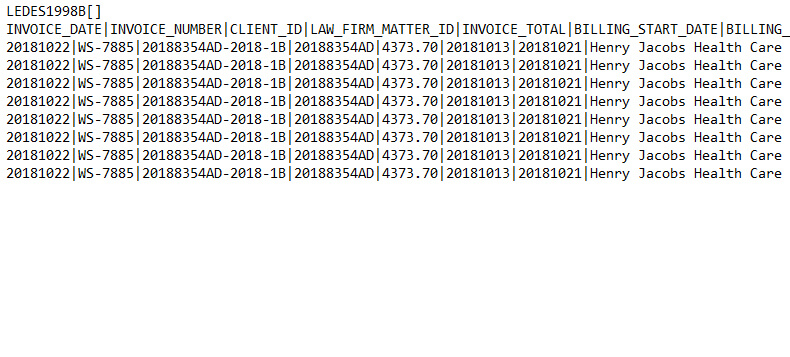
Technology can help law firms reduce invoice rejections by automating compliance checks and integrating timekeeping systems with client e-billing platforms. Automated systems can flag missing fields, incorrect codes, rate deviations, or unauthorized expenses before invoices are submitted. Analytics from these systems also allow law firms to identify recurring issues and implement process improvements.
Key Actions:
• Use automated compliance checks to catch errors before submission.
• Integrate timekeeping systems with client e-billing platforms.
• Monitor trends in invoice rejections to improve internal workflows.
Technology ensures invoices are submitted the first time correctly, reduces administrative burden, and improves operational efficiency.
7. Track and Learn from Rejections
Analyzing rejected invoices allows law firms to identify patterns and prevent recurring errors. Tracking which matters, timekeepers, or expense categories frequently lead to rejections enables targeted staff training and process refinement. Continuous improvement reduces administrative workload, improves client satisfaction, and strengthens operational discipline.
Key Actions:
• Identify patterns in rejected invoices to determine root causes.
• Provide targeted guidance or training to prevent repeat errors.
• Adjust internal workflows to address recurring issues.
Conclusion
Minimizing outside counsel invoice rejections requires strict adherence to client billing guidelines, accurate time and expense reporting, and structured pre-bill review processes. Leveraging technology to enforce compliance and analyzing past rejections further reduces errors. Implementing these practices ensures timely payments, protects firm revenue, and maintains operational efficiency.
Ready to reduce invoice rejections and protect your revenue? Implement structured pre-bill reviews, leverage automated compliance tools, and align your billing practices with client guidelines today. Contact our team to learn how your firm can streamline billing workflows and ensure faster approvals.

.png)