How to Boost Law Firm Collections with Smarter Billing Practices
Collecting payments is one of the biggest challenges law firms face. Even with all the hard work that goes into serving clients, if you can’t collect your fees on time, it can hurt your cash flow and overall profitability. Fortunately, smarter billing practices can help law firms speed up their collections and get paid faster.
In 2026, firms need to focus on improving their billing systems to ensure that they get paid accurately, on time, and without hassle. By adopting the right practices, using the right tools, and maintaining clear communication, law firms can improve their collection process and strengthen client relationships. Let’s explore how smarter billing can help boost law firm collections.
1. Implement Clear and Transparent Billing from the Start
The first step to increasing collections is to make sure your clients know exactly what they are being billed for from the very beginning. Ambiguous billing practices often lead to misunderstandings and delayed payments.
When a client signs on, make sure to discuss the billing structure clearly, whether it's hourly, flat fee, or another arrangement. Break down any potential extra costs, such as travel expenses or court fees, right at the start. This helps set proper expectations and reduces the chances of payment delays later.
Having a detailed billing agreement that outlines all of these points can act as a reference for both you and the client, minimizing confusion. The more transparent you are, the easier it is for clients to approve and pay invoices on time.
2. Use Technology to Simplify Billing and Payment Processes
These days, manual billing and paper invoices just don’t cut it. The process is too slow and prone to errors, which can lead to disputes or delays. This is why many law firms are turning to cloud-based billing platforms to streamline their collections process.
These platforms allow you to automate many parts of billing, from time tracking to invoicing, helping reduce errors and inefficiencies. For instance, automated time tracking ensures that all billable hours are captured accurately without needing to manually log each task. When everything is streamlined, you reduce the chances of missing billable time or charging incorrectly.
Most modern billing systems also integrate payment processing, enabling clients to pay online, directly through the invoice. Offering e-payment options can speed up collections significantly, with some firms seeing payment times reduced by up to 70%. Simplified payment options increase client satisfaction and help maintain a healthy cash flow.
3. Send Timely and Accurate Invoices
Once time is tracked and services rendered, it’s time to send an invoice. However, timeliness is key. Waiting too long to send an invoice can delay the payment process. The quicker you send your invoices, the quicker you can start the collection process.
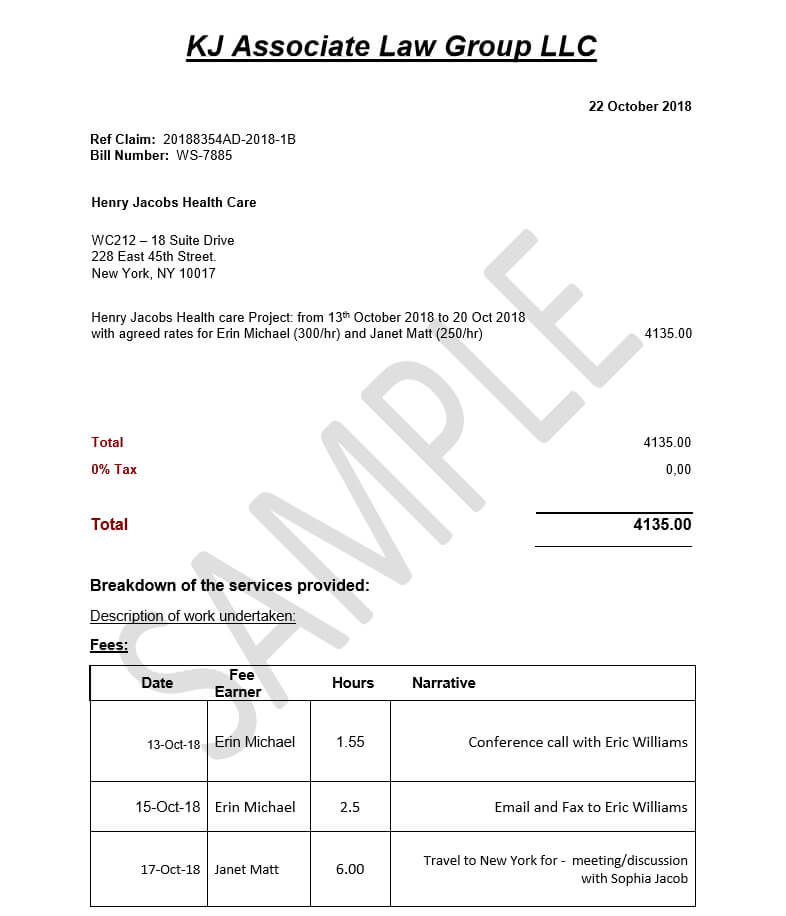
Your invoices should be detailed and accurate, listing out all work completed, expenses, and hourly rates if applicable. Make sure the invoice is easy to read and breaks down the charges clearly. This helps clients understand exactly what they are paying for, which reduces the chances of disputes or delays.
Regular invoicing also means that clients are reminded of their payment obligations and given time to plan accordingly. Setting a consistent schedule for sending invoices will help your firm stay organized and ensure payments come in on time.
4. Automate Payment Reminders
Sending payment reminders can be a big part of boosting collections. Clients sometimes forget to pay, and a simple reminder can go a long way in ensuring timely payments. Instead of relying on manual follow-ups, use automated reminders to notify clients when their invoice is due or when they’re past due.
These automated messages can be set up to go out at regular intervals, such as a week before the due date, on the due date, and then a follow-up reminder after the due date. A polite and professional reminder is a non-intrusive way to encourage clients to settle their balances on time.
If a client has made a partial payment, an automated reminder can also inform them about the outstanding balance, keeping the conversation focused and professional. Automated reminders reduce administrative effort and free up time for more important tasks, like focusing on new cases.
5. Offer Flexible Payment Options
Not every client can pay a large invoice all at once, especially in the case of long-term projects or complex legal matters. Flexible payment options can make it easier for clients to pay and reduce the likelihood of overdue payments.
One option is to offer payment plans where clients can pay in installments over a set period. This approach works well for large bills, such as those from lengthy legal cases, and allows clients to manage their finances better. Another option is accepting multiple payment methods, including credit cards, bank transfers, and online payment services, to make it as easy as possible for clients to pay.
Offer discounts for early payments or additional fees for late payments to incentivize clients to pay faster. This creates a win-win situation: clients get a better deal, and your firm gets paid on time.
6. Maintain Open Communication with Clients
Maintaining clear and open communication with clients throughout the legal process can help prevent misunderstandings that lead to delayed payments. If there’s an issue with the bill, such as a question about the hours worked or the scope of services, addressing it early helps resolve disputes before they escalate.
Regular check-ins during the case also keep clients engaged and informed, which can improve their satisfaction and make them more likely to settle their invoices promptly. If you notice a client falling behind on payments, don’t wait too long to reach out. A friendly reminder or a phone call can help resolve the situation quickly and professionally.
Being responsive to client concerns and keeping them in the loop about their case will foster trust, making it easier to get paid.
7. Track Accounts Receivable (A/R) Effectively
To manage collections, you need to have a good understanding of your Accounts Receivable (A/R). This includes knowing which invoices are overdue, how much is owed, and who has made payments recently. Keeping an eye on A/R helps you take proactive action before it becomes a bigger problem.
You can track A/R with billing software that automatically updates the status of each invoice. You’ll know exactly when to send a reminder or follow up on a payment, making it easier to keep track of what’s outstanding. Some systems also provide ageing reports, so you can identify overdue accounts and prioritize collection efforts.
8. Offer Transparent and Regular Reporting to Clients
Clients appreciate transparency when it comes to billing. Providing them with detailed, regular reports on the status of their invoices and payments helps them feel confident about their billing experience. This can be done through client portals where clients can access real-time information about their balance, payment history, and upcoming invoices.
Having these reports available at their fingertips builds trust and encourages clients to pay on time. It also allows clients to plan their payments without surprises, making the whole process smoother.
9. Evaluate and Improve Billing and Collection Processes Regularly
Finally, it’s essential to review your billing and collection processes regularly. Take time to assess where the bottlenecks are, whether it’s in the invoicing process, client communication, or payment follow-ups. Ask yourself, “Are there areas where we can improve?”
By analyzing your workflow, you can identify weak points and adjust accordingly to boost collections. For example, you might find that clients are more likely to pay if you send invoices in a particular format or after a certain amount of time. By testing and optimizing these processes, you can increase your firm’s collection efficiency over time.
Conclusion
In 2026, law firms must take an active approach to collections if they want to improve cash flow and reduce the time spent on chasing unpaid invoices. By using smarter billing practices, such as automating reminders, offering flexible payment options, improving client communication, and using the right technology, law firms can get paid faster, reduce disputes, and improve client relationships.
If you want to improve your firm's collection practices, optimize your billing systems, and streamline the invoicing process, feel free to connect with Accurate Legal Billing.
As a leading AI-powered legal software company that provides a platform for law firms to manage time tracking, invoicing, and billing, we can help you implement smarter billing strategies that will help your firm collect payments more efficiently and improve overall profitability. For more details, schedule a call now.

.png)