How LEDES Billing Helps Corporate Legal Compliance
Legal billing is no longer just about sending invoices and collecting payments. Today, corporate legal departments must carefully monitor legal expenses, follow internal financial policies, and ensure that all billing activities meet company requirements. At the same time, law firms are expected to submit invoices that are accurate, transparent, and compliant with client guidelines. When billing information is incomplete, inconsistent, or submitted in the wrong format, it can create delays, disputes, and compliance challenges. This is one of the main reasons why LEDES billing has become an important part of modern legal operations.
What Is LEDES Billing?
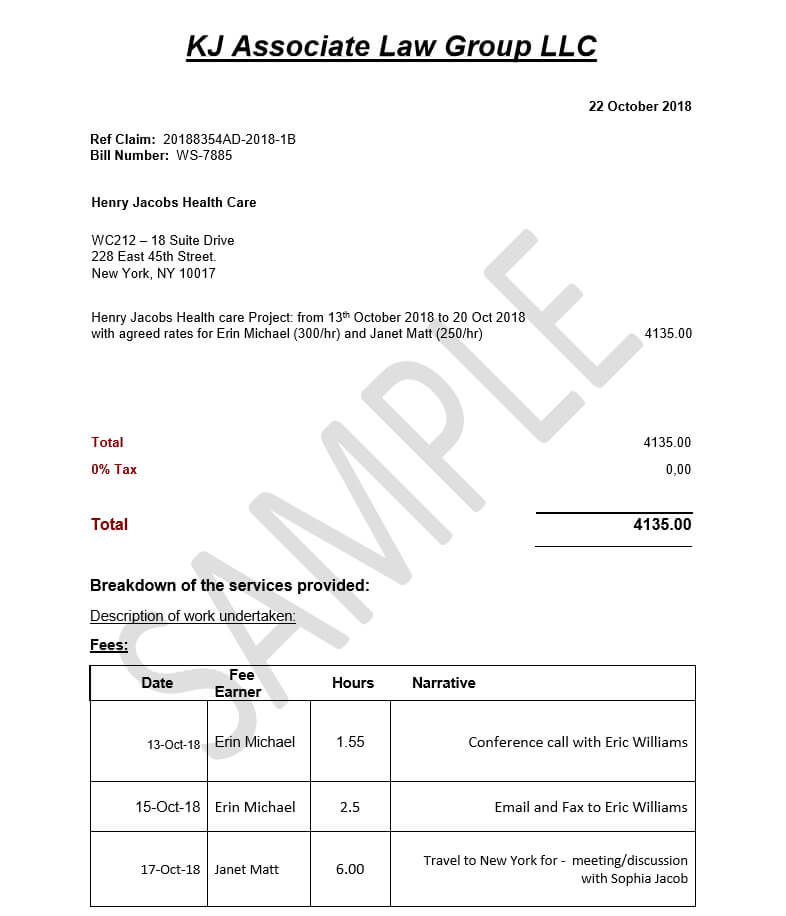
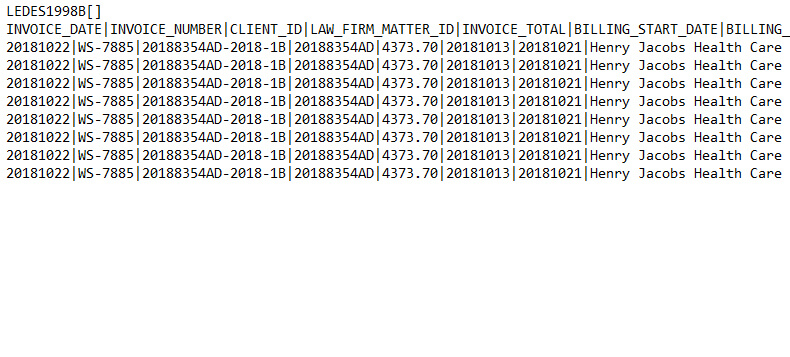
LEDES, or Legal Electronic Data Exchange Standard, is a standardized format used for electronic legal invoices. It was created to make legal billing more organized, consistent, and easy to review. Instead of receiving invoices in different formats from different law firms, corporate legal departments can receive billing information in a single, structured format. This helps simplify the review process and ensures that important billing details are presented clearly and consistently.
How Does LEDES Billing Support Compliance?
Corporate legal compliance depends on accurate records, proper documentation, and adherence to established billing guidelines. When legal invoices arrive in different formats or contain missing information, it becomes more difficult for legal departments to verify charges and ensure compliance. LEDES billing solves this problem by creating a standard way to record and submit billing data. Because every invoice follows the same structure, organizations can review and manage legal expenses more effectively while maintaining compliance with internal policies and client requirements.
• Improves Billing Accuracy
One of the biggest benefits of LEDES billing is improved accuracy. The standardized format requires specific billing information to be included in each invoice, reducing the chances of errors, omissions, and inconsistent entries. Accurate invoices make it easier for legal departments to review charges, approve payments, and maintain reliable financial records. This not only supports compliance efforts but also helps reduce billing disputes between law firms and their clients.
• Creates Greater Transparency
Transparency is a key part of corporate compliance. Companies need a clear understanding of the legal services they are paying for and how legal costs are being managed. LEDES billing provides detailed information about legal work performed; time spent on tasks, professional fees, and related expenses. Because the information is organized in a consistent format, legal departments can quickly review invoices and gain better visibility into legal spending.
• Helps Enforce Billing Guidelines
Many corporate clients have specific billing rules that outside counsel must follow. These guidelines may cover billing codes, expense limits, staffing requirements, and invoice submission procedures. LEDES billing helps law firms meet these requirements by ensuring that invoices contain the necessary information in the correct format. This makes it easier for legal departments to verify compliance and reduces the risk of invoice rejections or payment delays.
• Makes Audits and Reviews Easier
Regular audits and financial reviews are essential for maintaining compliance and controlling legal costs. When invoice data is scattered across multiple formats, reviewing records can be time-consuming and difficult. LEDES billing simplifies this process by providing standardized data that can be easily searched, analyzed, and reported. This allows organizations to identify potential issues more quickly, maintain accurate records, and demonstrate compliance when needed.
• Supports Better Financial Management
Beyond compliance, LEDES billing also helps organizations manage legal spending more effectively. Standardized billing data allows corporate legal departments to track expenses, monitor budgets, and analyze spending trends across different matters and law firms. With better access to billing information, organizations can make more informed financial decisions while maintaining stronger control over legal costs.
• Improves Efficiency for Law Firms and Clients
LEDES billing benefits both law firms and corporate clients by streamlining the invoicing process. Standardized invoices are easier to review, approve, and process, reducing administrative work on both sides. Faster invoice processing can lead to quicker approvals and payments, creating a smoother billing experience while supporting compliance objectives.
Conclusion
With corporate legal departments under growing pressure to manage expenses, maintain compliance, and ensure greater transparency, the need for standardized billing practices continues to increase. LEDES billing helps address these challenges by providing a structured and consistent format for legal invoicing. It improves invoice accuracy, makes billing information easier to review, supports audit processes, and helps organizations adhere to established billing guidelines. As a result, LEDES billing has become an effective tool for strengthening corporate legal compliance while streamlining billing operations. For both law firms and corporate clients, it offers a more efficient and organized approach to managing legal invoices and financial reporting.
.png)