How Law Firms Can Reduce Outstanding AR
Accounts Receivable (AR) refers to the money clients owe a law firm for legal services that have already been provided. Every law firm has some level of outstanding AR, but when unpaid invoices start piling up, they can create serious cash flow problems.
Many firms focus heavily on generating new business and serving clients, but spend less time managing collections. As a result, invoices remain unpaid for weeks or months, making it harder for the firm to maintain steady revenue. Reducing outstanding AR is not simply about collecting overdue payments. It is about creating billing and payment processes that encourage clients to pay on time.
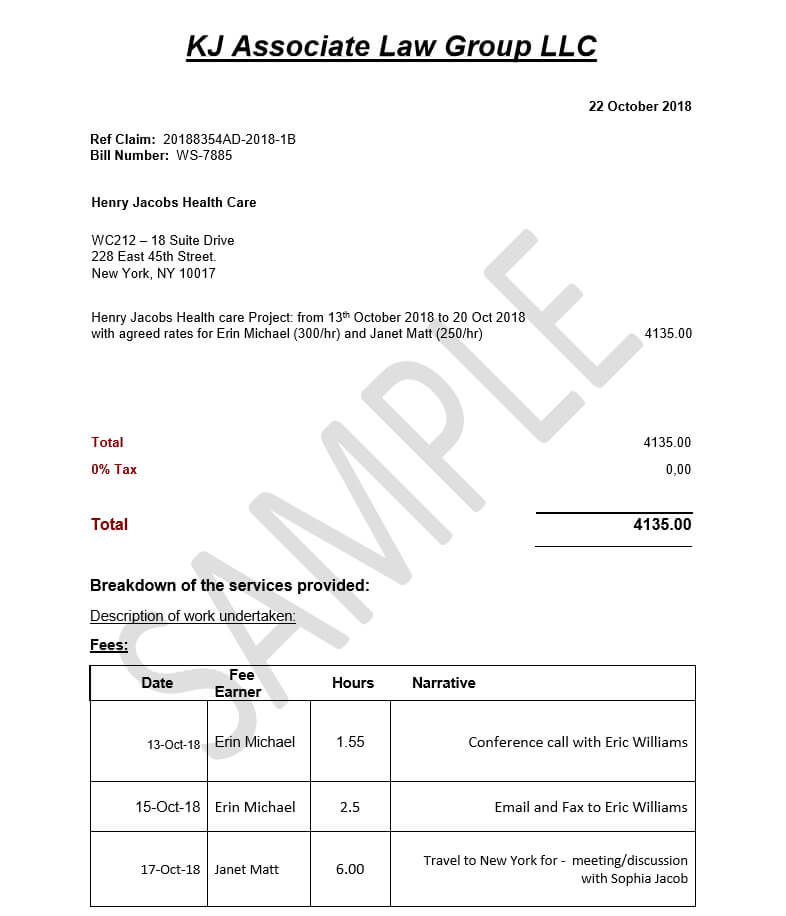
• Send Invoices Without Delay
One of the easiest ways to reduce outstanding AR is to invoice clients as soon as possible.
Many law firms lose valuable time between completing legal work and sending invoices. The longer the delay, the longer clients have to wait before making payment. In some cases, clients may even forget details about the work performed, leading to questions and payment delays.
Prompt invoicing helps keep matters fresh in the client's mind and starts the payment cycle sooner.
• Make Payment Terms Clear
Clients should know exactly when payment is expected.
If payment terms are vague or unclear, clients may assume they have more time than intended. Clear payment deadlines should be included in engagement letters, invoices, and client communications.
When expectations are established from the beginning, there is less confusion later.
• Follow Up on Overdue Invoices
Many overdue invoices remain unpaid simply because no one follows up.
Clients are busy, and sometimes invoices get overlooked. A polite reminder can often be enough to trigger payment. Waiting several months before reaching out usually makes collections more difficult.
Regular follow-ups help keep unpaid balances from growing into larger problems.
• Offer Convenient Payment Options
The easier it is for clients to pay, the faster payments are usually received.
Many clients prefer online payments rather than mailing checks or arranging bank transfers. Offering multiple payment options can remove barriers that may slow down payment.
Convenience often plays a bigger role in collections than many firms realize.
• Monitor Aging Reports Regularly
Outstanding AR should never be ignored.
Law firms should regularly review aging reports to see which invoices are unpaid and how long they have been outstanding. An invoice that is 30 days overdue is generally much easier to collect than one that has remained unpaid for six months.
Regular monitoring allows firms to identify potential issues before they become serious collection problems.
• Resolve Billing Questions Quickly
Clients sometimes delay payment because they have questions about an invoice.
They may want clarification about charges, expenses, or specific legal work. If these concerns are not addressed quickly, payment often gets postponed.
Responding promptly to billing inquiries helps prevent small questions from turning into long payment delays.
• Use Retainers Whenever Possible
Retainers can significantly reduce outstanding AR. Law firms reduce the risk of unpaid balances later by collecting funds upfront. Retainers also provide a source of funds that can be applied to future legal work as it is completed.
Many firms find that retainers improve both cash flow and collection rates.
• Review High-Risk Accounts Early
Some clients consistently pay late, while others may show signs of financial difficulty early in the relationship.
Monitoring payment patterns can help firms identify accounts that may require closer attention. Addressing potential issues early is often much easier than trying to recover large overdue balances later.
Prevention is usually more effective than collection.
• Keep Billing Consistent
Clients are more likely to pay on time when billing is predictable.
A firm that invoices regularly creates a routine that clients become accustomed to. In contrast, irregular billing often leads to confusion and delayed payments.
Consistency helps both the law firm and the client stay organized.
• Build Strong Client Relationships
Good client relationships can have a positive impact on collections.
Clients who trust their lawyers and feel informed throughout the legal process are generally less likely to dispute invoices. Clear communication, transparency, and professionalism help create stronger relationships and smoother payment experiences.
While strong relationships alone cannot eliminate overdue invoices, they often make payment discussions much easier.
Reducing outstanding AR is not about chasing clients for payment. It is about creating systems and habits that encourage timely payments from the start.
Prompt invoicing, clear payment terms, regular follow-ups, convenient payment options, and consistent billing practices can all help reduce outstanding balances. Firms that actively manage their AR are often better positioned to maintain healthy cash flow, reduce financial stress, and focus more of their time on serving clients.

.png)