How Integrated Billing and Case Management Platforms Improve Productivity for Law Firms
Managing cases and billing in a law firm can be complicated, time-consuming, and prone to mistakes. However, with the rise of Integrated Billing and Case Management Platforms, many law firms are finding more efficient, streamlined ways to work. These platforms combine both case management and billing functions into one system, helping law firms run more smoothly, save time, and improve accuracy.
In this blog, we’ll break down what these platforms are, how they work, and the benefits they offer to law firms in terms of improving productivity and simplifying day-to-day tasks.
What Are Integrated Billing and Case Management Platforms?
An Integrated Billing and Case Management Platform represents a comprehensive software solution that amalgamates two critical functions pivotal to the operation of law firms: case management and billing. This platform facilitates the management of legal cases through features such as task management, document storage, communication, and tracking of both clients and cases. Simultaneously, it oversees essential billing-related tasks, including expense management, time tracking, and invoice generation, among others.
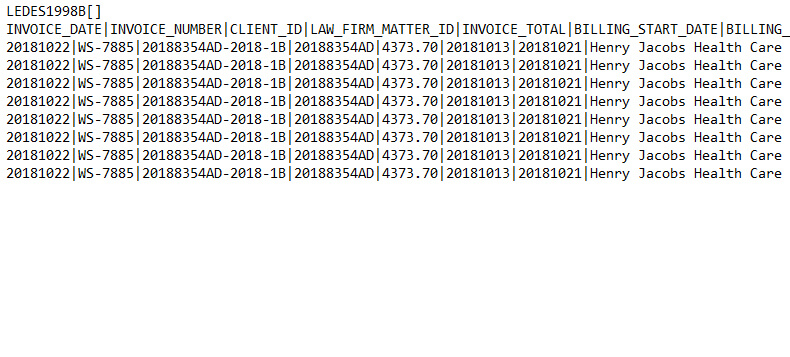
In essence, this tool empowers law firms to monitor the progression of legal cases while systematically managing client invoices, payments, and other financial responsibilities. By integrating these functionalities within a single platform, law firms can enhance operational efficiency and mitigate the potential for errors that may arise from utilizing disparate tools for case management and billing.
What Are the Key Benefits of Integrated Billing and Case Management Platforms?
Now that we know what these platforms are, let’s look at how they can benefit law firms. Here are the main advantages:
1. Saves Time and Reduces Repetition
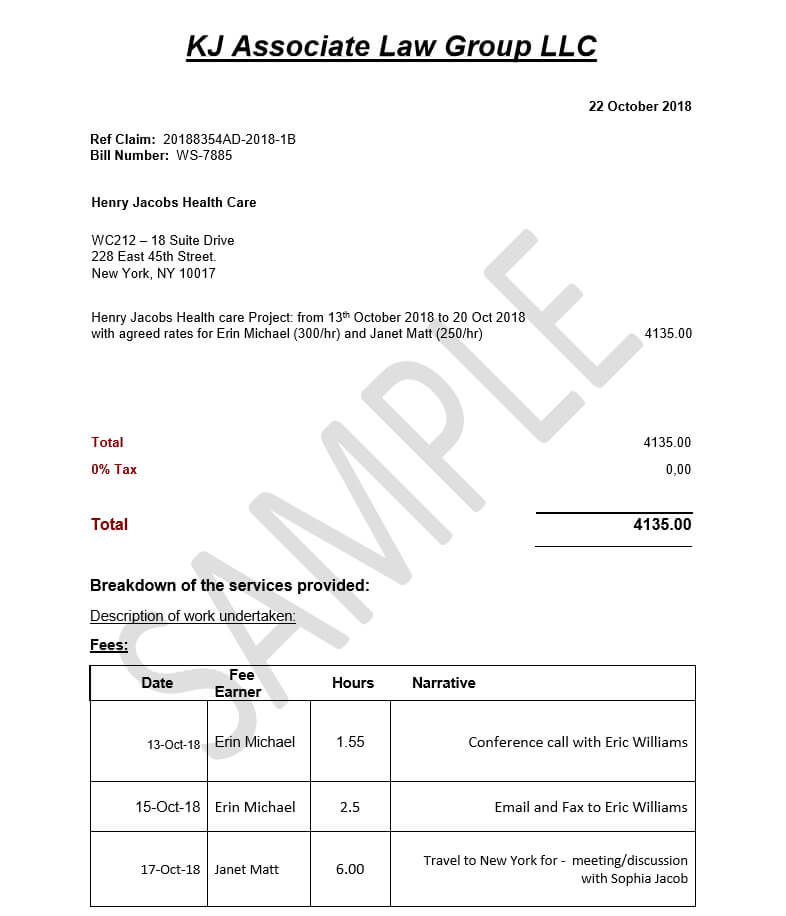
One of the biggest benefits is that these platforms save time. In traditional systems, lawyers and staff have to enter the same information in separate tools, one for managing the case and another for billing. This can be repetitive and time-consuming.
With an integrated system, once a detail like the amount of time spent on a case is entered, it automatically gets added to the client’s invoice. This means there’s no need to manually copy data from one system to another. Time saved means more time spent on actually practicing law and helping clients.
2. Improved Billing Accuracy
Billing is a critical part of any law firm, but it’s also one of the most complicated. Lawyers often track billable hours, expenses, and fees separately, and mistakes can easily happen. These mistakes can lead to delays in payments or even client disputes.
An integrated system makes billing more accurate by automatically linking time spent on cases and expenses directly to the invoice. This ensures that everything is correct, up-to-date, and nothing gets missed.
3. Better Client Communication
Clients appreciate transparency, especially when it comes to billing. If clients can see exactly what they’re being charged for and how their case is progressing, it can reduce confusion and build trust.
Integrated platforms often come with client portals where clients can log in and view their case status, track hours worked, and see their payment history. This gives clients real-time access to all the information they need without having to contact the firm.
4. Improved Collaboration Within the Team
In law firms, multiple people, lawyers, paralegals, assistants, and billing teams, often need to work together on a single case. An integrated platform ensures that everyone has access to the same information. This makes it easier for teams to collaborate and reduces the risk of miscommunication or errors.
For example, if a lawyer updates a case detail, the billing team can immediately see those changes. Similarly, if the finance team receives a payment, the case management team is notified. This makes everything more streamlined and efficient.
5. Cost Savings
Maintaining multiple software tools for case management, billing, and communication can be costly. By using an integrated system, law firms can reduce the need for separate software tools, cutting down on both licensing fees and maintenance costs.
Additionally, since many tasks are automated, firms need fewer administrative staff to handle time tracking and billing, which reduces labor costs.
6. Easy Access to Reports and Data
Integrated platforms offer detailed reports that help law firms understand their financial health and case progress. For example, you can quickly see how many billable hours have been worked, which clients are paying on time, or which cases are costing the most resources.
These reports allow law firms to make better decisions based on real data. Managers can use this information to spot trends, allocate resources more efficiently, and plan for the future.
Conclusion
These days, law firms are under constant pressure to increase efficiency and reduce overhead costs. Integrated billing and case management platforms help law firms do just that by combining two essential functions, case management and billing, into a single, streamlined system.
With benefits like time savings, improved billing accuracy, better client communication, and reduced costs, these platforms make managing a law firm easier and more efficient. For law firms looking to improve productivity, reduce errors, and enhance client satisfaction, investing in an integrated platform is a smart choice. For more details, get in touch with us now.

.png)