How Can Companies Ensure Outside Counsel Compliance Through E-Billing Software in 2026?
One of the most common frustrations inside corporate legal departments is not the size of legal bills, but the inconsistency of those bills. Two law firms may be working on similar matters, yet their invoices look completely different. Descriptions vary, billing rules are interpreted differently, and charges sometimes appear that were never approved in the first place.
Over time, these inconsistencies create confusion, delay invoice approvals, and weaken trust between companies and their outside counsel. As legal departments grow and work with more firms across multiple jurisdictions, maintaining consistent billing practices becomes increasingly difficult.
This is where modern e-billing software has started to play an important role. Instead of relying on scattered emails, manual checks, or spreadsheets, organizations can use structured systems to ensure that billing expectations are clear and consistently followed.
Legal billing specialists such as Accurate Legal Billing often point out that compliance improves significantly when expectations are built directly into the billing process rather than communicated only through policy documents.
Why Is Outside Counsel Billing Compliance Such a Challenge?
The difficulty lies in the nature of legal work itself. Companies often work with multiple law firms at the same time, sometimes across different countries or practice areas. Each firm has its own internal billing practices, timekeeping habits, and administrative procedures.
Research from the Association of Corporate Counsel consistently shows that outside counsel represents a major portion of corporate legal spending. Because so much of the legal budget flows through external firms, even small billing inconsistencies can have noticeable financial consequences.
Another challenge is that billing guidelines, while detailed, are not always enforced consistently. A guideline document may exist, but if invoice review happens under time pressure, certain rules may be overlooked.
Without a structured system supporting the process, compliance becomes dependent on individual reviewers rather than on consistent organizational standards.
You may be interested in reading: How to Automate OCG Compliance Using e-Billing Software
How Does E-Billing Software Establish Clear Billing Expectations?
One of the first ways e-billing software improves compliance is by setting clear expectations before invoices are even submitted.
Instead of sending guidelines once and hoping firms follow them, organizations can configure billing rules directly within the system. There are some reliable tools like ALB 1.0 automated bill review software to help with live-time entry compliance.
When firms prepare invoices, those invoices must pass through predefined checks before they can move forward in the review process.
This creates a practical structure that benefits both sides. Law firms understand the format and information required, while legal departments receive invoices that are easier to review and compare.
Clear expectations reduce misunderstandings and prevent many issues from arising in the first place.
How Can Automated Rule Checks Improve Compliance?
Automated rule enforcement is one of the most powerful aspects of modern e-billing platforms. The system can examine invoice entries and compare them with the organization’s billing policies.
For example, the software may check whether:
• billing rates match agreed arrangements
• required task codes are used
• descriptions contain sufficient detail
• certain types of charges appear where they should not
When an entry violates a rule, the system can flag it or return the invoice for correction. This immediate feedback encourages law firms to follow billing requirements more carefully.
Over time, automated checks help establish a culture of consistency. Firms learn how invoices should be structured, and legal departments spend less time correcting preventable issues.
Why Is Transparency Important for Maintaining Compliance?
Compliance is not only about enforcing rules; it is also about ensuring that those rules are clearly understood.
E-billing systems provide visibility into how invoices are processed and why certain entries are questioned. Both legal departments and law firms can see which rules apply and how they affect invoice approval.
This transparency helps avoid unnecessary conflict. When adjustments are made through a structured process rather than informal discussions, firms are more likely to accept and adapt to the expectations.
Industry analysis from a mainstream survey has shown that data transparency is becoming a central component of legal operations management. As organizations rely more on measurable insights, structured billing data becomes increasingly valuable.
How Do Standardized Billing Formats Support Compliance?
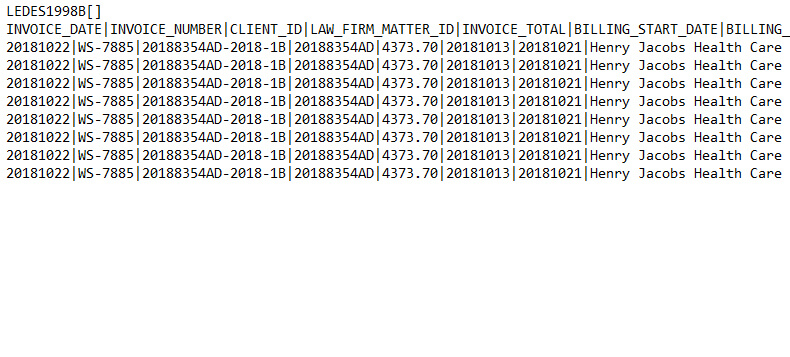
Another way e-billing software strengthens compliance is through standardization. When every law firm submits invoices using the same structured format, reviewing those invoices becomes far more efficient.
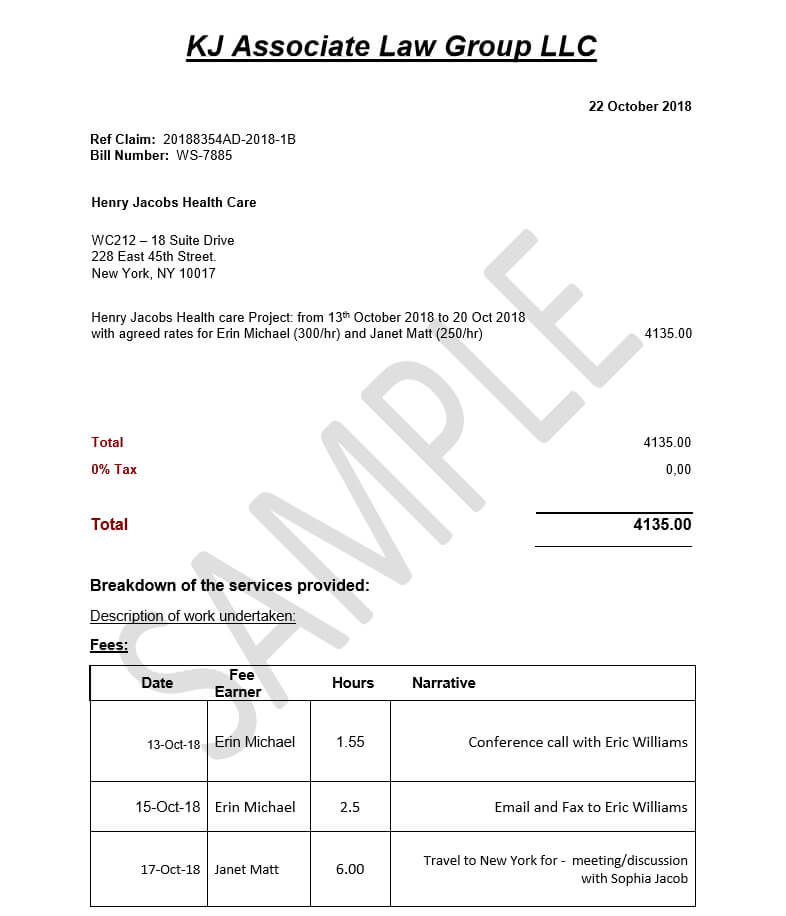
Standardized formats ensure that key details appear in predictable locations, including timekeeper names, task descriptions, billing rates, and expenses. This consistency allows automated checks to function effectively and helps reviewers evaluate invoices more quickly.
Without standardization, legal departments may spend unnecessary time trying to interpret differently formatted invoices from multiple firms.
By establishing uniform submission requirements, organizations reduce confusion and streamline the entire billing workflow.
How Can Reporting Tools Reveal Compliance Problems Early?
One advantage of e-billing platforms that is often overlooked is the ability to analyze billing behavior over time.
Instead of reviewing each invoice in isolation, legal departments can examine broader trends. Reporting tools may show whether certain firms frequently submit invoices requiring adjustments, whether particular types of entries repeatedly violate guidelines, or whether certain matters consistently exceed budget expectations.
These insights allow legal teams to address issues early. Rather than waiting for billing problems to accumulate, organizations can have informed discussions with law firms and clarify expectations.
This proactive approach improves long-term working relationships while protecting the company’s legal budget.
Why Do Law Firms Also Benefit From E-Billing Compliance Systems?
While compliance systems are often introduced by corporate clients, law firms can also benefit from the structure they provide.
When billing expectations are clear and consistent, firms spend less time responding to invoice questions or resubmitting corrected bills. The approval process becomes faster and more predictable.
Firms also gain better insight into what clients expect from their billing practices. Over time, this clarity can strengthen client relationships and reduce administrative friction.
In many cases, what begins as a compliance initiative ultimately improves collaboration between legal departments and their external counsel.
How Will Compliance Technology Continue to Evolve?
Looking ahead, compliance tools are likely to become more intelligent and more integrated into broader legal operations systems. Artificial intelligence and advanced analytics may help identify emerging billing patterns and suggest improvements to billing policies.
At the same time, the human element will remain essential. Compliance involves not only technology but also communication, trust, and professional judgment.
Organizations that combine structured systems with clear communication tend to achieve the best results. E-billing software provides the framework, but successful compliance ultimately depends on how that framework is used.
Final Thoughts
Outside counsel relationships are among the most important partnerships a corporate legal department manages. Ensuring that billing practices remain transparent, consistent, and aligned with expectations is therefore critical.
E-billing software provides a practical way to support this goal. By establishing clear rules, applying automated checks, and offering meaningful insight into billing patterns, these systems help organizations maintain control over legal spending while preserving strong relationships with their law firms.
When implemented thoughtfully, compliance tools do more than prevent billing errors. They create a more organized, predictable, and professional billing environment for everyone involved.
.png)