Billing and e-Billing Services for Law Firms
Billing and e-billing services are an important part of modern legal operations in the United States. These services help law firms manage invoicing, payment tracking, billing records, and electronic invoice submissions in a more structured and organized manner.
Over the years, legal billing has become more detailed and compliance-focused. Many corporate legal departments, insurance companies, and third-party administrators now require law firms to follow specific billing guidelines and standardized invoice formats. As a result, many law firms use billing and e-billing support services to improve billing accuracy, maintain compliance, and reduce administrative workload.
Billing and e-billing processes are commonly used in law firms of different sizes, especially those handling large volumes of invoices or working with clients that require detailed billing review procedures.
What Are Billing Services?
Billing services refer to the processes and administrative support used to manage legal invoicing and financial transactions within a law firm.
These services generally help law firms organize and maintain billing-related activities such as:
• Recording billable time
• Tracking legal expenses
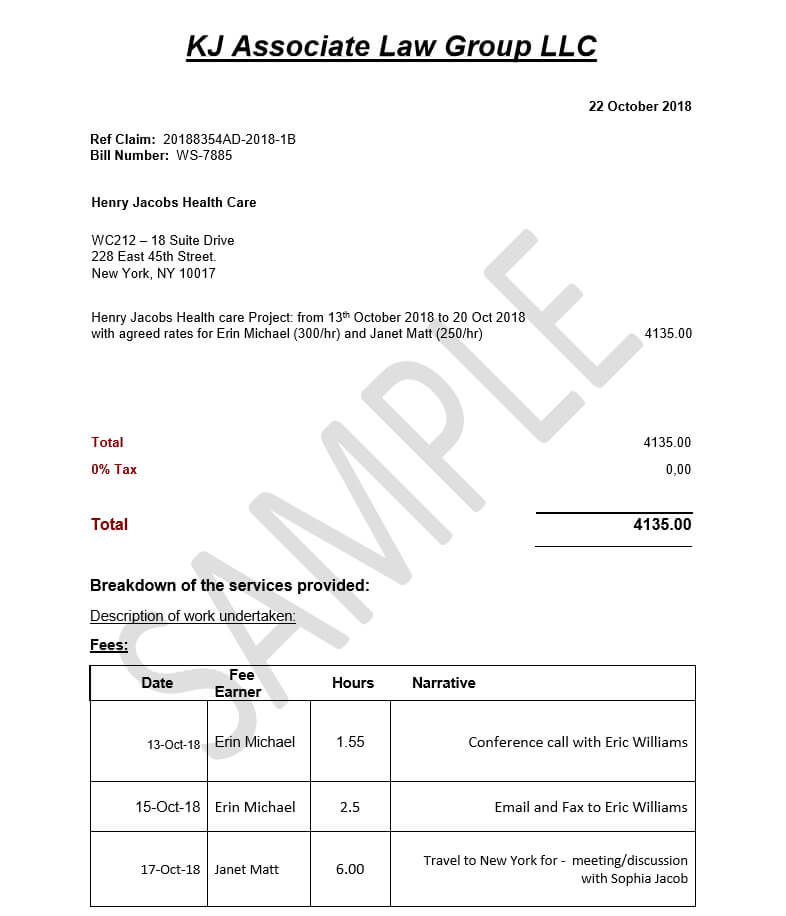
• Preparing client invoices
• Reviewing billing entries
• Managing payment records
• Monitoring outstanding balances
Legal billing often requires detailed documentation of legal work, time entries, and case-related expenses. Because of this, billing processes are usually handled through structured workflows to help maintain billing accuracy and consistency.
Proper billing management is important for maintaining organized financial operations and supporting timely payment collection.
What is e-Billing?
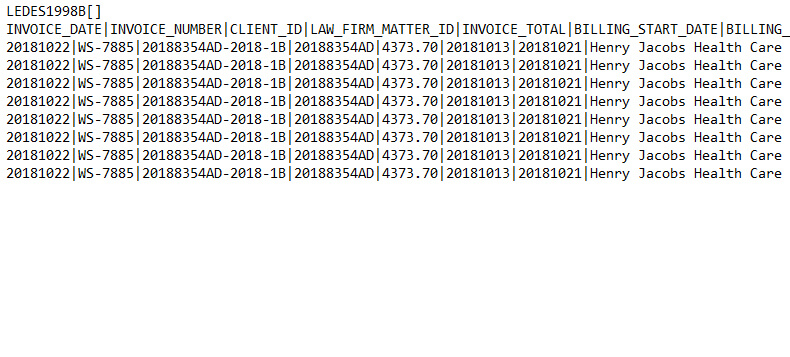
e-Billing, also known as electronic billing, is the process of submitting legal invoices electronically through digital billing systems instead of using paper-based or manual billing methods.
In many cases, clients require invoices to be submitted through electronic billing platforms that follow specific billing rules and formatting requirements.
e-Billing systems are commonly used to submit invoices electronically, review invoice details, track invoice status, manage billing approvals, monitor legal spending, maintain billing records, etc. These systems help create a more standardized and transparent billing process between law firms and clients.
Difference Between Billing and e-Billing
Billing and e-billing are closely related, but they are not exactly the same.
Traditional billing mainly focuses on preparing invoices, tracking billable work, and managing payments within the law firm.
e-Billing extends this process by allowing invoices to be submitted, reviewed, and managed electronically through online systems used by clients or organizations.
These days, in many legal environments, billing and e-billing processes work together as part of the overall financial workflow of a law firm.
Common Functions of Billing and e-Billing Services
Billing and e-billing services support several important parts of legal financial management.
• Time and Expense Tracking
These services help record billable hours, legal tasks, and case-related expenses in a structured format. Accurate time and expense tracking is important because legal invoices are often based on detailed work records.
• Invoice Preparation
Invoices are prepared using billing records, hourly rates, expense details, and client billing requirements. Proper invoice preparation helps improve billing clarity and consistency.
• Electronic Invoice Submission
e-Billing workflows allow invoices to be submitted electronically through digital billing systems instead of manual submission methods.
This process helps improve organization and tracking throughout the billing cycle.
• Billing Compliance Review
Many clients require invoices to follow specific billing guidelines related to time entries, expense policies, billing codes, and invoice formatting.
Billing review processes help identify errors or compliance issues before invoices are submitted.
• Invoice Tracking and Payment Monitoring
Billing workflows may also include monitoring invoice approvals, payment status, outstanding balances, and billing reports.
This helps law firms maintain better visibility into financial operations and payment activity.
Importance of Billing Compliance
Billing compliance has become an important part of legal billing operations.
Many organizations follow detailed billing policies that law firms are expected to follow carefully. Invoices that contain incorrect billing entries, formatting issues, or missing information may be delayed, reduced, or rejected during the review process.
Because of this, many law firms focus on reviewing invoices carefully before submission to improve billing accuracy and reduce payment delays.
Structured billing review processes can also help improve communication between law firms and clients regarding invoice expectations and billing standards.
Benefits of Billing and e-Billing Services
Well-managed billing and e-billing processes can provide several operational and financial benefits for law firms. Some of the common benefits include improved billing accuracy, reduced invoice errors, faster invoice processing, better payment tracking, reduced administrative workload, more organized billing workflows, improved billing compliance, better financial visibility, etc. These services also help law firms manage increasingly detailed client billing requirements in a more efficient and consistent manner.
Conclusion
Billing and e-billing services play an important role in modern legal financial management. As legal billing requirements continue to evolve, many law firms use structured billing support processes to improve invoice accuracy, maintain compliance, and support more organized financial operations.
Understanding how billing and e-billing services function can help law firms build more efficient billing workflows while improving billing consistency and payment management.
.png)