Automated Invoicing and Invoice Review for Law Firms
Law firms today are under more pressure than ever to deliver billing that is fast, accurate, and easy for clients to understand. Many still use manual billing systems that involve handwritten notes, spreadsheets, and email chains. These outdated steps can lead to mistakes, delays, and frustration. Automated invoicing and automated invoice review use legal technology (legal tech), AI tools, and billing automation engines to solve these issues. Here is a quick read on what automated invoicing is, how it works, and why it can greatly improve a law firm’s billing workflow.
What Is Automated Invoicing?
Automated invoicing is the use of software automation to create and review invoices with very little manual work. Instead of relying on people to gather time entries, calculate totals, and check compliance, the system uses automation rules, data validation, and structured workflows to perform most of the steps automatically.
The main purpose of automated invoicing is to make billing faster, more consistent, and more accurate. Manual billing often leads to inconsistencies; for example, different bill reviewers may use different billing standards when checking entries. Automated bill review systems apply the same compliance rules and billing policies every time, which improves data integrity and reduces human errors.
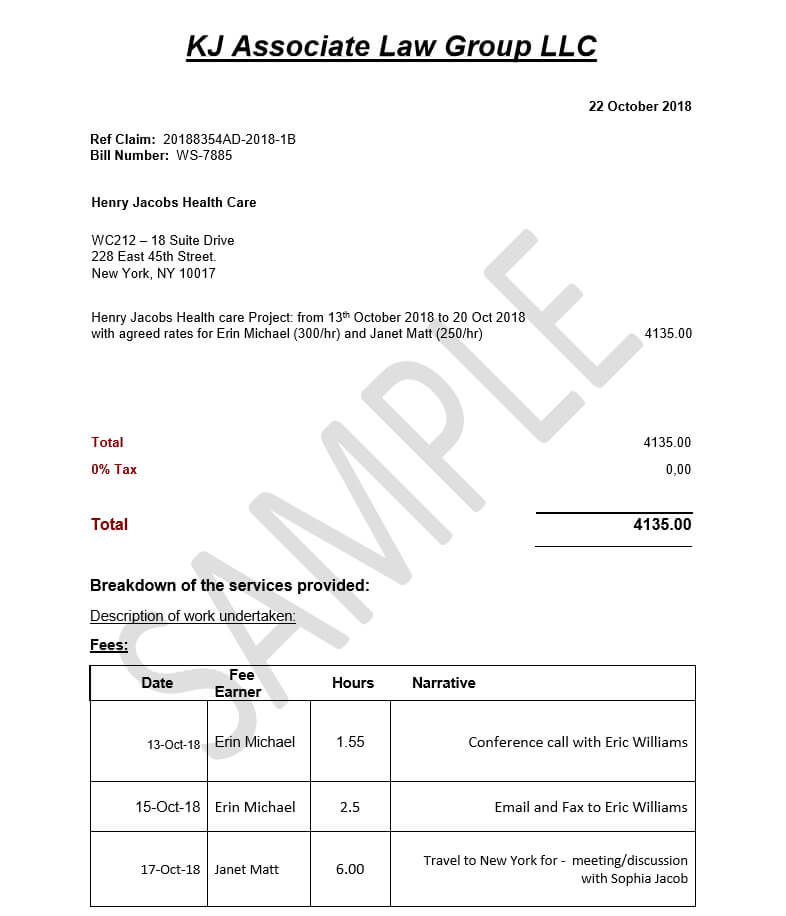
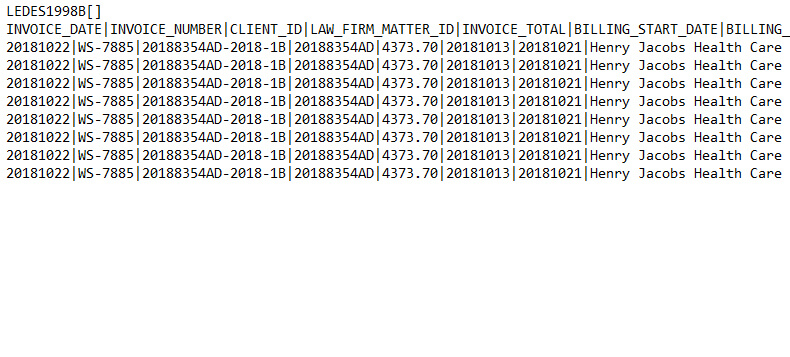
Automated invoicing also helps firms meet growing client expectations. Many modern clients want invoices that follow industry formats such as LEDES and include proper UTBMS codes. Automated systems generate invoices that follow these standards automatically, making the billing easier to read and understand.
How Automated Invoices Are Created
Creating automated invoices involves a smooth and structured digital workflow. While each software system is slightly different, most follow a similar process supported by data processing, logic-based checks, and AI-driven analysis.
The process begins with data collection, where the system automatically pulls information from timekeeping software, calendars, expense records, and case management tools. This includes time entries, expenses, billing rates, matter data, and required task codes. Because the data is captured directly, it greatly improves accuracy and reduces manual entry errors.
Next comes data checking, also known as validation. The system examines the time entries for issues such as missing descriptions, incorrect UTBMS codes, vague wording, or unusually long entries. These automated compliance checks prevent small mistakes from becoming bigger problems later.
The system then generates a draft invoice, automatically applying the correct rates, adding up totals, and formatting the document based on firm rules or client guidelines. Many systems also support LEDES invoice generation, making it easier to submit invoices to corporate clients and e-billing platforms.
Before the invoice is ready for approval, the software performs an automated invoice review, where it looks for things like block billing, disallowed tasks, duplicate entries, or entries that don’t match client billing rules. Some systems use AI or machine learning models to detect unusual patterns or inconsistent billing behavior.
And finally, after a brief human review, the invoice moves through the approval workflow and is sent to the client or uploaded automatically to their e-billing portal.
What Are the Key Features?
Automated invoicing software comes with several helpful features that make billing simpler, quicker, and more accurate. Many of these features are powered by AI, machine learning, and business logic engines.
A major feature is automated time capture, which tracks attorney activity by pulling data from emails, documents, calendars, and other digital tools. This helps ensure accurate time recording without relying heavily on manual input.
Another important feature is rule-based validation, where the system checks every entry using built-in billing rules such as client guidelines, UTBMS coding rules, and internal policies. This ensures consistent compliance before the invoice even reaches a reviewer.
Some systems provide AI-powered invoice review, where machine learning models compare current time entries to historical patterns. This helps identify entries that may be too long, inconsistent, or unclear.
Other important features include:
• Duplicate entry detection for catching repeated charges
• Rate and code verification for ensuring correct UTBMS and client-specific pricing
• Automated workflow routing for sending invoices to the right approvers
• Reporting dashboards that show billing trends, errors, and audit trails
Together, these features help law firms improve accuracy, reduce effort, and maintain clean and reliable billing records.
How Automated Invoice Review Improves Accuracy and Compliance for Law Firms
Accuracy and compliance are crucial in legal billing. Even small mistakes can cause disputes, delayed payments, or write-offs. Automated invoice review greatly improves both accuracy and compliance by using AI checks, automated rules, and billing logic to catch issues early.
Accuracy improves because automated systems quickly detect errors such as repeated entries, incorrect billing rates, or miscalculations. Humans may miss these details, especially during busy periods, but the software runs real-time checks that ensure the numbers add up correctly.
Compliance improves because every time an entry is checked against client billing guidelines, firm policies, and industry standards like UTBMS and LEDES. This is especially helpful when the firm has many clients with different rules. The system automatically flags any entry that breaks the guidelines, making the approval process smoother.
Overall, automated invoice review helps law firms send clean, compliant invoices that clients can trust.
What Are the Benefits of Automated Invoice Review?
Automated invoice review brings many benefits, both operational and financial, to law firms. One major benefit is the reduction of administrative work. Since the software handles most of the checking, attorneys and billing staff spend much less time fixing errors or rewriting descriptions.
Financially, automated review reduces write-offs and improves revenue realization. Clean invoices are more likely to be approved on the first submission, which results in faster payments and fewer billing disputes.
Clients also benefit from clear and consistent billing. Invoices that follow standard formats and include correct data improve transparency and help build trust. Over time, this can strengthen relationships and lead to more long-term clients.
Automated review also shortens the billing cycle by reducing back-and-forth communication and providing audit-ready records that show every change made to the invoice.
What Challenges Can Automated Invoice Review Solve?
Law firms often face many billing challenges that slow them down or lead to lost revenue. Automated invoice review helps solve many of these issues.
One common challenge is inconsistent billing practices, where different attorneys submit entries in different styles. Automation creates consistency and simplifies internal review.
Another challenge is handling complex client billing guidelines, which can be hard to remember and apply manually. Automated systems use built-in rules to ensure compliance with each client’s requirements.
Manual billing also creates slow review cycles, requiring multiple edits and approvals. Automation catches many issues early, speeding up the process.
Revenue loss, often called revenue leakage, is another major problem. Incorrect rates, missing entries, or billing errors can lead to lower billable totals. Automated review helps prevent these losses.
Also, law firms that are growing often struggle to manage higher billing volumes. Automated systems make scaling easy because the software can process many invoices without adding more staff.
Conclusion
Automated invoicing and automated invoice review help law firms work faster, reduce errors, and deliver clearer invoices to clients. Through using technology such as AI, machine learning, and rule-based automation, law firms can improve accuracy, strengthen compliance, and speed up their billing workflow. Whether a firm is small or large, automation is a powerful tool for improving the billing process and supporting long-term growth. If you would like to learn more about how to improve the billing process, do not hesitate to contact us today.
.png)