A Complete Guide to Improving Law Firm Billing Accuracy in 2026
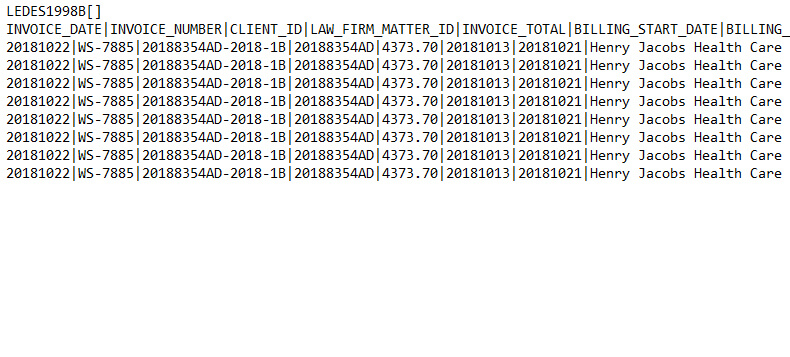
Billing in law firms is a tricky process. Many times, errors happen because of simple mistakes like not tracking time properly, forgetting to add expenses, or not following client billing rules. As technology continues to change, firms now have to deal with new problems, too. E-billing systems, which automatically check invoices before they are sent to clients, mean that any mistakes or missed details can lead to rejected bills.
On top of that, many firms face another issue: underbilling or overbilling. Underbilling means the firm isn’t charging enough for the work done, while overbilling means they are charging too much for something that doesn’t require it. Both of these problems hurt the firm's profits. Some firms even lose up to 20% of their profits because of billing mistakes.
In 2026, it’s clear that improving billing accuracy is not just about avoiding mistakes. It’s about making the whole billing process smarter, faster, and more efficient. A well-organized billing system helps law firms get paid fairly and on time. Let’s explore some strategies that can help your law firm improve its billing practices.
Why Is Automated Time Tracking Important for Law Firms?
Time tracking is the foundation of billing. If a law firm doesn’t track time accurately, it will be impossible to bill correctly. Imagine an attorney forgetting to log time for an important task. This can result in the firm losing out on billable hours. In the past, lawyers had to write down their time manually, and mistakes were common. Sometimes, hours were forgotten or entered incorrectly.
But today, automated time tracking is the solution. Modern legal practice management software tracks time automatically, without any effort from the lawyer. These tools monitor emails, meetings, documents, and calls in real-time, ensuring that every minute of work is logged. This makes sure nothing is missed and that all billable hours are counted.
Automated time tracking doesn’t just prevent errors. Many systems also have dashboards that show time trends. For example, if an attorney is frequently underreporting research time, the system can flag this. This helps firms identify problems before they affect billing. In this way, automated time tracking helps law firms bill more accurately and fairly.
The Importance of Pre-Bill Reviews
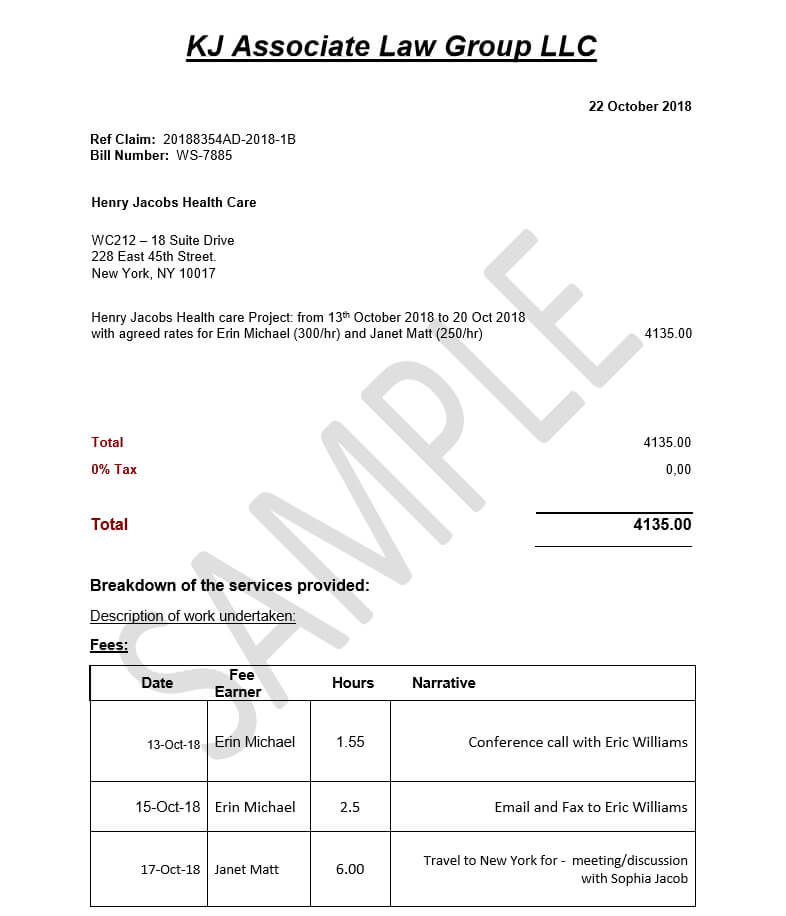
Once time has been tracked, it’s time to prepare the invoice. Before sending the bill to the client, it’s important to review it carefully. This is called a “pre-bill review,” and it’s just as important as proofreading a paper before submitting it. The goal is to make sure everything is accurate, complete, and meets the client’s expectations.
During a pre-bill review, every time entry, expense, and task should be checked. For example, if an attorney spent an hour researching a case, that time should be clearly recorded along with what was done. Any expenses, like court fees or expert witness costs, should also be included. This helps ensure that everything on the bill makes sense and nothing is left out.
Many modern billing systems now automatically highlight possible issues. For example, if a time entry goes above the approved rate or includes an unapproved task, the system can alert the user. Some systems even use artificial intelligence (AI) to check invoices against client-specific billing rules. By using AI in the pre-bill review, law firms can catch mistakes early and prevent problems with clients.
How Clear Client Communication Helps in Billing
One of the most important things law firms can do to improve billing accuracy is to communicate clearly with their clients. The key to a smooth billing process is transparency. When clients understand exactly what they’re being charged for, they are less likely to be confused or dispute the bill.
Law firms can improve communication by using client portals. These online systems let clients see their invoices in detail. They can track the time spent on their case, view a breakdown of charges, and understand any additional costs. This kind of transparency helps build trust and avoids misunderstandings.
Sending automated reminders for upcoming payments is another great way to improve communication. Clients appreciate being reminded before their payment is due. This reduces the chances of late payments. Offering easy electronic payment options can also speed up the process. Some law firms have found that payments come 70% faster when clients can pay online.
How Technology Can Improve Billing Accuracy
Technology plays a major role in making billing more accurate. With the right tools, law firms can automate many parts of the billing process. For example, cloud-based billing platforms allow firms to track work in progress (WIP) in real time. This helps ensure that clients are billed for the right amount of work as the case moves forward.
These platforms also offer valuable insights. Many come with forecasting tools, which allow firms to predict how much a case will cost based on the work already done. This helps set realistic expectations and avoids surprises for clients when they get their final bill.
AI-driven tools are another key technology for improving billing. These tools help detect problems with time entries and check if the invoice follows client guidelines. With AI, law firms can spot errors and address them before the invoice is sent out, making the billing process more accurate and efficient.
Exploring Alternative Fee Arrangements (AFAs)
More and more clients want predictable pricing, and this has led to the rise of Alternative Fee Arrangements (AFAs). These fee structures are different from traditional hourly billing and offer clients more transparency. Some common AFAs include flat fees, contingency fees, and hybrid models, where both flat fees and performance-based fees are combined.
Flat fees, for example, are a simple way to bill clients because they know exactly how much they will pay. This removes the uncertainty and surprises that can come with hourly rates. However, to make sure the firm doesn’t lose money, flat fees require careful tracking of time and expenses.
Hybrid AFAs, which blend flat fees for some tasks and performance-based fees for others, offer even more flexibility. With a hybrid approach, law firms can customize pricing while still ensuring fair compensation for the work done.
To make AFAs successful, law firms need strong systems in place for tracking time and expenses. Without the right tools, billing under an AFA can become confusing and difficult to manage.
Building a Culture of Billing Accuracy
To improve billing accuracy in the long run, law firms need to create a culture of billing precision. This means making sure that everyone, attorneys, paralegals, and support staff, understands the importance of accurate billing.
Firms should regularly train their team on best practices for time entry, billing, and client communication. Regular audits and reviews of profitability reports can help measure how well billing practices are working. Tracking key metrics, like realization rates and collection cycles, helps identify areas for improvement. With this information, law firms can continuously refine their billing practices to improve accuracy and profitability.
Conclusion
In conclusion, accurate billing is vital for law firms in 2026 and beyond. It’s a key part of building strong relationships with clients, improving the firm’s profitability, and ensuring smooth operations. Through the implementation of automated time tracking, pre-bill reviews, and transparent communication with clients, law firms can ensure their billing practices are accurate, efficient, and trustworthy.
If you are a law firm looking to learn more about automated time tracking, bill reviews, or strategies for improving your billing practices, feel free to schedule a call with us today. At Accurate Legal Billing, we specialize in helping law firms streamline their billing processes, improve accuracy, and increase revenue. Let us show you how the right tools and strategies can make a big difference in your firm’s bottom line!
.png)