How Is AI Used in Legal Billing Review Without Replacing Human Expertise?
Artificial intelligence has become a common topic across many industries, and the legal field is no exception. Over the past few years, legal departments, law firms, and legal service providers have increasingly explored how technology can assist with tasks that traditionally required extensive manual work. One area where this shift is clearly visible is legal billing review.
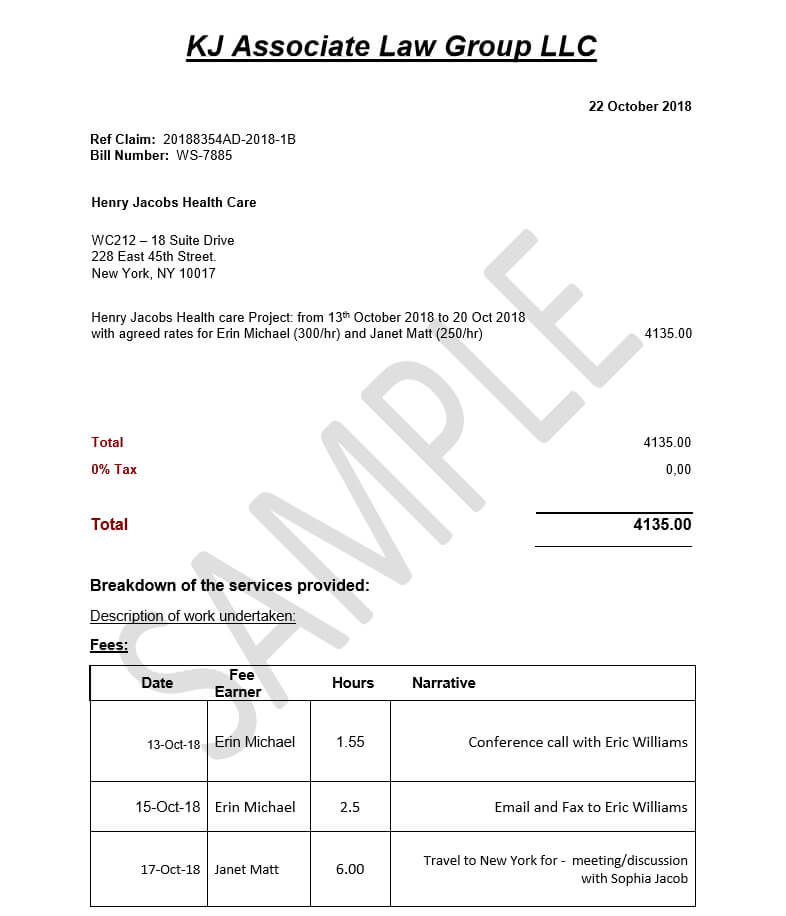
Corporate legal departments receive a large number of invoices from outside counsel. Each invoice may include numerous time entries, different billing rates, and various descriptions of legal work performed. Reviewing this information carefully is important because even small inconsistencies can accumulate into significant costs over time.
Artificial intelligence is now being used to assist in this review process. However, contrary to common fears, the goal is not to replace professionals who review invoices. Instead, AI is being used to support them by identifying patterns, highlighting potential issues, and reducing the time required to analyze large volumes of billing data.
Organizations that specialize in legal invoice review, including Accurate Legal Billing, often emphasize that the most effective systems combine technology with human expertise rather than relying entirely on automation.
Why Has Legal Invoice Review Become More Complex?
Legal billing has grown more complex for several reasons. Companies work with multiple law firms across different practice areas, each with its own billing habits and internal systems. Invoices may include hundreds of line items covering research, meetings, drafting, and administrative work.
Industry research from the Association of Corporate Counsel indicates that outside counsel continues to represent a large share of corporate legal spending. Because so much of the legal budget flows through law firm invoices, organizations must review those invoices carefully to ensure accuracy and fairness.
Another factor is the sheer amount of information contained in legal billing data. A legal department may process thousands of billing entries every month. Manually examining each entry requires time, concentration, and familiarity with billing guidelines. Under pressure, even experienced reviewers may overlook small irregularities.
These conditions make legal billing review a natural area for technology to provide assistance.
What Tasks Can Artificial Intelligence Perform During Invoice Review?
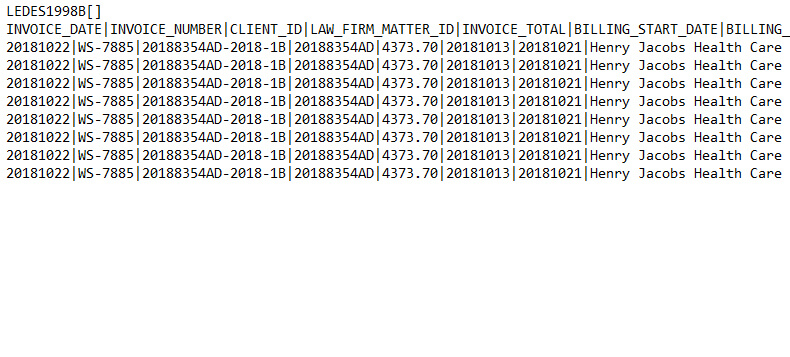
Artificial intelligence is particularly useful when it comes to analyzing large volumes of structured data. Legal invoices contain many repetitive elements, such as hourly rates, task codes, dates, and descriptions of work performed. AI systems can scan these details quickly and identify patterns that may require attention.
For example, AI tools may help identify situations where several tasks are combined into a single billing entry, which can make it difficult to understand how time was actually spent. The system may also recognize when similar descriptions appear repeatedly across invoices or when the same task appears to have been billed more than once.
Another area where AI is helpful involves billing rates. If an invoice includes a rate that differs from what has been agreed upon for a particular timekeeper, the system can highlight that discrepancy immediately. Without automated assistance, such differences might only be discovered after a careful manual comparison.
Artificial intelligence can also analyze historical billing data. By reviewing patterns from past invoices, the system may recognize unusual entries that deviate from typical billing behaviour. This type of analysis helps reviewers focus their attention on entries that deserve closer examination.
How Does AI Help Legal Departments Work More Efficiently?
One of the main benefits of AI in legal billing review is efficiency. Instead of manually searching through hundreds of time entries, reviewers can focus on the entries that the system identifies as potentially problematic.
This approach reduces the time required to review invoices while still maintaining a careful level of oversight. It also allows experienced reviewers to concentrate on judgment-based decisions rather than routine checks.
Research has shown that legal departments are relying more and more on technology and data analysis to manage legal operations. As workloads grow and budgets remain under scrutiny, many organizations see technology as a practical way to maintain accuracy without expanding administrative effort.
AI does not eliminate the need for review, but it helps prioritize where attention should be directed.
Why Can Artificial Intelligence Not Replace Human Reviewers?
Although AI can analyze data quickly, it still lacks the broader understanding that experienced legal professionals bring to the review process. Legal work often involves strategic decisions, unexpected developments, and unique circumstances that cannot always be evaluated through data alone.
For instance, a time entry may appear unusually high when viewed in isolation. However, if the entry relates to an urgent filing or a complex negotiation, the time spent may be entirely justified. Human reviewers are able to interpret these situations by considering the context of the legal matter.
Another limitation involves judgment and fairness. Determining whether a charge is reasonable often requires professional experience and familiarity with the practices of different law firms. Artificial intelligence can highlight patterns, but it cannot fully replace the reasoning process that experienced reviewers apply.
For these reasons, many legal departments see AI as a tool that supports human expertise rather than substitutes for it.
How Do AI and Human Expertise Work Together in Practice?
In most modern legal billing systems, AI functions as an initial screening mechanism. The technology reviews incoming invoices and identifies entries that may require attention. These flagged items are then examined by trained professionals who determine whether adjustments should be made.
This collaborative approach combines the strengths of both sides. Technology provides speed and consistency, while human reviewers contribute judgment and practical understanding.
Organizations that adopt this model often find that the review process becomes both faster and more reliable. Reviewers spend less time searching for issues and more time evaluating the significance of those issues.
Over time, this process can also improve communication between legal departments and outside counsel. When billing concerns are identified quickly and explained clearly, law firms gain a better understanding of client expectations.
How Does AI Help Identify Billing Patterns Over Time?
Another advantage of artificial intelligence is its ability to learn from historical information. When a system processes invoices over an extended period, it begins to recognize patterns in how firms record their work.
For example, the system may observe that certain types of matters consistently involve particular tasks or time ranges. If a new invoice deviates significantly from these patterns, the system can draw attention to the difference.
This type of analysis helps organizations identify trends that may not be obvious during routine review. Legal departments may discover that certain types of work regularly exceed expectations or that particular billing practices occur more frequently than anticipated.
These insights allow organizations to refine billing guidelines and improve their management of outside counsel relationships.
What Benefits Can Legal Departments Expect From AI-Assisted Review?
When implemented carefully, AI-assisted billing review can bring several practical benefits to legal departments.
First, it helps reduce the time required to examine invoices. By organizing and prioritizing information, the system allows reviewers to work more efficiently without sacrificing accuracy.
Second, it improves consistency. Automated checks ensure that billing guidelines are applied in the same way across different matters and firms.
Third, it provides greater visibility into billing behavior. Over time, the data collected through AI-assisted review can reveal patterns that help organizations manage legal spending more effectively.
These improvements do not eliminate the role of experienced professionals. Instead, they enhance their ability to perform their work thoroughly and efficiently.
Why Is the Future of Legal Billing Likely to Combine Technology and Human Judgment?
As legal operations continue to evolve, the most successful organizations are likely to adopt a balanced approach that combines technology with professional expertise. Artificial intelligence will continue to improve in its ability to analyze data and identify patterns. At the same time, legal work will remain complex and context-driven.
Because of this, the most practical solution is collaboration between people and technology. AI can handle repetitive analysis and highlight potential concerns, while human reviewers evaluate those concerns within the broader context of the legal matter.
This partnership allows legal departments to maintain high standards of accuracy while adapting to increasing workloads and financial expectations.
In short, the purpose of AI in legal billing review is not to replace human judgment. But, to strengthen it by providing better information, faster analysis, and clearer insight into how legal services are billed. If you are curious to learn more on this or would like to have consulting services for your firm, do not hesitate to connect with us now.

.png)