Legal Billing Software vs Legal Bill Review Services: All You Need to Know
Billing in law firms is far more than simply recording hours. It is a critical operational function that directly affects revenue, client satisfaction, and the efficiency of staff. Errors in billing, whether caused by human oversight, miscommunication, or inconsistent procedures, can result in delayed payments, disputes, and unnecessary administrative burdens. The complexity of legal billing, combined with the variety of clients and billing arrangements, makes it one of the most challenging aspects of law firm management.
Over the past decade, both law firms and corporate clients have increasingly turned to technology and specialized services to manage these challenges. Two principal approaches have emerged: legal billing software, which helps law firms automate and standardize internal billing processes, and legal bill review services, which provide clients with independent verification and oversight of invoices before payment.
Understanding the differences, applications, and outcomes of these two approaches is essential for legal billing professionals, paralegals, law firm administrators, and corporate legal teams seeking to optimize workflow, minimize disputes, and improve client satisfaction.
Legal Billing Software: Definition, Functionality, and Impact
What is Legal Billing Software?
Legal billing software is a technology platform designed to streamline the internal billing process for law firms. Its primary objective is to reduce administrative effort, improve accuracy, and ensure that invoices adhere to client or industry standards.
What Are the Core Features of Legal Billing Software?
Modern legal billing software offers a wide range of features to support law firm operations:
• Time Tracking: Lawyers and support staff can record billable hours by matter, task, or client. Precise timekeeping ensures that every minute of work is accounted for and reduces the risk of underbilling or missed revenue.
• Invoice Generation: Software automatically formats invoices according to client specifications or industry standards, reducing errors, inconsistencies, and manual formatting work.
• Billing Rules Enforcement: Pre-set rules prevent errors such as disallowed tasks, minimum time increments, and maximum daily billable hours. Firms can enforce consistency across all invoices.
• Integration with Other Systems: Many platforms integrate seamlessly with case management, accounting, and customer relationship management (CRM) software, providing a complete picture of operational and financial metrics.
• Audit Trails: Every entry, adjustment, or deletion is logged, ensuring transparency and accountability, an essential factor for compliance and internal reporting.
How Legal Billing Software Works
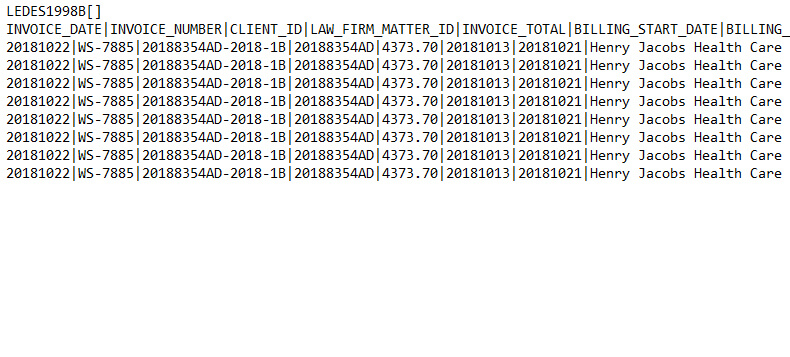
A typical workflow begins with lawyers and paralegals entering their work hours and expenses, either manually or via automated timers. The software aggregates these entries, applies billing rates, calculates totals, and generates invoices formatted to comply with client rules.
For example, if a paralegal logs 1.5 hours reviewing documents and a partner logs 2 hours drafting a motion, the software calculates totals, generates a professional invoice, and applies client-specific rules for rounding or formatting. Advanced platforms can also track non-billable activities, such as administrative meetings or training, helping firm managers allocate resources more effectively.
Moreover, profitability reports can be generated by matter, client, or lawyer, highlighting which cases are most profitable and where adjustments may be necessary. This analytical capability is invaluable for law firm leaders seeking data-driven insights into resource allocation, billing efficiency, and client profitability.
What Are the Benefits of Legal Billing Software?
The following are some of the main benefits of legal billing software:
• Increased Efficiency: Legal billing software automates time tracking, invoice generation, and administrative tasks, saving lawyers and support staff significant time each week. According to the 2022 Legal Trends Report, firms using billing software save an average of 4–6 hours per week per lawyer. In a 10-lawyer firm, this equates to 40–60 hours saved weekly, effectively adding the capacity of more than one full-time employee.
• Improved Invoice Accuracy: Automation reduces human error in calculations, formatting, and adherence to internal billing rules. Firms report up to a 30% improvement in invoice accuracy, minimizing client follow-ups, correcting fewer errors, and reducing the likelihood of disputes over charges.
• Consistent Billing Practices: Billing software enforces standardized templates, billing increments, and task descriptions across the firm, ensuring that all invoices maintain a professional and uniform appearance, which improves client satisfaction and internal consistency.
• Time and Resource Monitoring: Software provides detailed reports on billable hours, task allocation, and non-billable activities, allowing managers to track individual and team performance, identify inefficiencies, and make data-driven decisions on staffing and resource allocation.
• Profitability Insights: By analyzing billing data by client, matter, or attorney, firms can determine which cases or clients are most profitable, optimize pricing strategies, and identify areas where adjustments may improve overall revenue and efficiency.
• Auditability and Compliance Support: Most platforms log every entry, modification, and deletion, creating a transparent audit trail that assists with internal reviews, regulatory compliance, and client inquiries, even though it does not independently verify client-specific rules beyond what is programmed.
• Limitations Awareness: While software increases efficiency and accuracy internally, it cannot detect vague task descriptions, overlapping hours, or potential overbilling without human oversight or external review. It also does not provide independent verification from the client’s perspective, meaning additional checks may be necessary for high-value or complex invoices.
Legal Bill Review Services: Definition, Workflow, and Advantages
What Are the Legal Bill Review Services?
While billing software improves law firm efficiency, legal bill review services focus on client protection. These services audit invoices submitted by law firms to ensure compliance with client-specific billing rules, fairness, and transparency. They are most commonly used by corporate legal departments, insurance companies, and government agencies that receive large volumes of invoices from multiple law firms.
What Are the Core Functions of Bill Review Services?
Bill review services typically offer the following functions:
• Invoice Auditing: Verifying calculations, task descriptions, and adherence to client-specific billing guidelines. This ensures that all entries are accurate, complete, and properly documented.
• Rate Verification: Ensuring billed rates match agreed-upon hourly rates for attorneys, paralegals, and other legal staff, preventing overcharges or rate inconsistencies.
• Compliance Enforcement: Checking invoices against industry standards, contractual obligations, and client-specific billing rules to prevent errors, disallowed charges, or ethical violations.
• Dispute Prevention: Identifying potential errors, vague entries, or overlapping hours and returning invoices to law firms for correction before payment, reducing disputes and delays.
• Expense Review: Examining billed expenses to ensure they are reasonable, necessary, and in line with client reimbursement policies. This includes verifying receipts, travel costs, and third-party fees.
• Task Description Analysis: Evaluating the clarity and specificity of task entries to ensure they accurately reflect the work performed, avoiding vague or non-descriptive billing that could trigger client challenges.
• Duplicate Detection: Identifying duplicate or redundant entries that may have been submitted accidentally, preventing overbilling and ensuring invoice integrity.
• Historical Comparison and Trend Analysis: Comparing current invoices with past billing patterns for the same matter, client, or attorney to detect unusual spikes in hours, rates, or expenses that may require further investigation.
• Reporting and Documentation: Generating detailed reports of audit findings, adjustments, and approvals, creating an auditable trail that supports internal controls, regulatory compliance, and dispute resolution.
• Client-Specific Rule Implementation: Applying custom rules set by clients, such as maximum daily billable hours, disallowed activities, or minimum time increments, to ensure strict adherence to contractual agreements.
• Quality Assurance: Conducting final checks on invoices to confirm that all adjustments, corrections, and approvals have been applied consistently, ensuring that the invoice submitted for payment is accurate and compliant.
How Bill Review Services Operate
Upon submission, invoices are meticulously examined by billing specialists or automated systems designed for review. For instance, a review might flag:
• A 2-hour entry labeled “Reviewed case documents” as too vague
• A 1.5-hour entry for “Correspondence with client” that overlaps with other billed tasks
The reviewer either approves the invoice, suggests adjustments, or returns it for clarification. This ensures that invoices are accurate, fair, and comply with client standards.
What Are the Benefits of Bill Review Services?
Legal bill review services provide significant advantages for clients. Some of the main benefits of bill review services are:
• Reduction in Rejected Invoices: Organisations using professional bill review services report a 20–25% decrease in invoice rejections. This ensures that fewer invoices are sent back for corrections, streamlining the payment process and reducing delays.
• Faster Payment Cycles: By catching errors and inconsistencies before invoices are submitted for payment, bill review services help accelerate the approval process, enabling clients to pay valid invoices more quickly and maintain stronger financial control.
• Decreased Administrative Burden: Bill review services minimize the time and effort internal teams spend reviewing, correcting, and disputing invoices. This allows finance, legal, and administrative staff to focus on higher-value tasks rather than repetitive auditing.
• Cost Savings: For organizations processing hundreds of invoices monthly, early detection of billing errors can prevent overpayments and recover potential savings, which can amount to tens of thousands of dollars annually.
• Independent Oversight: Bill review provides an objective, third-party evaluation of invoices, which enhances accountability and ensures that billed hours, expenses, and tasks are accurate and justified.
• Improved Compliance: Professional bill review ensures that invoices conform to client-specific guidelines, contractual agreements, and industry standards, reducing the risk of non-compliance or contractual disputes.
• Strengthened Client-Law Firm Relationships: By identifying and resolving potential issues before payment, bill review services foster transparency and trust between clients and law firms, promoting long-term professional relationships.
• Better Audit Trails: Detailed documentation of reviewed and adjusted invoices creates an auditable record that supports internal reporting, regulatory compliance, and any future reviews or disputes.
Limitations of Bill Review Services
Bill review services do not reduce the internal billing workload for law firms. Law firms must still accurately record hours, tasks, and expenses. Also, review services incur costs, making them more suitable for organizations with high invoice volumes or complex billing rules.
Comparing Legal Billing Software and Bill Review Services
Understanding the differences between these two approaches is critical for both law firms and clients.
Purpose and Users
• Legal Billing Software: Used by law firm staff to automate billing, enforce internal rules, and improve efficiency.
• Legal Bill Review Services: Used by clients or third-party reviewers to ensure invoices are compliant, fair, and error-free.
Objectives and Outcomes
• Legal Billing Software: Focuses on internal accuracy, speed, and reporting.
• Legal Bill Review Services: Focuses on external verification, compliance, and dispute prevention.
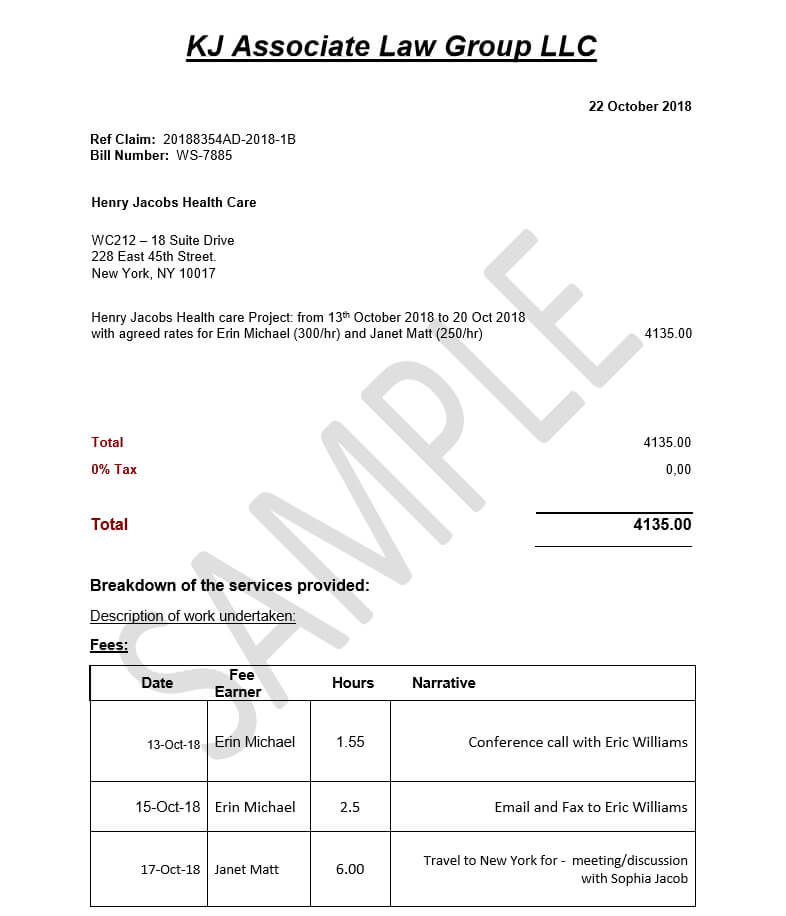
For example, a law firm may generate a technically perfect invoice using billing software, but a client’s bill review service could flag vague task descriptions or excessive hours, ensuring compliance with their standards.
| Feature/Aspect | Legal Billing Software | Legal Bill Review Services |
| Purpose | Internal efficiency and accuracy | Client verification and compliance |
| Primary Users | Law firm staff (lawyers, paralegals) | Client staff or third-party reviewers |
| Objective | Produce invoices efficiently | Ensure invoices comply with rules |
| Focus | Reducing errors, tracking time | Compliance, dispute prevention |
| Integration | Case management, accounting, CRM | Typically, standalone reviewing of invoices |
| Outcome Example | Invoice generated efficiently and professionally | Invoice audited, adjusted, and approved or returned |
What Are the Practical Applications and When to Use Each
When Law Firms Benefit from Billing Software
Billing software is most beneficial for law firms seeking to:
• Reduce administrative workload
• Maintain consistent invoice formatting
• Track time allocation for performance and profitability
For example, a five-lawyer firm might spend 20 hours per week manually preparing invoices. Billing software could reduce this to 5–6 hours weekly, freeing valuable time for billable work and improving efficiency.
Also, firms using billing software report up to 30% improved invoice accuracy, minimizing disputes and client follow-ups. Software also enables detailed internal reporting on matter profitability, time allocation, and resource utilization, critical for strategic decision-making.
When Clients Benefit from Bill Review Services
Clients with multiple law firms, high invoice volumes, or complex billing rules gain the most from bill review services. These services prevent disputes, enforce compliance, and reduce internal administrative workload.
For instance, a corporate client processing 500 invoices monthly might face $50,000–$100,000 in potential rejected or disputed payments without a review process. Using bill review services reduces rejected invoices by 20–25% and decreases the internal workload related to invoice review by 15–20%.
How Both Approaches Work Together
The most effective strategy often combines both methods:
• Law firms use billing software to produce accurate invoices.
• Clients employ bill review services for independent oversight.
For example, a firm submits a 12-hour invoice for multiple tasks. The client’s review service identifies vague descriptions or excessive hours, adjusts them, and approves the invoice. This approach reduces disputes, ensures compliance, and increases realized revenue. Firms using both methods report up to 25% fewer disputes and measurable improvements in workflow efficiency.
Conclusion
Legal billing software and legal bill review services serve distinct but complementary purposes.
• Software focuses on internal law firm efficiency, accuracy, and time management.
• Review services provide independent verification, compliance assurance, and dispute reduction for clients.
Firms and clients that adopt both methods experience the highest level of efficiency, accuracy, and trust in the billing process. By understanding the strengths, limitations, and practical applications of each approach, legal billing professionals can make strategic decisions that reduce errors, improve client satisfaction, and ensure consistent cash flow.
Integrating these tools thoughtfully into law firm operations and client workflows allows both sides to save time, prevent disputes, and optimize the legal billing process.

.png)