Why Law Firms Struggle with Billing Delays and How to Solve Them
Billing delays are a common problem in law firms, regardless of their size. A case may be completed, legal advice may be delivered, and documents may be finalized, but the invoice often takes much longer to reach the client. What appears to be a small delay can quickly turn into a larger issue when it becomes a regular part of the firm's workflow.
When invoices are not sent on time, payments are delayed as well. This affects cash flow, creates extra work for staff, and can even lead to client disputes. Understanding why billing delays happen is the first step toward fixing them.
• Time Entries Are Not Recorded on Time
One of the biggest reasons for billing delays is late time tracking.
Lawyers handle multiple tasks throughout the day, including client calls, meetings, legal research, drafting documents, and court appearances. In the middle of a busy schedule, recording billable time often gets pushed aside.
The problem starts when lawyers try to remember their work later. Time entries become incomplete, details get missed, and billing teams are left waiting for information before they can prepare invoices.
Even a few days of delay in entering time can slow down the entire billing process.
• Too Much Manual Work
Many law firms still depend on spreadsheets, paper notes, emails, and manual calculations for billing.
This means staff must collect information from different places, verify it, calculate charges, and prepare invoices manually. The more manual steps involved, the more time the process takes.
Manual systems also increase the chances of mistakes. Missing information, duplicate entries, and calculation errors often lead to further delays.
As the number of clients and matters grows, these problems become even more noticeable.
• Slow Approval Processes
Before invoices are sent, they usually go through reviews and approvals.
Partners may want to check time entries, revise descriptions, adjust fees, or review write-offs. While this helps maintain accuracy, it can also slow things down.
In many firms, invoices sit waiting for approval while attorneys focus on other priorities. Days or even weeks can pass before someone reviews them.
As a result, completed work remains unbilled even though the legal matter may already be finished.
• Poor Communication Between Teams
Billing is rarely handled by one person alone.
Lawyers, billing staff, accountants, and administrative teams all contribute to the process. When communication between these groups is weak, delays are almost unavoidable.
For example, billing staff may be waiting for missing time entries, while lawyers assume everything has already been submitted. Important details may get lost, questions remain unanswered, and invoices are held back until the missing information is found.
Small communication gaps can quickly become major bottlenecks.
• Client Billing Rules Cause Delays
Many corporate clients have strict billing requirements.
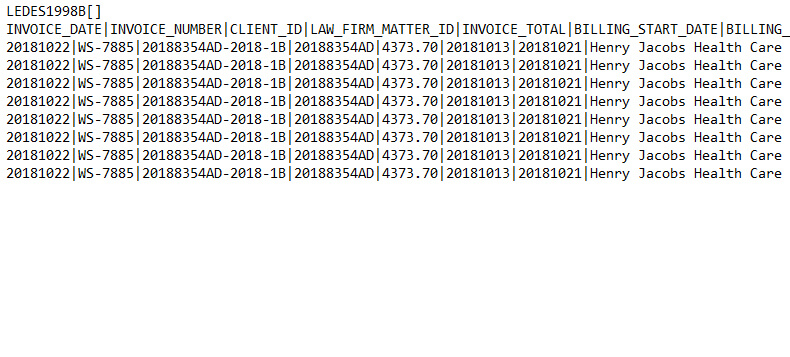
They may require specific invoice formats, billing codes, expense descriptions, or electronic submission methods. If these rules are not followed correctly, invoices can be rejected.
When an invoice is returned for corrections, the billing process starts over. This not only delays payment but also creates extra administrative work.
For firms handling multiple corporate clients, keeping track of different billing requirements can be challenging.
• Billing Is Often Treated as a Low Priority
Most lawyers enter the profession to practice law, not to manage invoices.
As a result, billing tasks are often pushed behind client work, court deadlines, and ongoing matters. While this is understandable, it creates a cycle where billing is always postponed until there is spare time.
The issue is that delayed billing means delayed revenue. The firm may have completed the work, but it cannot collect payment until the invoice is sent.
When billing constantly takes a back seat, cash flow problems usually follow.
The Financial Impact of Billing Delays
The impact of billing delays extends beyond slower payments. Delayed invoices often result in reduced cash flow, higher collection efforts, increased administrative costs, and greater financial uncertainty.
For smaller and mid-sized firms, even a few weeks of delay can create challenges when covering salaries, office expenses, technology costs, and other operational obligations. The longer revenue remains uncollected, the more pressure it places on the business. This is the reason why billing efficiency should be viewed as a financial strategy rather than simply an administrative task.
Why Clients Dislike Delayed Invoices
Clients generally prefer receiving invoices while the work is still fresh in their minds.
If a bill arrives several months after a matter was completed, clients may struggle to remember what was done and why certain charges appear on the invoice.
This often leads to questions, requests for clarification, and payment delays. In some cases, it can even affect the client's trust in the firm.
Timely billing creates fewer surprises and makes the payment process much smoother.
Conclusion
Billing delays are rarely caused by a single problem. They are usually the result of several issues working together, including late time entries, manual processes, slow approvals, communication gaps, and complex client requirements.
While these challenges are common, they can have a significant impact on a law firm's finances and day-to-day operations. Every delayed invoice represents money that the firm has earned but has not yet collected.
For that reason, billing should not be viewed as just another administrative task. It is an essential part of running a successful law firm. Firms that keep billing organized, timely, and consistent are generally in a stronger position to maintain healthy cash flow, reduce administrative headaches, and provide a better experience for their clients.

.png)