Common Legal Billing Errors That Increase Legal Spend
Legal invoices are an important part of managing a company’s legal spend. Every law firm sends invoices, and legal departments review them to ensure accuracy. However, mistakes happen, and small errors can quickly add up to large unnecessary costs. Understanding common legal billing errors helps companies prevent overpayments and manage legal expenses more efficiently.
What is a Legal Billing Error?
A legal billing error occurs when a law firm charges incorrectly on an invoice. Errors can be intentional or accidental, but either way, they increase costs. Legal billing errors can appear in many forms, such as incorrect rates, duplicate charges, or disallowed expenses.
Even small mistakes, like charging for a 0.5-hour task that only took 0.2 hours, can add up over multiple invoices. Companies that review invoices carefully can save significant money each year.
What Are the Most Common Legal Billing Errors?
Let’s take a quick look at some of the most common legal billing errors:
1. Overbilling for Hours
One of the most common errors is overbilling for hours. This happens when a lawyer bills more time than they actually worked. For example, billing 2 hours for a task that took 1 hour. Overbilling can occur unintentionally if lawyers round up or forget to track the exact time.
Even small overbilling errors, when repeated over many invoices, can add thousands of dollars to a company’s legal spend.
2. Block Billing
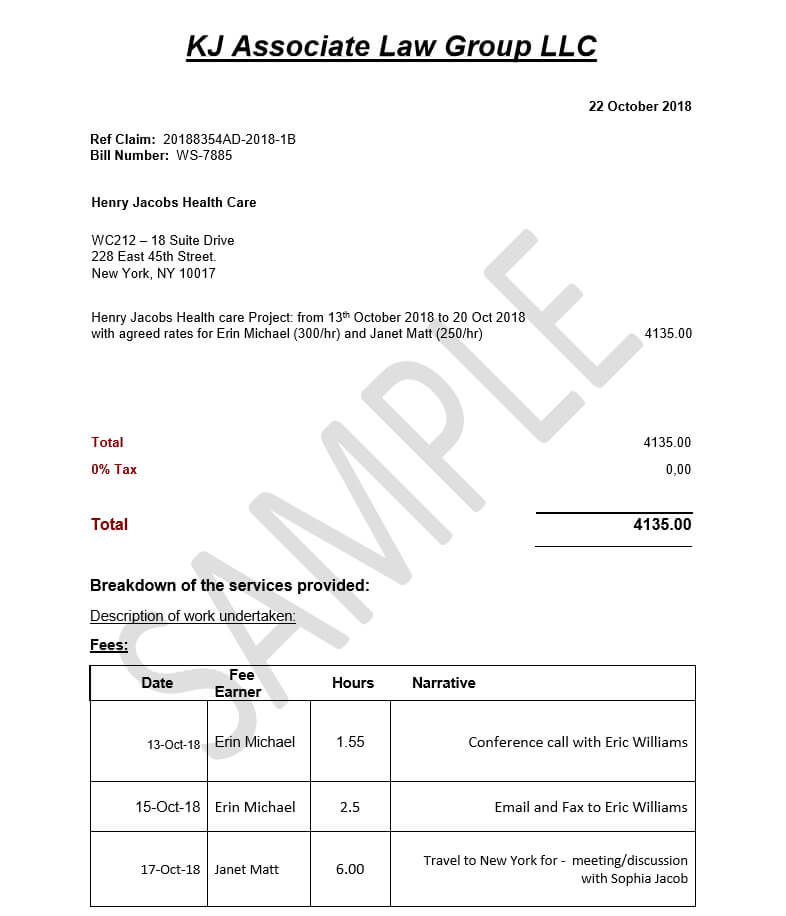
Block billing happens when a lawyer combines multiple tasks into a single time entry. For example, “Reviewed documents and drafted emails – 3 hours.” The problem with block billing is that it makes it difficult to see exactly how much time each task took.
Companies may end up paying for tasks that took less time than billed or for tasks that were not necessary. Many billing guidelines require breaking tasks into separate entries to avoid block billing issues.
3. Duplicate Billing
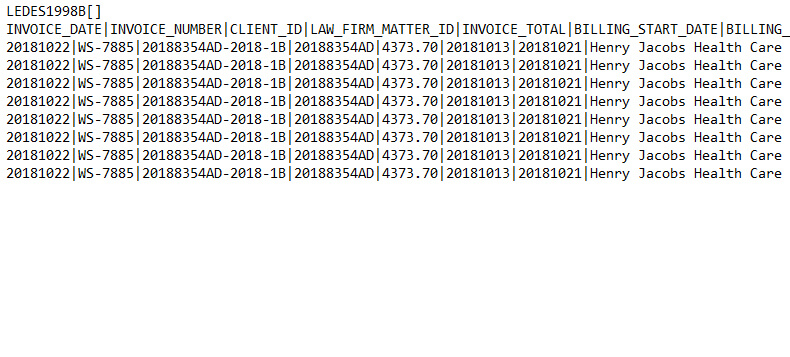
Duplicate billing occurs when a lawyer bills the same task more than once. This often happens when multiple lawyers work on a project or when invoices are submitted multiple times by mistake.
Duplicate billing is a simple error, but it can be costly. Careful review and proper billing systems can catch duplicates before payment.
4. Billing for Disallowed Expenses
Law firms may include expenses that the company does not allow. Examples include meals, personal travel, or unapproved administrative costs.
Disallowed expenses increase legal spend unnecessarily. Companies should clearly define which expenses are reimbursable and review invoices carefully to ensure compliance.
5. Incorrect Billing Rates
Another common error is charging the wrong billing rate. A senior lawyer may be billed at a junior lawyer’s rate or vice versa. Some law firms may also mistakenly apply outdated rates.
Checking that the rates match the agreed contract is essential to avoid overpayment.
6. Time Entry Errors
Simple mistakes in time entry can also increase costs. Examples include:
• Recording time for a task that was not performed
• Using incorrect dates for tasks
• Rounding hours incorrectly
• Mislabeling tasks or clients
Even small mistakes like these can add up over multiple invoices and increase overall legal spend.
7. Missing or Incomplete Documentation
Invoices sometimes lack sufficient detail to explain the work done. For example, an entry might say, “Reviewed documents – 2 hours,” without stating which documents or what purpose.
Incomplete documentation makes it hard to determine if the time was reasonable. Companies may pay for unclear work if they do not verify details.
8. Administrative or Non-Billable Tasks
Lawyers may occasionally bill for tasks that are non-billable, like internal meetings, office organization, or training. While some of these costs may be necessary, billing for routine administrative tasks increases spend unnecessarily.
Legal departments should ensure that invoices only include tasks agreed as billable in the contract.
How These Errors Increase Legal Spend
Even small errors on individual invoices can grow into significant costs when multiplied across multiple invoices, law firms, and months. Some common legal billing errors can:
• Increase overall legal expenses without adding value
• Make budgeting for legal costs less predictable
• Lead to overpayment for work that was not necessary or properly documented
Using a careful review process, whether rules-based or AI-assisted, can catch these errors before payment and save companies considerable money.
How to Prevent Common Legal Billing Errors
We discussed how these billing errors can add to the legal spends. Now let’s take a look at some strategies we can try to prevent these errors:
1. Set Clear Billing Guidelines: Companies should create clear rules for allowable hours, tasks, rates, and expenses. Sharing these guidelines with law firms reduces errors.
2. Review Invoices Carefully: Every invoice should be checked for errors, duplicate charges, disallowed expenses, and accurate rates.
3. Use Automated Billing Review Systems: Rules-based or AI-based systems can help identify overbilling, duplicate entries, and other common mistakes.
4. Train Staff and Lawyers: Educating both internal teams and outside counsel about billing policies can prevent errors from occurring in the first place.
5. Track and Report Errors : Keep records of common billing errors and address recurring problems with law firms to improve long-term compliance.
Conclusion
Common legal billing errors like overbilling, block billing, duplicate charges, disallowed expenses, incorrect rates, and incomplete documentation can significantly increase legal spend. Companies that proactively check invoices and use proper billing review systems can prevent overpayments, improve budgeting, and save money.
Understanding these common errors and putting systems in place to catch them ensures that companies pay only for the work that was done, at the correct rate, and in compliance with their policies.

.png)